
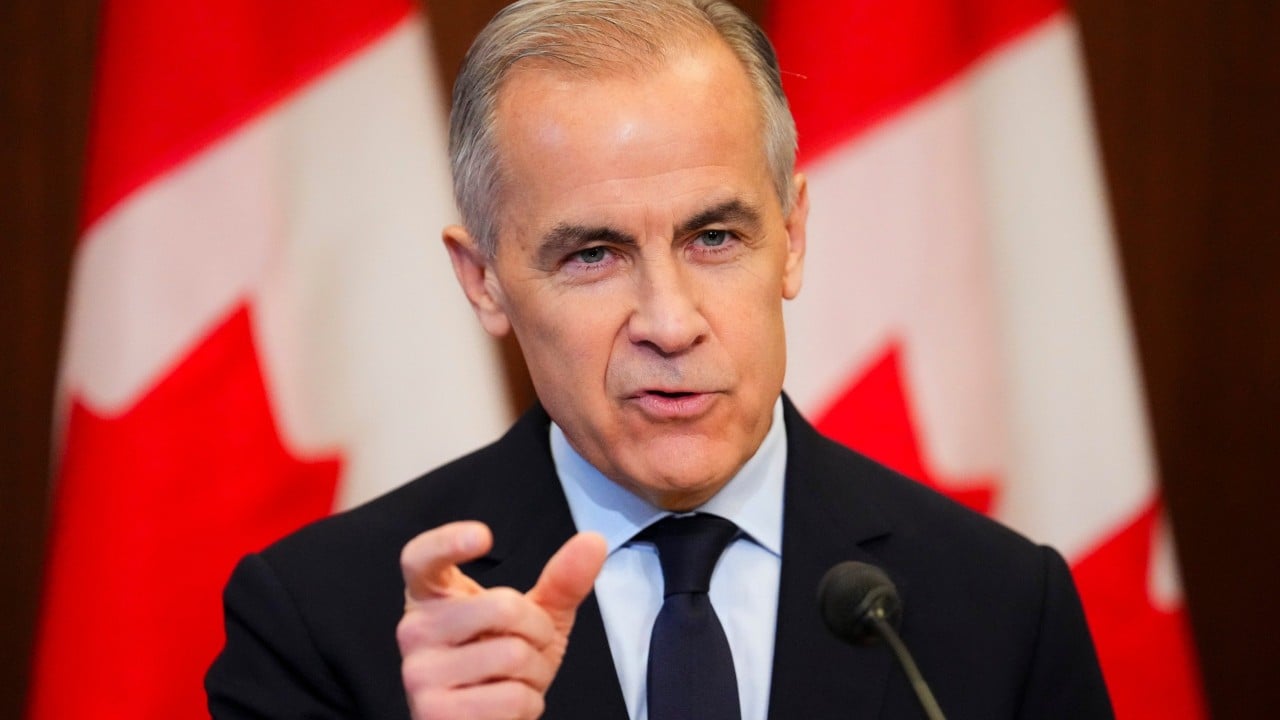
Canada takes key step towards new oil pipeline to serve Asia markets
Coveragetap to expand ▾Spectrum: Left Only🌍Asia: 2
- Expanding overseas energy exports has emerged as a key part of Carney’s strategy to reduce Canada’s economic reliance on the US, but plans for a new pipeline are facing stiff resistance over environmental concerns.
- Prime Minister Mark Carney and the leader of Canada’s oil-rich Alberta province took a major step on Friday towards building an oil pipeline that could substantially increase crude exports to Asia.
In recent years, a notable shift has occurred among rural Australians, many of whom once felt blessed by their lifestyle but are now increasingly aligning with Pauline Hanson's political movement. This transformation is rooted in a growing discontent with urban elites and a desire to reclaim the values associated with rural life.
Historically, rural Australians viewed city dwellers with a mix of pity and envy, often feeling superior due to their self-sufficient lifestyles powered by diesel generators and limited electricity. Travel to urban centers was facilitated by local train services, allowing for a connection that many now feel has been severed by the urban-centric policies of the government.
Economic factors, such as fluctuating cattle and wool prices, have also played a role in shaping these sentiments, as rural communities grapple with the impacts of market changes. The narrative of feeling overlooked by city elites resonates deeply within these communities, fostering a sense of solidarity that has propelled support for Hanson's movement.
As rural Australians navigate these challenges, the cultural divide between urban and rural populations continues to widen, prompting questions about the future of Australian politics and the representation of rural interests.
- The proposed oil pipeline is crucial for Canada as it seeks to diversify its energy exports and reduce economic dependence on the U.S.
- By increasing crude exports to Asia, this initiative could bolster Alberta's economy, providing jobs and revenue for local communities that rely on the oil industry.
- However, the project faces significant opposition from environmental groups and Indigenous communities, who argue that it poses risks to local ecosystems and their livelihoods, highlighting a growing tension between economic development and environmental stewardship.
- Watch for a statement from the Canadian government regarding the final approval of the pipeline project, expected within the next 30 days.
- Anticipate a response from environmental advocacy groups, likely to issue a public statement or organize protests within the next week.
- Keep an eye on major Asian energy companies, as they may announce new partnerships or investment commitments related to the pipeline within the next quarter.
- Look for updates from the Canadian oil industry, particularly from major players like Suncor and Cenovus, who may provide insights during their upcoming earnings calls in the next two weeks.
- Monitor the Asian market reaction, particularly from Japan and South Korea, as they may finalize import agreements contingent on the pipeline's progress within the next month.