
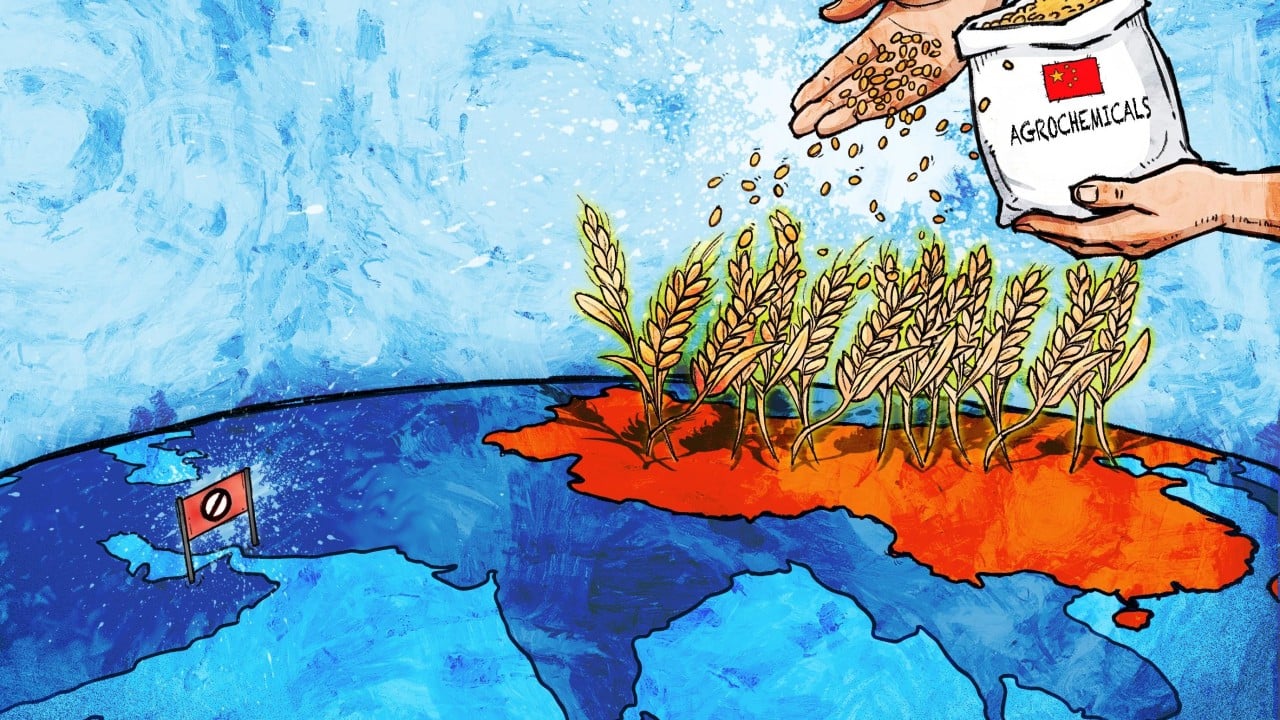
How the Middle East crisis is expanding China’s agrochemical influence
Coveragetap to expand ▾Spectrum: Mixed🌍Asia: 2
- The ongoing Middle East conflict has led to blockades of the Strait of Hormuz, affecting global fertilizer shipments (per scmp.com).
- The Ministry of Agriculture and Rural Affairs in China confirmed the stability of chemical fertilizer supply for domestic use (per scmp.com).
However, China, which accounts for approximately one-third of global fertilizer production and 70% of the raw materials for chemical pesticides, is experiencing a contrasting scenario. Chinese farmers are reportedly continuing their spring ploughing activities without significant concern, thanks to the country's robust agrochemical production capabilities.
China's ability to maintain a steady supply of chemical fertilizers domestically, despite the global turmoil, underscores its growing influence in the agrochemical market. Analysts suggest that China's production prowess is providing it with a strategic advantage, allowing it to exert greater influence in the global market during this period of instability.
The Ministry of Agriculture and Rural Affairs in China has assured that the supply of chemical fertilizers for spring ploughing is ample, reflecting the country's preparedness and resilience in the face of international supply chain disruptions.
This stability contrasts sharply with the challenges faced by farmers in other parts of the world, who are grappling with the uncertainties brought about by the Middle East conflict. The situation highlights the strategic importance of China's agrochemical industry in the current geopolitical climate.
As the Middle East conflict continues to impact global supply chains, China's ability to sustain its agricultural sector without disruption positions it as a key player in the global agrochemical market.
While the conflict in the Middle East has created challenges for many, China's position as a major producer of fertilizers and chemical pesticides allows it to navigate these challenges more effectively.
This development not only reinforces China's role in the global agrochemical industry but also underscores the broader geopolitical shifts occurring as a result of the Middle East crisis.
- Farmers worldwide face uncertainty due to disrupted fertilizer shipments, impacting crop production and food security.
- China benefits from its robust agrochemical production, maintaining domestic agricultural stability and increasing its global market influence.
- The Middle East conflict's impact on global supply chains highlights the strategic importance of China's agrochemical industry.
- Whether the Middle East conflict further escalates, affecting more global supply chains.
- China's potential moves to expand its influence in the global agrochemical market amid ongoing disruptions.
- The response of other major fertilizer-producing countries to the current supply chain challenges.
- No source mentions the specific impact on Middle Eastern farmers or the broader geopolitical implications of China's increased influence.
- The economic interests of other major fertilizer-producing countries in response to China's growing market influence are not discussed.