
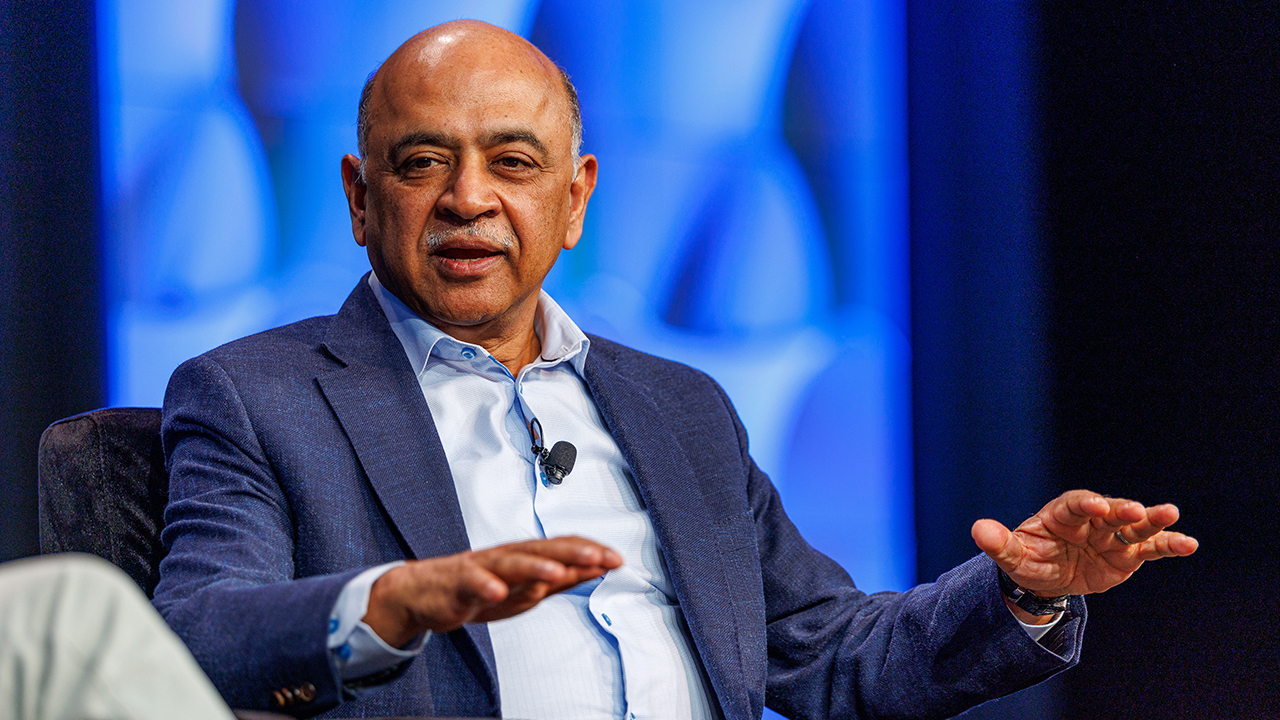
IBM's Arvind Krishna Urges Balanced AI Regulation to Maintain US Competitiveness
Coveragetap to expand ▾Spectrum: Right Only🌍Other: 1
- Krishna warns that excessive regulation could allow global competitors to surpass the US in AI development (per foxbusiness.com).
- He acknowledges the necessity of 'guardrails' for AI but cautions against overregulation that could stifle innovation (per foxbusiness.com).
- The US government's approach to AI regulation is under scrutiny as it seeks to balance innovation with ethical and security concerns (per foxbusiness.com).
IBM CEO Arvind Krishna has issued a warning to Washington about the potential dangers of overregulating artificial intelligence (AI) in the United States. Speaking on 'The Claman Countdown,' Krishna emphasized the importance of finding a 'Goldilocks' middle ground in AI regulation, where oversight is neither too stringent nor too lax.
He argues that while regulatory 'guardrails' are necessary to ensure ethical and secure AI development, excessive government intervention could stifle innovation and allow global competitors to gain an advantage.
Krishna's comments come at a time when the US is grappling with how to effectively regulate AI technologies without hindering the country's competitive edge in the global market. The tech industry is particularly concerned about maintaining leadership in AI, as other nations, particularly China, are making significant strides in the field.
Krishna's call for balanced regulation reflects a broader industry sentiment that seeks to protect innovation while addressing ethical and security concerns associated with AI. The debate over AI regulation in the US is part of a larger conversation about how to manage emerging technologies that have the potential to transform industries and societies.
Policymakers are tasked with creating a regulatory framework that fosters innovation while safeguarding public interests. This challenge is compounded by the rapid pace of technological advancement, which often outstrips the ability of regulatory bodies to keep up.
Krishna's advocacy for a balanced approach highlights the delicate balance that regulators must strike to ensure that the US remains a leader in AI development. His remarks underscore the need for a nuanced understanding of the implications of AI technologies and the importance of crafting policies that support both innovation and ethical standards.
As the US government continues to deliberate on AI regulation, industry leaders like Krishna are likely to play a crucial role in shaping the conversation. Their insights and expertise can help inform policy decisions that will determine the future trajectory of AI development in the country.
The outcome of this regulatory debate will have significant implications for the US tech industry and its ability to compete on the global stage. Ensuring that the US maintains its competitive edge in AI will require careful consideration of the regulatory environment and its impact on innovation and economic growth.
- US tech companies could face competitive disadvantages if AI regulations are too stringent, potentially losing market share to global competitors.
- Excessive regulation could stifle innovation within the US, impacting economic growth and technological advancement.
- A balanced regulatory approach could ensure ethical AI development while maintaining the US's leadership position in the global AI race.
- Whether US policymakers adopt a balanced approach to AI regulation as advocated by industry leaders like Arvind Krishna.
- The impact of potential AI regulations on the US tech industry's global competitiveness.
- Developments in AI regulation in other countries, particularly China, and how they influence US policy decisions.
- Fox Business emphasizes the risk of losing competitive edge due to overregulation, while other outlets might focus on ethical concerns.
- No disputes or unclear facts were noted in the source.
- No source mentions specific examples of countries that have surpassed the US in AI due to regulatory differences.
- No specific numbers were provided regarding the impact of regulation on competitiveness.
- No causality disputes were noted in the source.
- Fox Business attributes the call for balanced regulation directly to Arvind Krishna.