
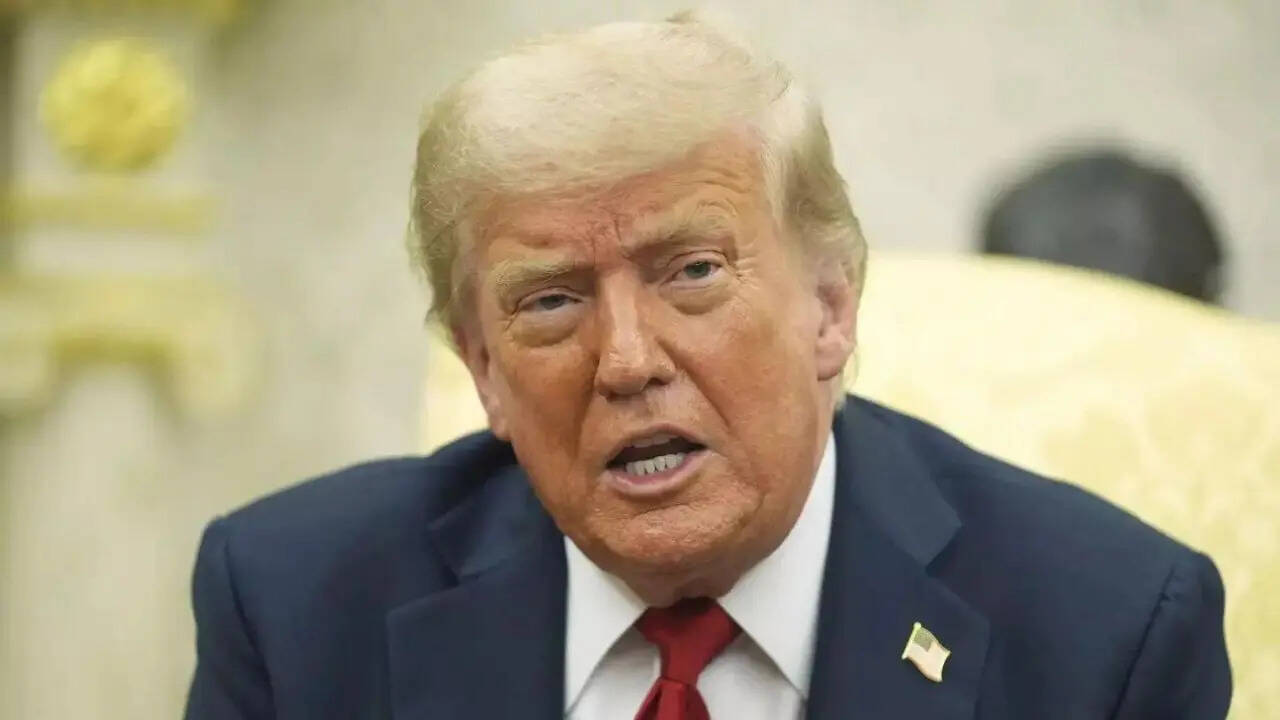
Trump Critiques Netanyahu, Warns of Iran's Nuclear Threat
Coveragetap to expand ▾Spectrum: Mostly Center🌍Asia: 3 · ME: 2 · Other: 1
- Former President Donald Trump criticized Israeli Prime Minister Benjamin Netanyahu, describing him as a 'difficult guy' during a speech on October 15, 2026.
- Trump warned that if Iran were to acquire a nuclear weapon, it would pose a grave threat to the United States and its allies.
- The military conflict between the U.S. and Israel against Iran escalated in March 2026, following coordinated strikes targeting Iranian military infrastructure.
- Since March 2026, the U.S. and Israel have conducted over 50 airstrikes against Iranian military sites, including air defenses and power plants.
- Iran has responded to these military actions with missile strikes against U.S. bases in Iraq, claiming they are retaliatory measures.
- The ongoing conflict has resulted in over 1,000 casualties, including military personnel and civilians, since the escalation began.
- Netanyahu's leadership has faced criticism from former Israeli Prime Minister Naftali Bennett, who claims he is the 'only one' capable of defeating Netanyahu in upcoming elections.
In a recent statement, Donald Trump criticized Israeli Prime Minister Benjamin Netanyahu, labeling him a 'difficult guy' and suggesting that Netanyahu should express gratitude for Trump's previous efforts to thwart Iran's nuclear program.
Trump's comments come at a time of heightened tensions in the Middle East, particularly following the coordinated military strikes by the U.S. and Israel against Iran in early March 2026. The former president's remarks underscore the ongoing concerns regarding Iran's nuclear program, which remains a significant issue in U.S. foreign policy.
While Trump has positioned himself as a staunch ally of Israel, his critique of Netanyahu reflects the complexities of their relationship, especially as Netanyahu's government faces scrutiny over its diplomatic strategies.
The backdrop of military actions in the region adds urgency to discussions about Iran's nuclear capabilities, which many in the U.S. and Israel view as a direct threat. As the situation evolves, the implications of Trump's statements may influence both U.S.-Israel relations and the broader geopolitical landscape in the Middle East.
- Trump's critique of Netanyahu and his warnings about Iran's nuclear ambitions underscore the precarious security situation for Israel and its allies in the region.
- As tensions escalate, Israeli citizens face increased threats from Iranian military capabilities, potentially leading to more frequent and intense military engagements.
- Additionally, the political landscape in Israel could shift if Netanyahu's leadership is challenged, impacting defense policies and alliances that directly affect the safety and economic stability of the Israeli populace.
- If Iran were to advance its nuclear program unchecked, it could provoke a regional arms race, further destabilizing the already volatile Asia-Pacific region.
- Watch for a potential response from Israeli Prime Minister Netanyahu regarding Trump's critiques, expected within the next 48 hours as he addresses the media.
- Monitor the upcoming meeting of the International Atomic Energy Agency (IAEA) scheduled for next week, where discussions on Iran's nuclear activities are likely to be a key agenda item.
- Anticipate a statement from the U.S. State Department on its stance towards Iran's nuclear program, expected within the next 72 hours as officials assess Trump's remarks.
- Keep an eye on the upcoming defense consultations between the U.S. and its allies in the Asia Pacific region, set for later this month, which may address security concerns related to Iran.
- Look for reactions from key Asian allies, such as Japan and South Korea, regarding their defense strategies in light of Trump's warnings, likely to emerge before the end of the week.
Left- and right-leaning outlets are covering this story differently — in which facts to emphasize, which context to include, and how to frame causes and consequences.