
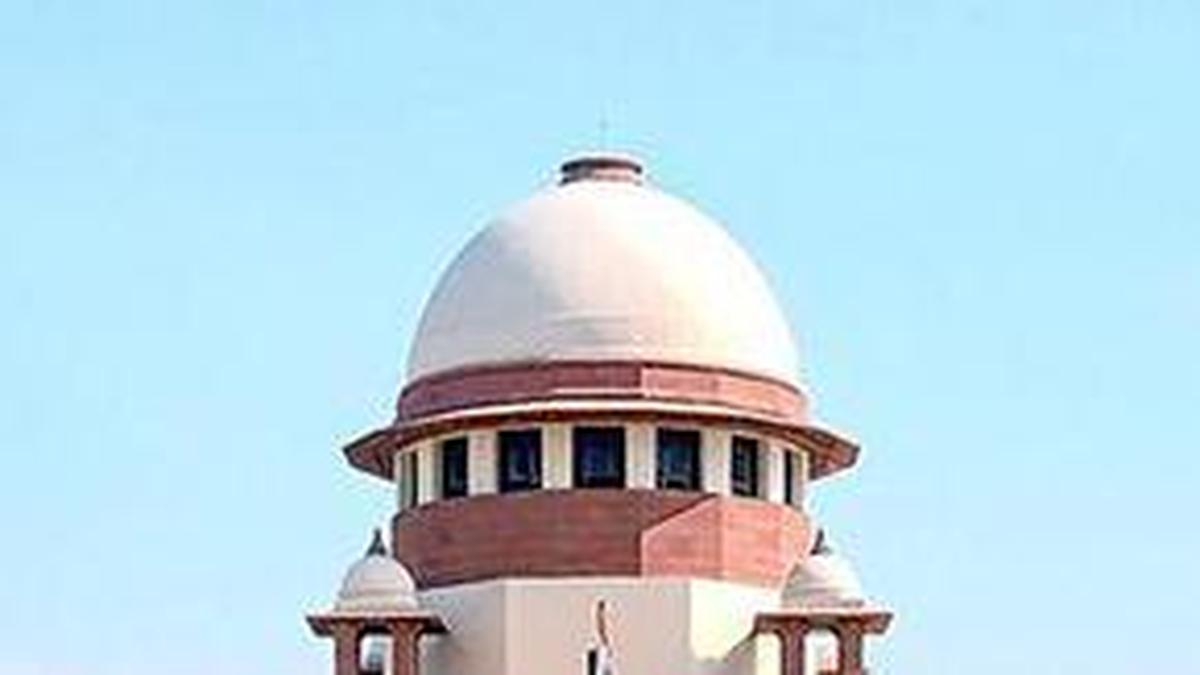
Centre tells Supreme Court it will bring back persons allegedly ‘pushed’ to Bangladesh
Topic: politicsRegion: North AmericaUpdated: i2 outletsSources: 3Spectrum: Center OnlyFiltered: Asia (1/3)· Clear⏱ 3 min read⚠ 3d+ old
Story Summary
SITUATION
The Indian government informed the Supreme Court that it will repatriate individuals allegedly deported to Bangladesh to verify their citizenship claims. This announcement follows ongoing legal challenges regarding the citizenship status of these individuals (per thehindu.com, news.google.com).
Coveragetap to expand ▾Spectrum: Center Only🌍Other: 2 · Asia: 1
Political Spectrum
Position is inferred from coverage mix.
i2 outlets · Center
Left
Center
Right
Left: 0
Center: 3
Right: 0
Geography Coverage
Distribution of where coverage is coming from.
i2 unique outlets · Dominant: Global
KEY FACTS
- Centre Tells Supreme Court It Will Bring Back Persons Deported To Bangladesh To Verify Citizenship Claims
HISTORICAL CONTEXT
In recent months, the Indian government has faced increasing scrutiny regarding its treatment of individuals allegedly deported to Bangladesh.
This issue came to a head during proceedings in the Supreme Court, where the Centre announced its commitment to repatriate these individuals, raising significant legal and humanitarian questions about border policies and the status of migrants.
Brief
The Indian government has announced plans to repatriate individuals who were allegedly deported to Bangladesh, a move that has been communicated to the Supreme Court of India. This decision comes as part of ongoing legal challenges regarding the citizenship status of these individuals, with the government aiming to verify their claims of citizenship.
The Supreme Court's involvement highlights the legal complexities surrounding India's citizenship laws, which have faced increased scrutiny in recent years. The repatriation is seen as a response to public concerns about the treatment of individuals under these laws.
While the government has not provided a specific timeline for the repatriation process, it is expected to unfold in the coming months. This situation reflects broader societal debates about citizenship and national identity in India, as the country grapples with the implications of its citizenship policies.
Sources
1 of 3 linked articles · Filter: Asia