
Indonesia's Trade Surplus Reaches $3.32 Billion Amid Easing Inflation
Coveragetap to expand ▾Spectrum: Center Only🌍Asia: 2 · Other: 1
- The trade surplus increase is attributed to a rise in exports and a decrease in imports (per The Business Times).
- The trade surplus and inflation data are indicators of Indonesia's economic health (per The Business Times).
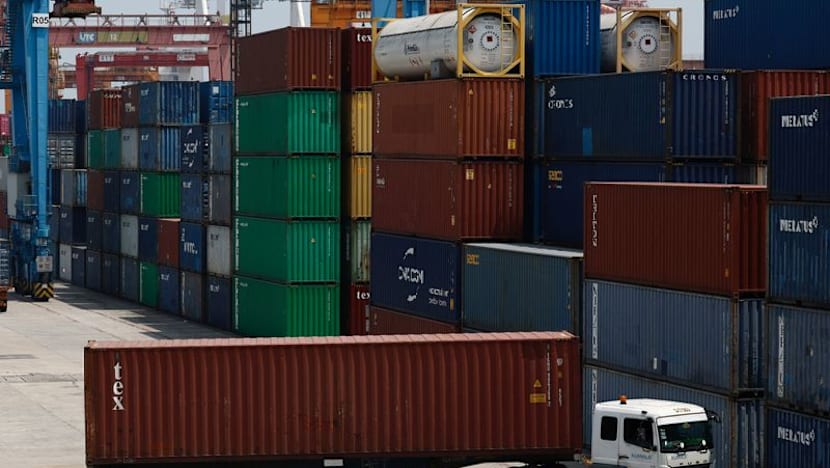
Indonesia's economic indicators show a positive trend as the country's trade surplus expanded to US$3.32 billion in March, while the annual inflation rate eased to 2.42% in April. This development reflects a significant shift in Indonesia's economic landscape, driven by a combination of increased exports and reduced imports.
The easing of inflation suggests that the country's economic policies are effectively stabilizing prices, which is crucial for maintaining consumer purchasing power and overall economic health. The trade surplus is a critical measure of Indonesia's economic performance, indicating that the country is exporting more than it is importing.
This surplus can be attributed to strategic economic policies that have boosted export activities while managing import levels. The easing inflation rate further underscores the effectiveness of these policies, as it points to a controlled rise in consumer prices, which is essential for economic stability.
These economic indicators are vital for understanding Indonesia's position in the global market. A trade surplus not only strengthens the national currency but also enhances the country's ability to invest in infrastructure and development projects.
Moreover, a lower inflation rate can lead to increased consumer confidence, encouraging spending and investment within the economy. The positive economic data comes at a time when global markets are facing uncertainties, making Indonesia's performance particularly noteworthy.
The government's ability to maintain a trade surplus and control inflation amidst these challenges highlights its resilience and strategic economic planning. As Indonesia continues to navigate the complexities of the global economy, these indicators will be closely monitored by investors and policymakers alike.
The country's economic trajectory will depend on its ability to sustain these positive trends and address any emerging challenges that may arise. Overall, Indonesia's expanding trade surplus and easing inflation rate are promising signs of economic health, positioning the country favorably in the regional and global economic landscape.
- Indonesian consumers benefit from the easing inflation as it helps maintain their purchasing power, reducing the cost of living.
- The Indonesian government gains from the trade surplus, which strengthens the national currency and provides more resources for public investment.
- Exporters in Indonesia benefit from increased demand for their goods, contributing to the trade surplus and boosting economic growth.
- Whether Indonesia maintains its trade surplus in the coming months.
- The impact of global economic conditions on Indonesia's export levels.
- Any changes in Indonesia's economic policies that could affect inflation rates.
- No source mentions the specific sectors contributing most to the trade surplus.
- No source provides detailed analysis of the economic policies leading to eased inflation.