
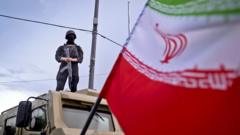
Yemen says Iran using cross-border militias for blackmail, exporting chaos
Coveragetap to expand ▾Spectrum: Center Only🌍Other: 4 · Europe: 2 · ME: 1
- Kuwait has blamed Iran after arresting four men, whom it said were attempting to infiltrate Bubiyan Island by sea and accused them of being linked to the IRGC.
- Iran has denied that it was planning hostile acts against Kuwait.
Iranian activists are increasingly vocal about the psychological trauma inflicted on citizens amid rising fears of war. They assert that the ongoing threat of military conflict exacerbates the already severe trauma stemming from government repression.
As tensions escalate, many Iranians report heightened anxiety and fear, feeling trapped between the oppressive actions of their government and the looming possibility of war. Activists highlight that the Iranian government has a long history of suppressing dissent, which has left many citizens grappling with mental health challenges.
The activists urge many governments to pay closer attention to the psychological toll of these dual pressures on the Iranian populace. They argue that the situation calls for urgent action and support for those affected by both repression and the threat of conflict.
The activists' calls for awareness reflect a broader concern that the combination of internal repression and external threats is creating a crisis of mental health in Iran, one that requires immediate intervention and support.
- The escalating tensions between Iran and Kuwait, particularly with Iran's alleged use of cross-border militias, directly threaten the security of Kuwaiti citizens and could destabilize the region further.
- As fears of military conflict rise, the psychological impact on civilians is profound, leading to increased anxiety and trauma among populations already grappling with government repression.
- This situation not only heightens the risk of military confrontation but also complicates humanitarian efforts, as resources may be diverted to defense rather than addressing the needs of affected communities.
- Iran is expected to announce new military support for cross-border militias within the next 72 hours, potentially increasing regional instability.
- The Yemeni government is likely to implement new security measures in response to Iranian activities, with an official statement anticipated before the end of the week.
- European defense ministers are scheduled to meet next month to discuss strategies for countering Iranian influence in the region, with key decisions expected on joint military exercises.
- Human rights organizations are planning to release a report on the psychological impact of the ongoing conflict on Yemeni civilians, set to be published within the next two weeks.