
Iran and New Zealand Draw 2-2 Amid National Anthem Protests at World Cup
Topic: geopoliticsRegion: Middle EastUpdated: i2 outletsSources: 5Spectrum: MixedFiltered: Europe (2/5)· Clear⏱ 3 min read
Story Summary
SITUATION
The 2-2 draw between Iran and New Zealand at the World Cup highlights the intersection of sports and geopolitics, as Iranian players protested against the regime amid escalating tensions from the US-Israel military campaign. This event underscores the global stage's role in amplifying national grievances and dissent.
Coveragetap to expand ▾Spectrum: Mixed🌍Europe: 2 · Asia: 2 · Other: 1
Political Spectrum
Position is inferred from coverage mix.
i2 outlets · Center
Left
Center
Right
Left: 2
Center: 3
Right: 0
Geography Coverage
Distribution of where coverage is coming from.
i2 unique outlets · Dominant: Europe
KEY FACTS
- New Zealand are given top spot in Group G, despite a 2-2 draw because Iran’s Ehsan Hajsafi was given a yellow card.
HISTORICAL CONTEXT
The ongoing military conflict between the United States and Israel against Iran, which escalated significantly in March 2026, serves as the immediate backdrop for current geopolitical tensions. This military campaign was initiated by coordinated strikes from the US and Israel targeting Iranian power plants, air defenses, and military infrastructure.
These actions were part of a broader strategy to counter perceived threats from Iran, which has responded with military actions of its own throughout 2026, framing them as necessary defenses against aggression.
Brief
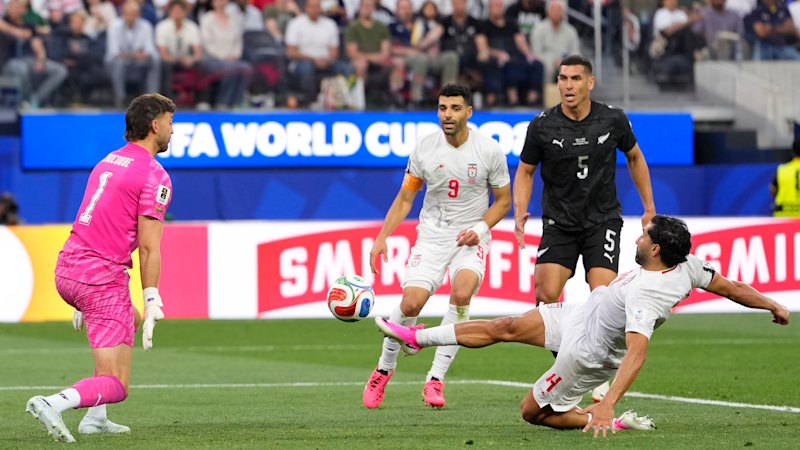
In a politically charged atmosphere, Iran and New Zealand battled to a 2-2 draw in their World Cup match, which took place at SoFi Stadium. The match was marked by significant protests, as fans vocally expressed their dissent by booing the Iranian national anthem, a reflection of the ongoing political tensions surrounding Iran's participation in the tournament.
New Zealand initially took the lead, scoring first, but Iran responded with determination, equalizing twice throughout the match. The yellow card issued to Ehsan Hajsafi added to the drama, affecting Iran's position in Group G. While the match ended in a draw, it was overshadowed by the protests, highlighting the intersection of sports and politics.
Both teams now look ahead to their next matches, with New Zealand currently holding the top spot in their group despite the tie. This match serves as a reminder of the broader political context influencing international sporting events today.
Why it matters
- The 2-2 draw between Iran and New Zealand highlights the ongoing tensions in the Asia-Pacific region, particularly as Iranian athletes continue to use international platforms to protest against their government's policies.
- This match not only impacts the standings in Group G, with New Zealand now leading, but it also underscores the precarious position of Iranian citizens who face repression at home.
- As the Iranian government grapples with both internal dissent and external military pressures, the visibility of these protests may influence international perceptions and support for the Iranian populace, potentially affecting future diplomatic engagements and humanitarian aid efforts.
What to watch next
- Watch for a potential statement from the Iranian government regarding their stance on national anthem protests, expected within the next 48 hours.
- Anticipate a response from FIFA regarding the handling of protests during matches, likely to be released before the next round of World Cup fixtures.
- Keep an eye on New Zealand's foreign ministry for any diplomatic communications or actions in response to the match, expected within the week.
- Monitor social media platforms for any organized protests or movements in support of the players' actions, particularly in the lead-up to the next match day.
- Look for updates from international human rights organizations assessing the implications of the protests on player safety and freedom of expression, expected within the next month.
Sources
2 of 5 linked articles · Filter: Europe