
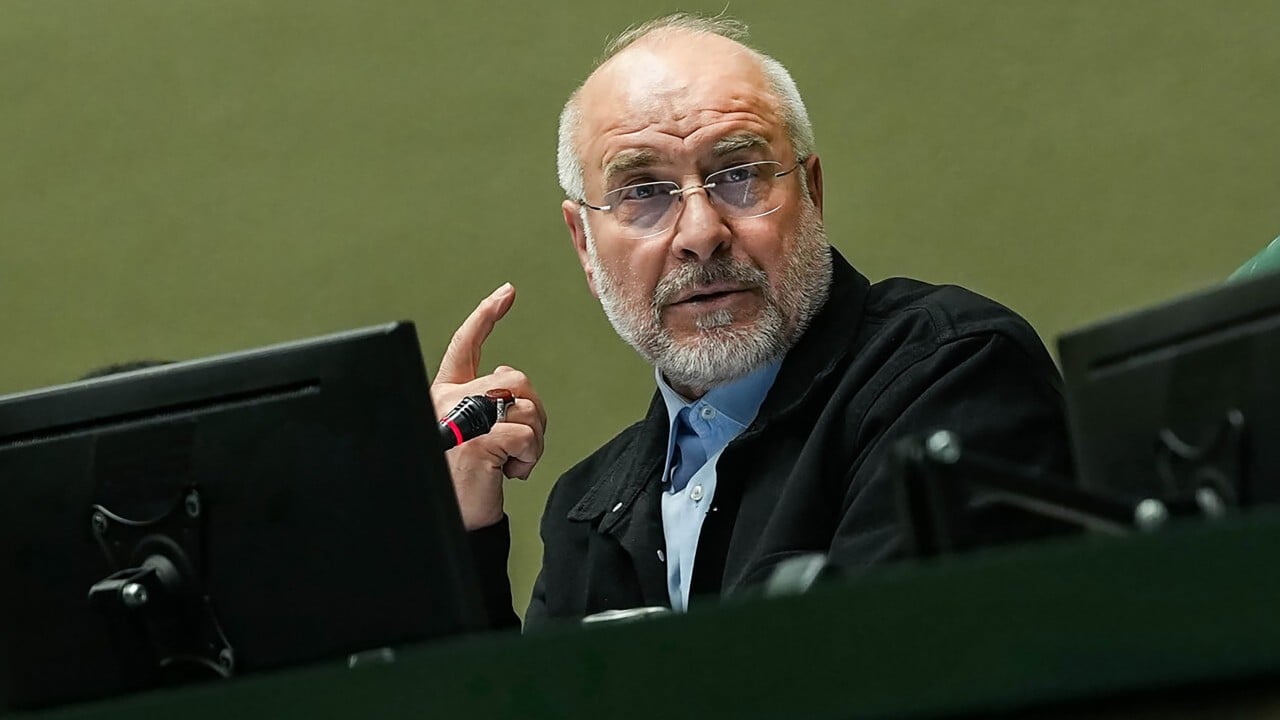
Iran appoints Ghalibaf to strengthen ties with China amid regional tensions
Coveragetap to expand ▾Spectrum: Mixed🌍Asia: 4 · Other: 1
- Iran's Parliament Speaker Mohammad Bagher Ghalibaf has been appointed to oversee relations with China (per straitstimes.com).
- Ghalibaf will coordinate various sectors of relations between Iran and China, according to Tasnim news agency (per straitstimes.com).
- The appointment was made at the proposal of Iranian President Masoud Pezeshkian and with the approval of Supreme Leader Ayatollah Mojtaba Khamenei (per straitstimes.com).
- This move is seen as part of Iran's broader strategy to enhance ties with China amid increasing regional tensions (per news.google.com).
- Ghalibaf's role is expected to facilitate deeper economic and political cooperation between Iran and China (per scmp.com).
- Iran's pivot towards China is viewed as a significant shift in its foreign policy, emphasizing the importance of relations with the Global South (per WION).
Iran has appointed Mohammad Bagher Ghalibaf, the current Parliament Speaker, to oversee its relations with China, a move that underscores Tehran's commitment to strengthening ties with Beijing amid escalating regional tensions.
This appointment was proposed by Iranian President Masoud Pezeshkian and received the approval of Supreme Leader Ayatollah Mojtaba Khamenei, indicating a high-level endorsement of this strategic pivot.
Ghalibaf's new role will involve coordinating various sectors of the relationship between Iran and China, which is expected to enhance economic and political cooperation between the two nations. Analysts suggest that this shift is part of Iran's broader strategy to deepen its alliances in the face of increasing pressures from Western countries, particularly the United States.
The appointment reflects a growing recognition within Iran of the importance of engaging with the Global South as a counterbalance to Western influence. While some sources emphasize the potential benefits of this relationship for Iran, others caution that the long-term implications of such a pivot remain uncertain, particularly in the context of ongoing conflicts in the region.
As Iran navigates these complex dynamics, Ghalibaf's leadership in this area will be closely watched for its impact on Iran's foreign policy and regional standing.
- Iran's strategic pivot towards China may lead to increased economic cooperation, impacting Iranian businesses and consumers through potential trade agreements.
- The strengthening of ties with China could provide Iran with critical support amid ongoing sanctions and military pressures from the US and its allies.
- Ghalibaf's appointment signals a significant shift in Iran's foreign policy, potentially altering the balance of power in the region and affecting neighboring countries' security dynamics.
- Whether Ghalibaf implements specific initiatives to enhance Iran-China relations by the end of 2026.
- Any upcoming meetings between Iranian and Chinese officials to discuss economic cooperation and political alignment.
- The response from the United States and its allies regarding Iran's strengthened ties with China, particularly in military and economic contexts.
- Some sources highlight the strategic importance of Ghalibaf's appointment in the context of US-Iran tensions, while others focus on the economic implications of closer ties with China.