
Iran Conflict Drives Gas Prices Up, Straining Low
Coveragetap to expand ▾Spectrum: Center Only🌍Other: 1
- The Iran war led to a significant increase in gas prices, impacting low-income Americans the most (per fortune.com).
- The New York Fed report indicates that gas prices rose by about 25% by the end of March (per fortune.com).
- Overall gas consumption fell by 3% in the month following the onset of the Iran war (per fortune.com).
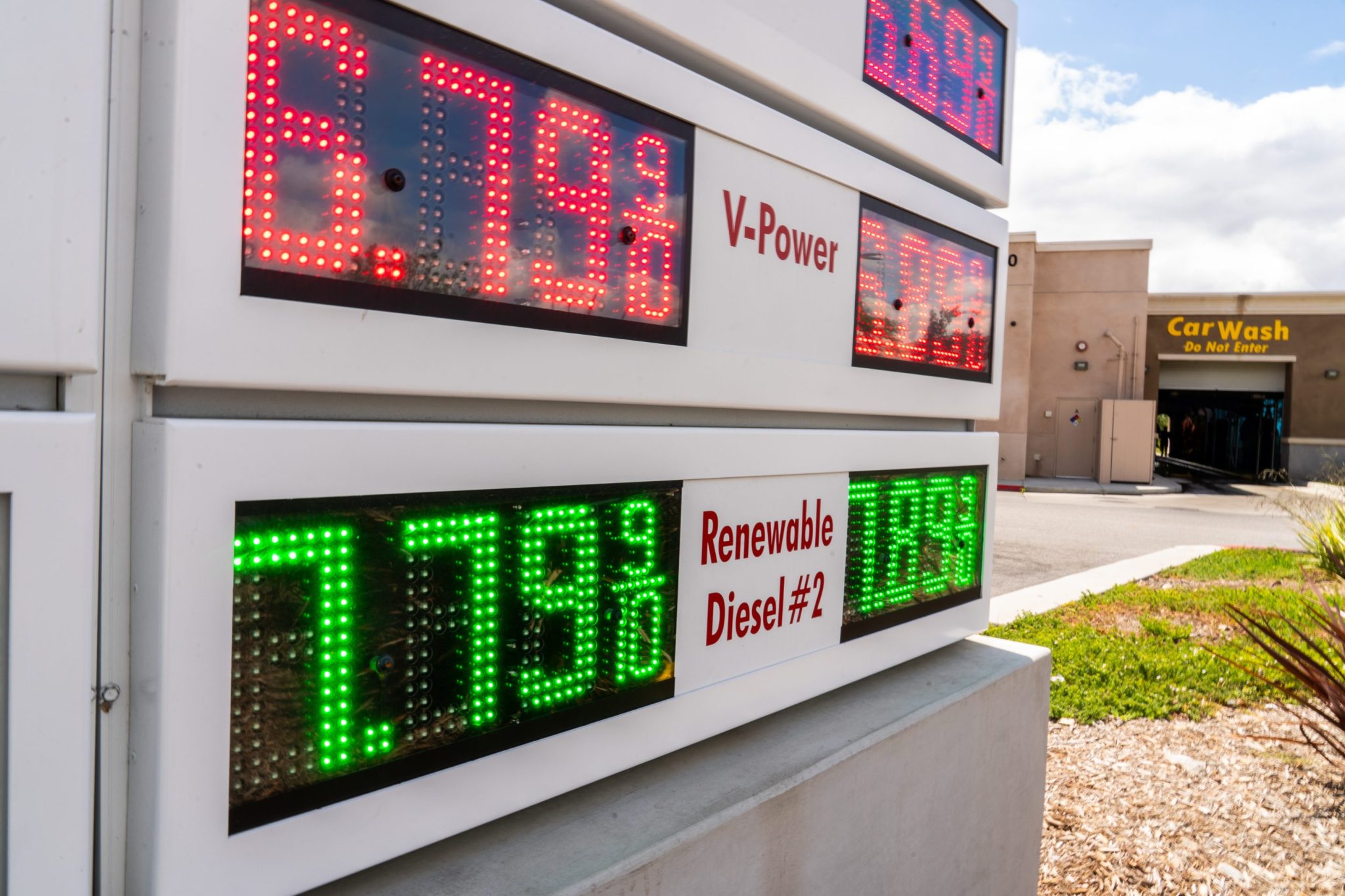
The recent escalation in the Iran conflict has led to a sharp increase in gas prices, disproportionately affecting low-income Americans, according to a report by the Federal Reserve Bank of New York.
The report highlights that while lower-income households have reduced their gas consumption, they are still spending more due to the price surge, exacerbating existing economic disparities. This situation has intensified what economists describe as a 'K-shaped economy,' where wealthier individuals continue to thrive while those with lower incomes struggle.
Gas prices rose by approximately 25% by the end of March, following the onset of the conflict, forcing many Americans to adjust their spending habits. The New York Fed's findings indicate that overall gas consumption fell by 3% during this period. However, the impact was not uniform across income groups.
While higher-income households increased their spending on gasoline with minimal reduction in consumption, lower-income families were compelled to cut back significantly. The report draws a comparison to the 2022 gas-price shock following Russia's invasion of Ukraine, noting that the current disparities in consumer behavior are even more pronounced.
This highlights the persistent and growing economic divide in the United States, where the financial burden of global conflicts is felt most acutely by those least able to bear it. The 'K-shaped economy' concept underscores the divergent recovery paths of different income groups, with the wealthy continuing to prosper while others face increasing financial strain.
The New York Fed's analysis suggests that the recent gas price increases have further entrenched these disparities, posing challenges for policymakers aiming to address economic inequality. As the Iran conflict continues to influence global oil markets, the ripple effects on domestic economies are becoming increasingly evident.
The situation underscores the interconnectedness of international events and local economic conditions, particularly for vulnerable populations. The report from the New York Fed serves as a stark reminder of the broader implications of geopolitical tensions, emphasizing the need for targeted economic policies that can mitigate the adverse effects on low-income households.
As the situation evolves, the focus will likely remain on how to balance global energy demands with domestic economic stability.
- Low-income Americans bear the concrete costs as they face higher gas prices despite reduced consumption, worsening economic disparities (per fortune.com).
- The 'K-shaped economy' highlights the growing divide where wealthier individuals benefit from stable or increased consumption, while lower-income groups struggle (per fortune.com).
- The Iran conflict's impact on global oil markets directly affects domestic economies, particularly vulnerable populations who are least able to absorb price shocks (per fortune.com).
- Whether the Federal Reserve Bank of New York releases further analysis on the economic impact of the Iran conflict.
- Any policy measures by the U.S. government aimed at alleviating the financial burden on low-income households due to rising gas prices.
- Developments in the Iran conflict that could further influence global oil prices and domestic economic conditions.
- No source mentions the specific actions by the U.S. or its allies that may have triggered the Iran conflict.
- The report does not detail the specific economic policies that could mitigate the impact on low-income Americans.
- There is no mention of the role of oil companies or trade groups in lobbying against policies that could stabilize gas prices.