
Xi-Trump Summit Faces Tensions Over Iran Conflict and Energy Security
Coveragetap to expand ▾Spectrum: Left Only🌍Asia: 1
- US President Donald Trump is scheduled to visit Beijing next week after a six-week delay caused by the war on Iran (per scmp.com).
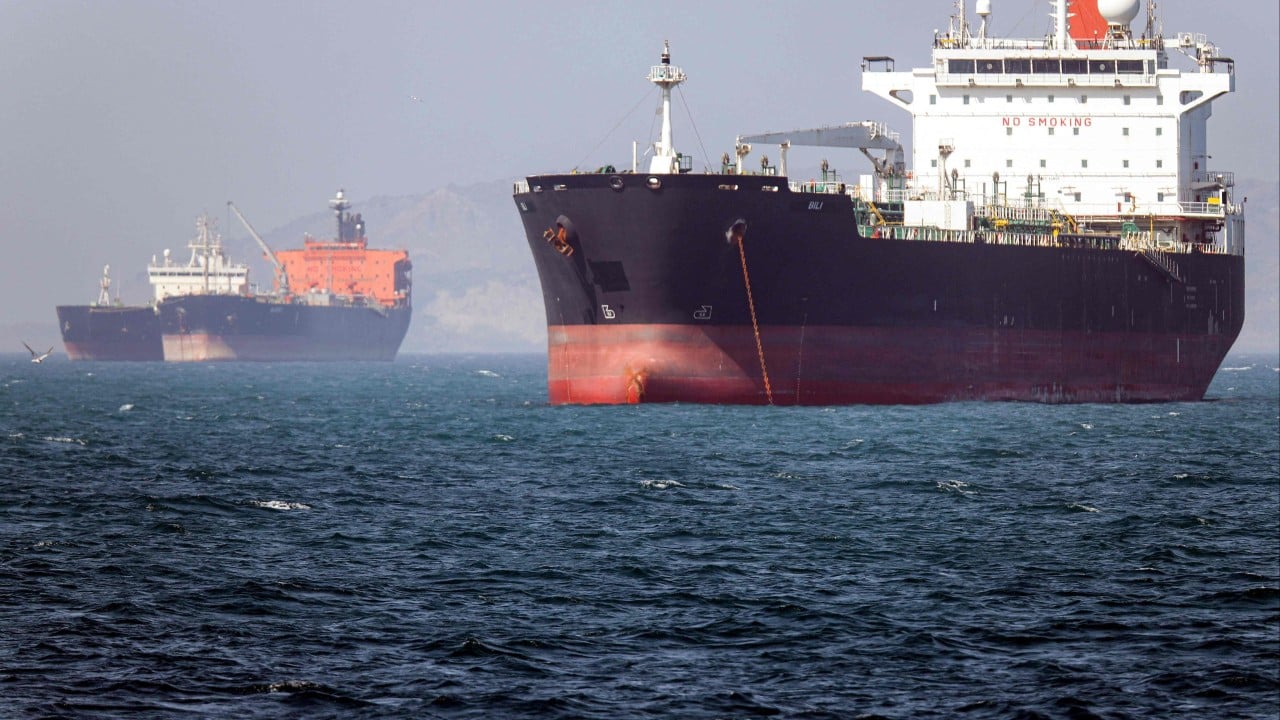
- The closure of the Strait of Hormuz due to the conflict has become a potential point of friction between the US and China (per scmp.com).
- The US is confident in its energy independence, potentially viewing China's reliance on Gulf energy as a vulnerability (per scmp.com).
The upcoming summit between US President Donald Trump and Chinese President Xi Jinping is set against the backdrop of the ongoing conflict in Iran, which has led to the closure of the strategic Strait of Hormuz. This development poses a significant challenge for both nations, as they navigate their respective interests and strategies in the region.
The war in Iran, which has disrupted one of the world's most critical maritime chokepoints, has delayed Trump's visit to Beijing by six weeks, highlighting the geopolitical tensions at play. The United States, buoyed by its relative energy independence, may see China's reliance on Gulf energy as a strategic vulnerability.
This perspective could influence Washington's approach to the summit, where energy security and regional stability are likely to be key topics of discussion. Meanwhile, China, which depends heavily on energy imports from the Gulf, might calculate that the ongoing instability will weigh more heavily on the US and its allies, potentially giving Beijing leverage in negotiations.
Despite these tensions, Chinese President Xi Jinping is expected to attempt to compartmentalize the Iran issue, focusing the summit on trade, technology, and bilateral stabilization. This approach reflects Beijing's broader strategy of maintaining economic growth and technological advancement while managing geopolitical challenges.
From China's perspective, a de-escalation of the Iran conflict would be a significant outcome of the summit, potentially easing global energy markets and reducing regional tensions. The differing lenses through which Washington and Beijing view the Iran conflict underscore the complexities of their bilateral relationship.
While both nations stand to benefit from the reopening of the Strait of Hormuz and a permanent end to the war, their divergent strategies highlight the challenges of achieving a unified approach. The summit will test the ability of both leaders to navigate these differences and find common ground on critical issues affecting global stability.
As the summit approaches, the stakes are high for both the US and China. The outcome could have far-reaching implications for their bilateral relationship, as well as for the broader international community.
The ability of Trump and Xi to address the Iran conflict and its associated challenges will be closely watched by global observers, as it may set the tone for future engagements between the two superpowers.
- The closure of the Strait of Hormuz affects global oil supply, impacting countries reliant on Gulf energy, including China.
- US energy independence allows it to leverage geopolitical tensions in the Gulf to its advantage, potentially pressuring China.
- The summit's focus on trade and technology reflects both nations' priorities in maintaining economic growth amid geopolitical challenges.
- Whether President Trump and President Xi reach an agreement on de-escalating the Iran conflict during the summit.
- The impact of the summit on US-China trade relations, particularly in the technology sector.
- Any shifts in China's energy strategy in response to the ongoing instability in the Gulf region.
- scmp.com highlights the US's energy independence as a strategic advantage, while emphasizing China's focus on trade and technology.
- The specific strategies each nation will employ to address the Iran conflict remain unclear.
- No source mentions the specific economic impacts on countries other than the US and China due to the Strait of Hormuz closure.
- scmp.com suggests the Iran conflict delayed Trump's visit, but does not detail the direct causal link.
- 'Xi will likely try to compartmentalise Iran and keep the summit focused on trade, technology and bilateral stabilisation,' Marks said (per scmp.com).