
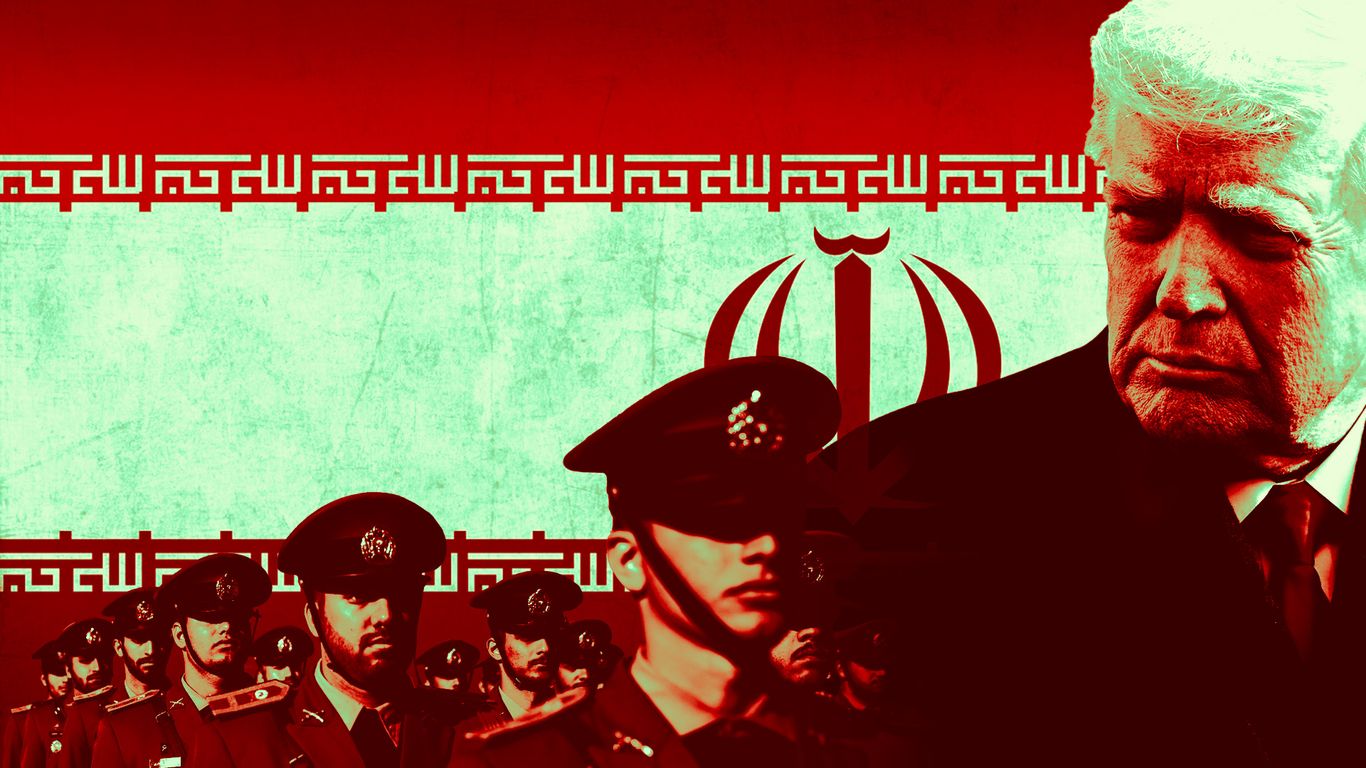
US, Iran nearing one-page war-ending agreement, response expected within 48 hours
Coveragetap to expand ▾Spectrum: Mostly Center🌍US: 3 · ME: 2 · Other: 1
- The United States and Iran are close to finalizing a one-page memorandum of understanding aimed at ending the war (per Axios).
- The proposed agreement includes lifting blockades and removing US sanctions in exchange for Iran's 15-year moratorium on uranium enrichment (per jpost.com).
- Iran would also agree to transfer its stockpile of highly enriched uranium outside its borders, potentially to the US (per jpost.com).
- Iran has given President Trump a 30-day deadline to settle a peace deal and end the war (per nypost.com).
- The Iranian Foreign Ministry confirmed that their plan focuses exclusively on ending the war without addressing the nuclear program (per nypost.com).
The United States and Iran are on the brink of reaching a significant agreement to end the ongoing war, with a one-page memorandum of understanding reportedly close to finalization. This potential breakthrough comes amid heightened tensions in the Strait of Hormuz, where a French cargo ship was recently attacked.
The proposed deal involves the lifting of blockades and the removal of US sanctions in exchange for Iran's commitment to a 15-year moratorium on uranium enrichment. Additionally, Iran would transfer its stockpile of highly enriched uranium outside its borders, potentially to the United States.
Negotiations have been taking place both directly and indirectly, with Steve Whitkoff and Jared Kushner representing the American side. The United States expects a response from Iran within 48 hours regarding the memorandum's key points.
However, Iran has set a 30-day deadline for President Trump to agree to their peace proposal, which demands the lifting of US blockades and sanctions on Iranian ports.
The Iranian Foreign Ministry has confirmed that their plan focuses solely on ending the war and does not address the nuclear program, a point that could be a sticking issue for the US, given President Trump's emphasis on ending Iran's nuclear program.
The situation remains complex, with Iran's recent attack on a cargo ship near the vital oil route adding to the urgency of reaching an agreement. While the US and Iran are reportedly close to an agreement, the details of the nuclear program remain a contentious issue.
The US has been clear about its goal to address Iran's nuclear capabilities, while Iran's current proposal does not include any mention of its nuclear program.
The potential agreement marks the closest the two countries have come to resolving the conflict since the war began on February 28. many governments is closely watching the developments, as the outcome could have significant implications for regional stability and global oil markets.
As negotiations continue, the focus remains on whether the two sides can bridge their differences and finalize an agreement that addresses both the immediate conflict and the broader issues surrounding Iran's nuclear program.
- The ongoing conflict has disrupted global oil markets, affecting countries reliant on oil imports from the region.
- Iran's commitment to halt uranium enrichment for 15 years could significantly impact its nuclear capabilities, addressing a major concern for the US and its allies.
- The lifting of US sanctions and blockades could provide economic relief to Iran, potentially stabilizing its economy.
- The outcome of the negotiations could influence regional power dynamics, particularly in the Middle East.
- Whether Iran responds to the US memorandum within the expected 48-hour timeframe.
- President Trump's decision on Iran's 30-day deadline to settle a peace deal.
- Any further military actions or attacks in the Strait of Hormuz that could escalate tensions.
- The US and Iran's ability to address the nuclear program in future negotiations.
Left- and right-leaning outlets are covering this story differently — in which facts to emphasize, which context to include, and how to frame causes and consequences.
6 specific areas where coverage diverges — see below.
- Axios emphasizes the potential for a war-ending agreement, while nypost.com highlights Iran's demands and deadline for President Trump.
- The exact details of how the nuclear program will be addressed remain unclear, with differing emphasis on its inclusion in the agreement.
- No source mentions the specific economic impact of the blockades and sanctions on Iran's civilian population.
- The broader geopolitical implications of the US-Iran conflict on Middle Eastern stability are not detailed.
- Sources agree on the sequence of events leading to the memorandum but differ on the emphasis of the nuclear program's role.
- Axios attributes the potential agreement to ongoing negotiations, while nypost.com focuses on Iran's demands and deadlines.
- Iranian foreign ministry spokesperson Esmaeil Baghaei confirmed that their plan focuses exclusively on ending the war.