
Iran Rejects Talks After US Fires On Sanctioned Cargo Ship Touska, Says ‘Blockade Main Obstacle’
Coveragetap to expand ▾Spectrum: Mostly Center🌍ME: 3 · Other: 2 · Asia: 1
- The United States fired on the Iranian cargo ship Touska, which is under sanctions (per timesofindia.indiatimes.com).
- Iran has rejected talks with the US, stating that the blockade is the main obstacle to negotiations (per timesofindia.indiatimes.com).
- The US's arms sales are seen as a move to bolster regional allies amid ongoing tensions with Iran (per timesofindia.indiatimes.com).
- Iran has labeled the blockade as a significant barrier to diplomatic progress (per timesofindia.indiatimes.com).
- The incident with the Touska is part of broader tensions between the US and Iran, exacerbated by recent military actions (per timesofindia.indiatimes.com).
The United States recently fired on the Iranian cargo ship Touska, which is under international sanctions, leading Iran to reject further talks with the US. Iran has cited the blockade as the primary obstacle to diplomatic negotiations.
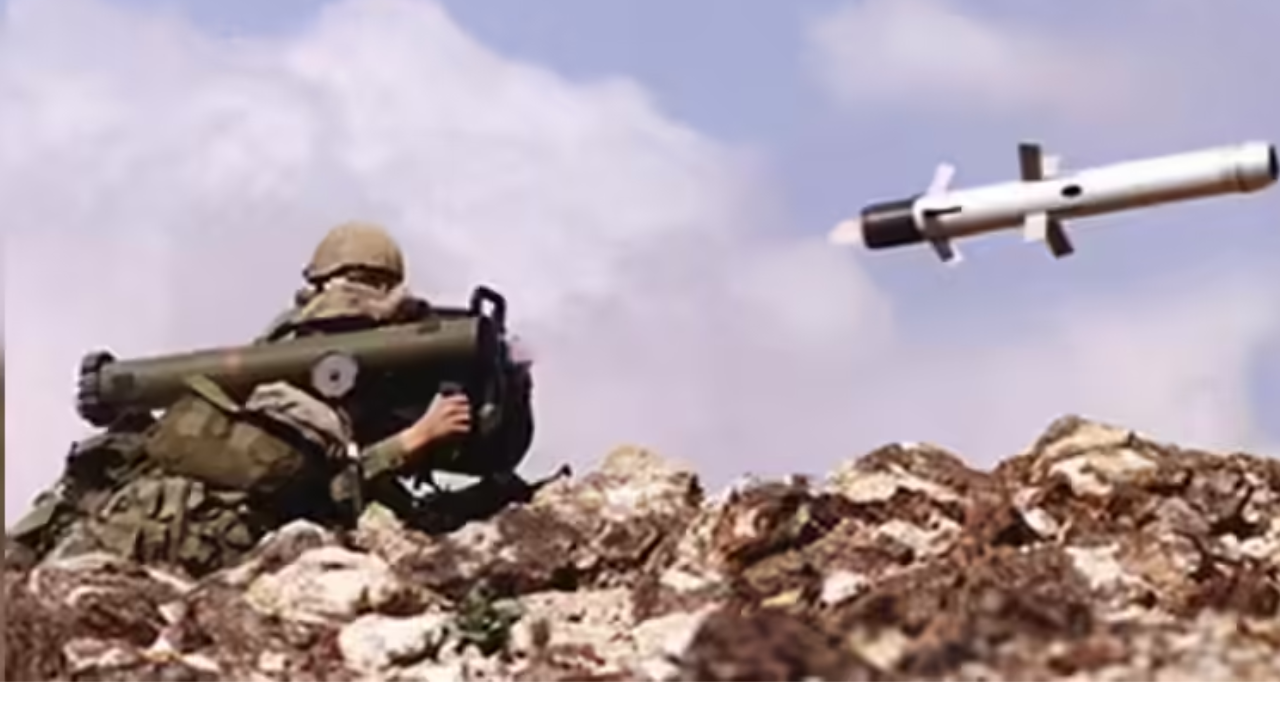
This development comes amid heightened tensions in the Middle East, where the US has approved $8.6 billion in arms sales to regional allies, including Israel, Qatar, UAE, and Kuwait. These arms sales are perceived as a strategic move to strengthen alliances in the face of ongoing conflicts involving Iran.
Iran's decision to reject talks underscores the significant impact of the blockade, which it views as a major hindrance to diplomatic progress. The US's military action against the Touska has further strained relations, as Iran perceives these actions as aggressive and unjustified.
The broader context of these tensions includes the recent US and Israeli military strikes against Iran, which have been part of an ongoing conflict. The US's arms sales to its Middle Eastern allies are intended to reinforce their military capabilities amid the current geopolitical climate.
This move is likely to further complicate the situation, as it may be viewed by Iran as an escalation of hostilities. The approval of these arms deals reflects the US's commitment to supporting its allies in the region, despite the potential for increased conflict.
Iran's rejection of talks and the emphasis on the blockade highlight the challenges in achieving diplomatic resolutions. The blockade, which Iran argues is a significant barrier, remains a contentious issue that complicates any potential negotiations. The US's actions, including the firing on the Touska and the arms sales, are seen as contributing to the ongoing tensions.
As the situation develops, many governments will be closely monitoring the actions of both the US and Iran. The potential for further escalation remains, particularly in light of the recent military actions and the substantial arms deals.
The path to diplomacy appears fraught with obstacles, as both sides continue to assert their positions in this complex geopolitical landscape.
- Iranian civilians bear the concrete costs of the blockade, which limits access to essential goods and exacerbates economic hardships.
- US arms manufacturers benefit from the $8.6 billion arms sales to Middle East allies, as these deals increase their profits and market influence.
- Middle Eastern allies of the US, such as Israel, Qatar, UAE, and Kuwait, gain enhanced military capabilities through the arms sales, potentially altering regional power dynamics.
- Whether Iran takes further retaliatory actions against US interests in response to the firing on the Touska.
- The impact of the $8.6 billion arms sales on regional military balances and potential responses from Iran.
- Any diplomatic initiatives or statements from the US or Iran regarding the blockade and potential negotiations.
- Both sources emphasize Iran's rejection of talks and the blockade as obstacles, but differ in the level of detail about the US arms sales.
- No source provides specific details on the circumstances of the US firing on the Touska.
- No source mentions the broader context of US and Israeli military actions against Iran that preceded the firing on the Touska.
- Both sources agree on the $8.6 billion figure for arms sales.
- Sources agree that the US firing on the Touska led to Iran's rejection of talks.
- Both sources attribute the rejection of talks to Iran, citing the blockade as the main reason.