
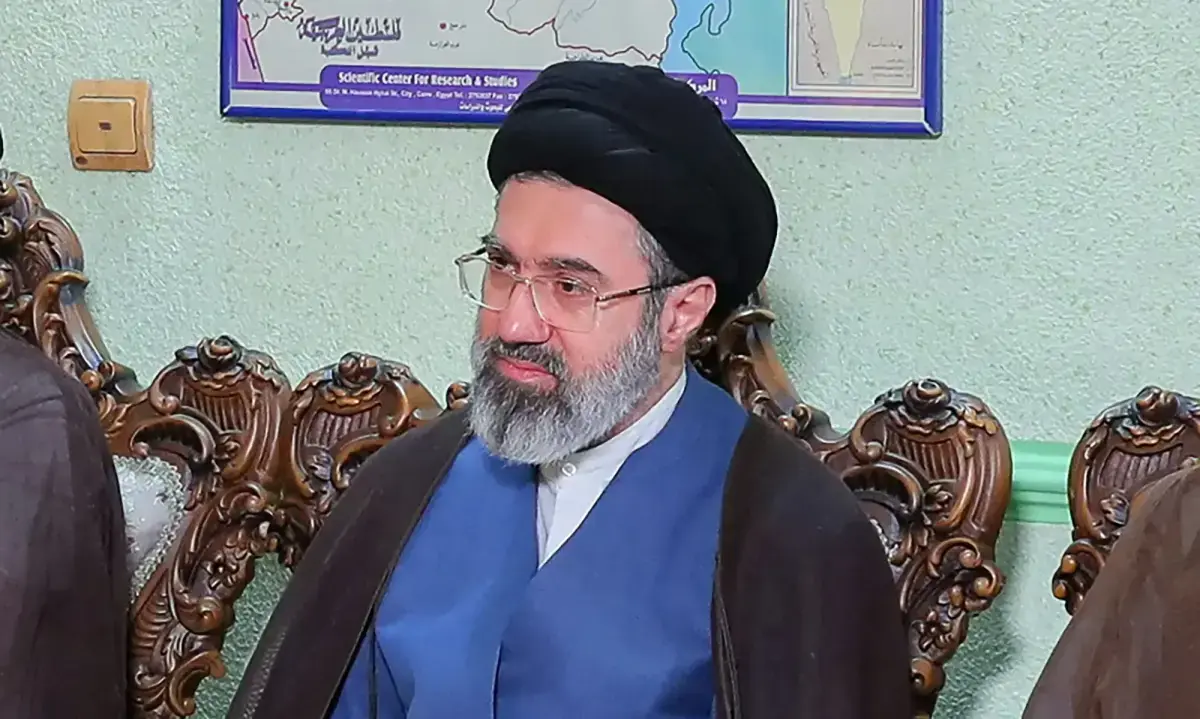
Iran supreme leader says regional nations will 'no longer be shields' for US bases
Coveragetap to expand ▾Spectrum: Mostly Center🌍ME: 3 · Other: 2 · US: 1
- Region will no longer serve as 'shields' for US bases: Iran supreme leader - Region Region will no longer serve as 'shields' for US bases: Iran supreme leader - Region - World - Ahram Online
- Khamenei says US bases will no longer be safe in Middle East - The Jerusalem Post
- Iran Supreme Leader Khamenei warns Middle East nations won’t be shields for US bases - News24
On May 26, 2026, Iran's Supreme Leader Ayatollah Mojtaba Khamenei declared that nations in the Middle East will 'no longer serve as shields for US bases.' This statement, shared on his X account, underscores Iran's commitment to opposing US military presence in the region, particularly in light of recent coordinated military actions by the US and Israel against Iranian targets.
Khamenei's assertion that 'the hands of time will not turn back' suggests a significant shift in the geopolitical dynamics of the Middle East, as Iran seeks to bolster its influence and challenge US hegemony.
The remarks indicate a potential rallying point for regional allies to reconsider their ties with US forces, reflecting a growing sentiment against foreign military installations.
This declaration comes amid heightened tensions following military strikes that have intensified the conflict between Iran and the US, marking a critical moment in the ongoing struggle for power in the region.
As Iran navigates this complex landscape, Khamenei's comments may catalyze further resistance against US interests, reshaping alliances and strategies among Middle Eastern nations.
- The statement by Iran's Supreme Leader signals a significant shift in the geopolitical landscape of the Middle East, potentially emboldening anti-US sentiments among regional nations.
- This could lead to increased tensions and instability for US military operations in the area, affecting the safety of American personnel and assets.
- Additionally, countries that have historically aligned with the US may face pressure to reassess their security partnerships, which could alter defense strategies and alliances in the region.
- As a result, local populations may experience heightened insecurity and economic repercussions stemming from a more volatile environment.
- Watch for a statement from the U.S. Department of Defense regarding potential adjustments to military presence in the region within the next 72 hours as a response to Iran's declaration.
- Anticipate a meeting between Gulf Cooperation Council (GCC) leaders to discuss collective security measures before the upcoming June summit, focusing on regional defense strategies.
- Monitor for any announcements from the Iranian government regarding military exercises or joint operations with allied nations in the region within the next month.
- Expect a response from Israel, potentially involving diplomatic outreach to key allies, as they assess the implications of Iran's stance on U.S. bases in the region within the next two weeks.
- Look for statements from China regarding its position on U.S. military presence in Asia Pacific, particularly in relation to Iran's comments, expected within the next quarter.
Left- and right-leaning outlets are covering this story differently — in which facts to emphasize, which context to include, and how to frame causes and consequences.