
Iran to Hold Grand Funeral for Late Supreme Leader Khamenei Amid Ceasefire
Topic: defense & securityRegion: Middle EastUpdated: i2 outletsSources: 4Spectrum: Mostly CenterFiltered: Asia (2/4)· Clear⏱ 4 min read
Story Summary
SITUATION
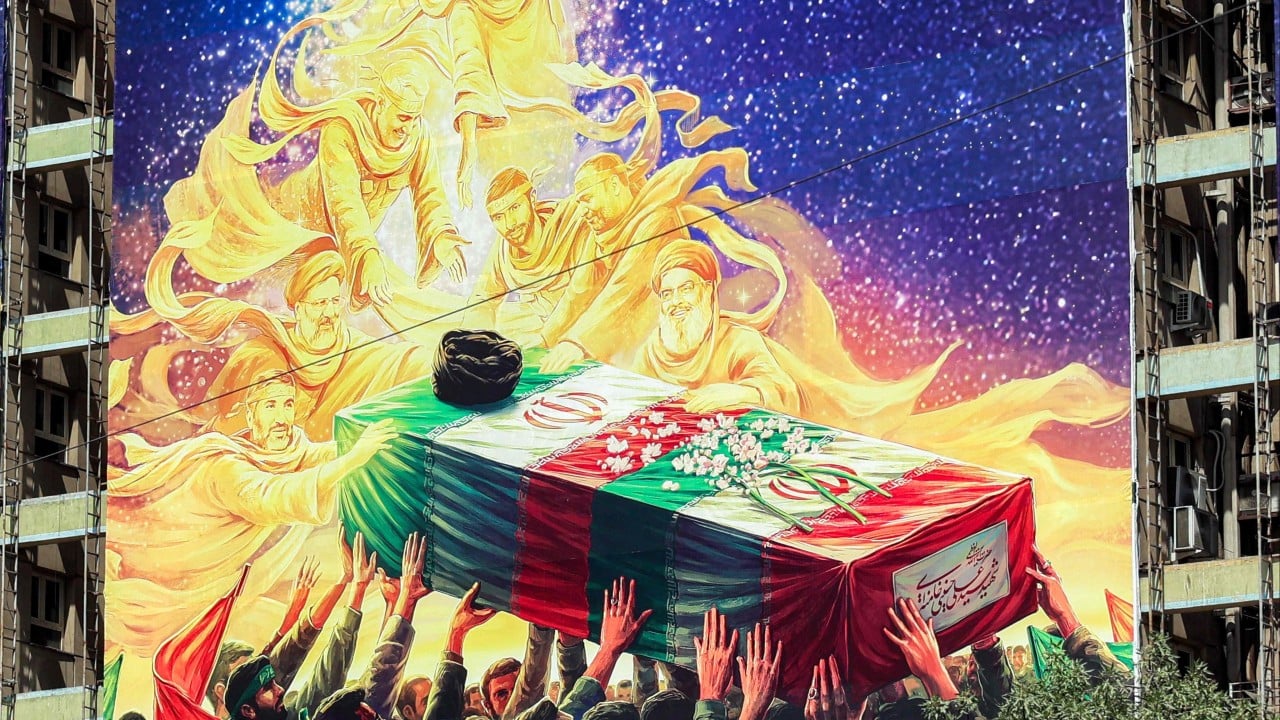
Iran is preparing for a grand funeral for Ayatollah Ali Khamenei, who was killed in US-Israeli air strikes on February 28. The funeral, initially delayed due to the ongoing conflict, will take place as Iran and the United States observe a fragile ceasefire following a preliminary deal to halt hostilities.
Coveragetap to expand ▾Spectrum: Mostly Center🌍Asia: 2 · Europe: 1 · ME: 1
Political Spectrum
Position is inferred from coverage mix.
i2 outlets · Center
Left
Center
Right
Left: 1
Center: 3
Right: 0
Geography Coverage
Distribution of where coverage is coming from.
i2 unique outlets · Dominant: Asia
KEY FACTS
- Iran prepares grand funeral for late supreme leader killed on war’s first day
- Khamenei, a spiritual figure for many Shias, was killed aged 86 at his compound in the centre of the Iranian capital on February 28, the first day of the war.
- His public funeral will begin on Saturday, with his body lying in state at the colossal complex in central Tehran that hosts major Friday prayers, official ceremonies and religious gatherings.
- The ceremonies are expected to draw between 15 and 20 million mourners, according to officials, which would make it the biggest state funeral in the country’s history.
HISTORICAL CONTEXT
The ongoing military conflict between the United States, Israel, and Iran has reached a critical juncture as of March 2026, following a series of coordinated military strikes initiated by the US and Israel against Iranian military infrastructure. This campaign began on March 1, 2026, the very day that Iranian Supreme Leader Ayatollah Ali Khamenei was killed in these strikes.
The conflict has escalated significantly since the US and Israel launched their operations, which were framed as necessary measures to counter Iran's perceived threats in the region. In response to these attacks, Iran has engaged in military actions, which have been characterized as retaliatory rather than unprovoked.
Brief
Iran is set to hold a grand funeral for Ayatollah Ali Khamenei, its late supreme leader, who was killed in US-Israeli air strikes on February 28, the first day of the ongoing conflict. This significant event comes as Iran and the United States observe a fragile ceasefire, following a preliminary agreement aimed at halting hostilities.
The funeral, initially delayed due to the intensity of the war, will take place at Tehran's Grand Mosalla, where preparations are underway, including the display of giant portraits of Khamenei. His body will lie in state at this prominent religious complex, which is central to major Friday prayers and official ceremonies.
Additionally, the bodies of Khamenei's slain relatives will be presented, emphasizing the personal and national tragedy of his death. Khamenei, who served as a spiritual leader for many Shias, was 86 years old at the time of his death, marking a pivotal moment in Iran's leadership landscape.
The fragile ceasefire reflects the ongoing tensions and complexities of the conflict, as both nations navigate the aftermath of Khamenei's death and its implications for future relations.
Sources
2 of 4 linked articles · Filter: Asia