
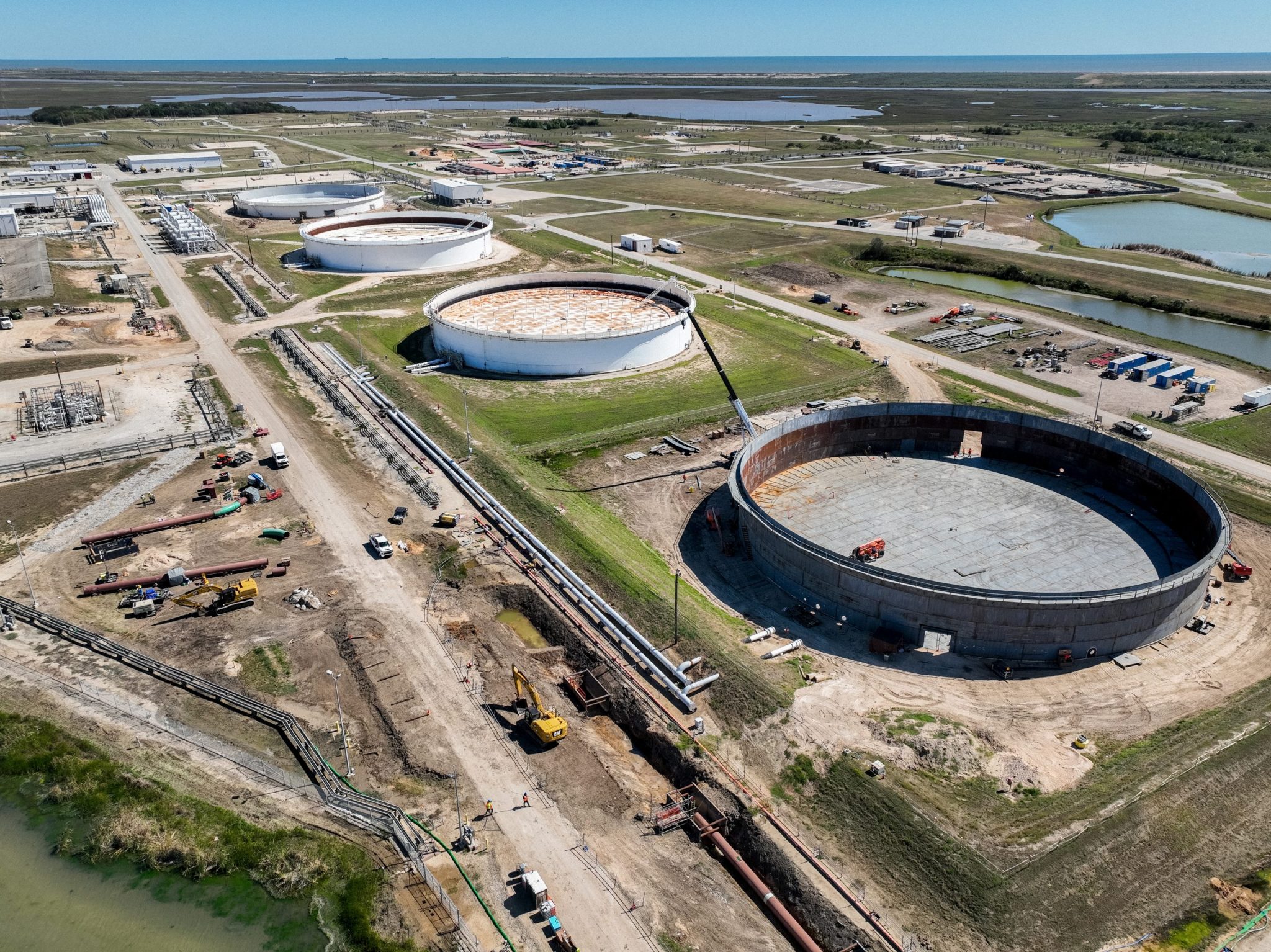
Iran's War Drains Global Oil Reserves, Threatening Future Supply Stability
Coveragetap to expand ▾Spectrum: Mostly Center🌍Other: 9 · US: 3 · Europe: 3
- The Iran war is draining global oil inventories at a record pace, significantly reducing the buffer that protects against supply shocks (per Fortune).
- Global visible oil stocks are nearing their lowest levels since 2018, increasing vulnerability to future disruptions (per Fortune).
- The depletion of oil reserves is expected to lead to more extreme price spikes and shortages in the near future (per Fortune).
- The conflict has resulted in a loss of petrodollar stimulus, impacting Gulf wealth and global economic stability (per news.google.com).
- Oil prices have risen as a direct consequence of the ongoing conflict, reflecting market reactions to supply concerns (per news.google.com).
- The Iran war has created opportunities for Russia, particularly in energy discussions with China, as it seeks to fill the gaps left by reduced Iranian oil exports (per news.google.com).
- The geopolitical tensions surrounding the Iran war have led to increased scrutiny of global oil supply chains and their resilience (per news.google.com).
The ongoing war in Iran is rapidly depleting global oil inventories, threatening the stability of oil supplies worldwide. As the conflict escalates, the world has witnessed a significant reduction in oil reserves, with stocks nearing their lowest levels since 2018.
This depletion is raising concerns about future supply shocks, as the inventories that typically act as a buffer against disruptions are being consumed at an unprecedented rate. The economic implications are profound; rising oil prices are a direct response to the conflict, reflecting fears of shortages and price spikes.
In addition, the war has diminished petrodollar stimulus, adversely affecting Gulf economies and global financial stability. Meanwhile, Russia is seizing the opportunity to strengthen its energy ties with China, potentially reshaping the dynamics of global energy markets.
As the situation unfolds, the interplay between military actions and economic consequences will be critical to watch, particularly regarding how these developments will influence future oil supply and pricing.
- Global oil consumers, particularly in Europe and Asia, face rising prices and potential shortages due to the depletion of oil reserves caused by the Iran war.
- Gulf economies are losing petrodollar stimulus, which could lead to economic instability in the region as oil revenues decline.
- The conflict creates opportunities for Russia to expand its influence in energy markets, particularly through partnerships with China, potentially reshaping global energy dynamics.
- Whether oil prices continue to rise as the Iran war progresses and impacts global supply by the end of Q2 2026.
- The outcome of ongoing energy discussions between Russia and China, particularly regarding pipeline agreements, by mid-2026.
Left- and right-leaning outlets are covering this story differently — in which facts to emphasize, which context to include, and how to frame causes and consequences.
1 specific area where coverage diverges — see below.
- Fortune emphasizes the unprecedented depletion of oil inventories and its implications for future supply stability; other sources focus more on geopolitical ramifications.