
UAE says it intercepted Iranian missiles for first time since ceasefire began
Coveragetap to expand ▾Spectrum: Mixed🌍US: 5 · Other: 2 · ME: 1 · Asia: 1
- Will UAE fight back Iran? US Navy reopens Strait of Hormuz as UAE faces Iranian missile and drone attacks
- Will UAE fight back Iran? US Navy reopens Strait of Hormuz as UAE faces Iranian missile and drone attacks - The Economic Times
- U.S. Shot Down Iranian Missiles and Drones Aimed at American Vessels in Strait of Hormuz, Admiral Says
- Shot Down Iranian Missiles and Drones Aimed at American Vessels in Strait of Hormuz, Admiral Says - The New York Times
- military said it fired on Iranian forces and sank six small boats targeting civilian ships as it moved to reopen the Strait of Hormuz on Monday.
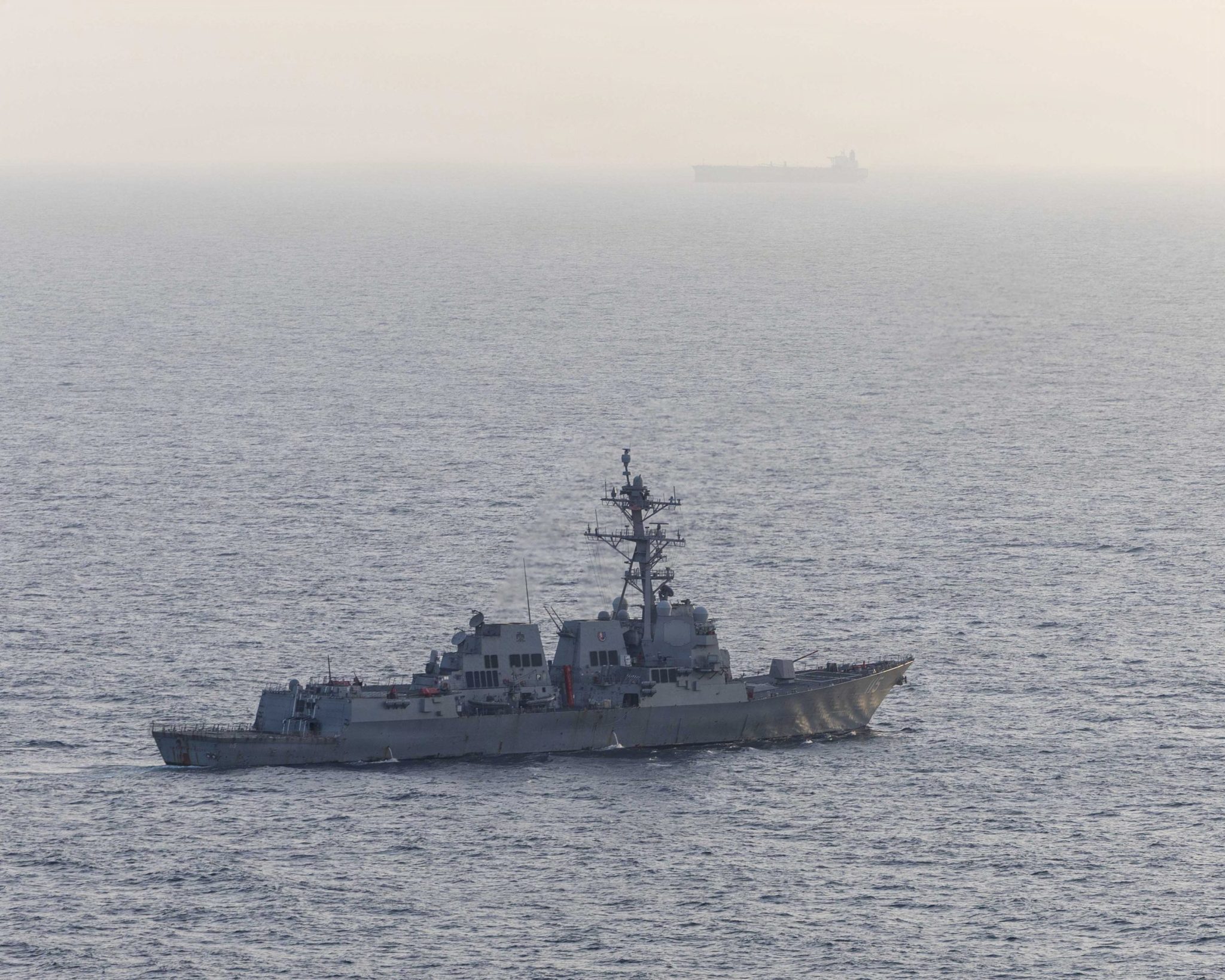
In a significant escalation of tensions in the Strait of Hormuz, Iranian forces launched missiles and drones targeting U.S. naval vessels. The U.S. Navy, under the command of Admiral Brad Cooper, successfully intercepted the attacks, destroying six Iranian small boats and neutralizing the missile and drone threats.
This confrontation marks a critical moment in the ongoing standoff over the strategic waterway, which is vital for global oil shipments. The U.S. Navy has since reopened the Strait of Hormuz for commercial shipping, deploying two Navy destroyers to ensure safe passage.
This move aligns with President Donald Trump's recent announcement of Project Freedom, a strategic initiative to secure maritime routes in the region. The U.S. Central Command has also issued a warning to Iranian forces to steer clear of American military operations, maintaining a naval blockade on Iranian ships.
While the U.S. asserts its actions are defensive, aimed at protecting international shipping lanes, Iran's motivations remain complex. The Iranian government is reportedly assessing the U.S. response to a peace proposal, details of which have not been publicly disclosed. This diplomatic angle adds another layer to the already tense military situation.
The potential involvement of regional actors, such as the United Arab Emirates, further complicates the scenario. The UAE faces its own security challenges due to Iranian missile and drone capabilities, raising questions about its possible military response. However, no definitive actions have been announced by the UAE government.
The Strait of Hormuz has long been a flashpoint in U.S.-Iran relations, with both nations vying for control over this critical chokepoint. The current military engagement underscores the fragile nature of peace efforts in the region and the high stakes involved for global energy markets.
As the situation develops, many governments watches closely, aware that any misstep could lead to broader conflict. The U.S. continues to emphasize its commitment to maintaining open and secure maritime routes, while Iran's next moves remain uncertain. The outcome of this confrontation could have lasting implications for regional stability and global oil prices.
Left- and right-leaning outlets are covering this story differently — in which facts to emphasize, which context to include, and how to frame causes and consequences.