
Iran War Triggers Asian Plastic Shortage, Disrupts Supply Chains
Coveragetap to expand ▾Spectrum: Center Only🌍Other: 1
- The Iran war has led to an oil shock that is causing a plastic shortage in Asia (per fortune.com).
- Asian industries heavily depend on plastic, and the shortage is affecting sectors like food production and medical equipment (per fortune.com).
- Chen Ping-Kuo, a professor at Ritsumeikan Asia Pacific University, states that the stability of plastic as an industrial material has been shaken (per fortune.com).
- Li Dong from Nanyang Technological University suggests that prolonged disruptions could lead to forced adaptations in supply chains (per fortune.com).
- The concept of 'Middle East plus one' is emerging as industries seek to diversify their supply sources beyond the Middle East (per fortune.com).
- China and other non-Hormuz-dependent producers are expected to gain influence as a result of the supply chain shifts (per fortune.com).
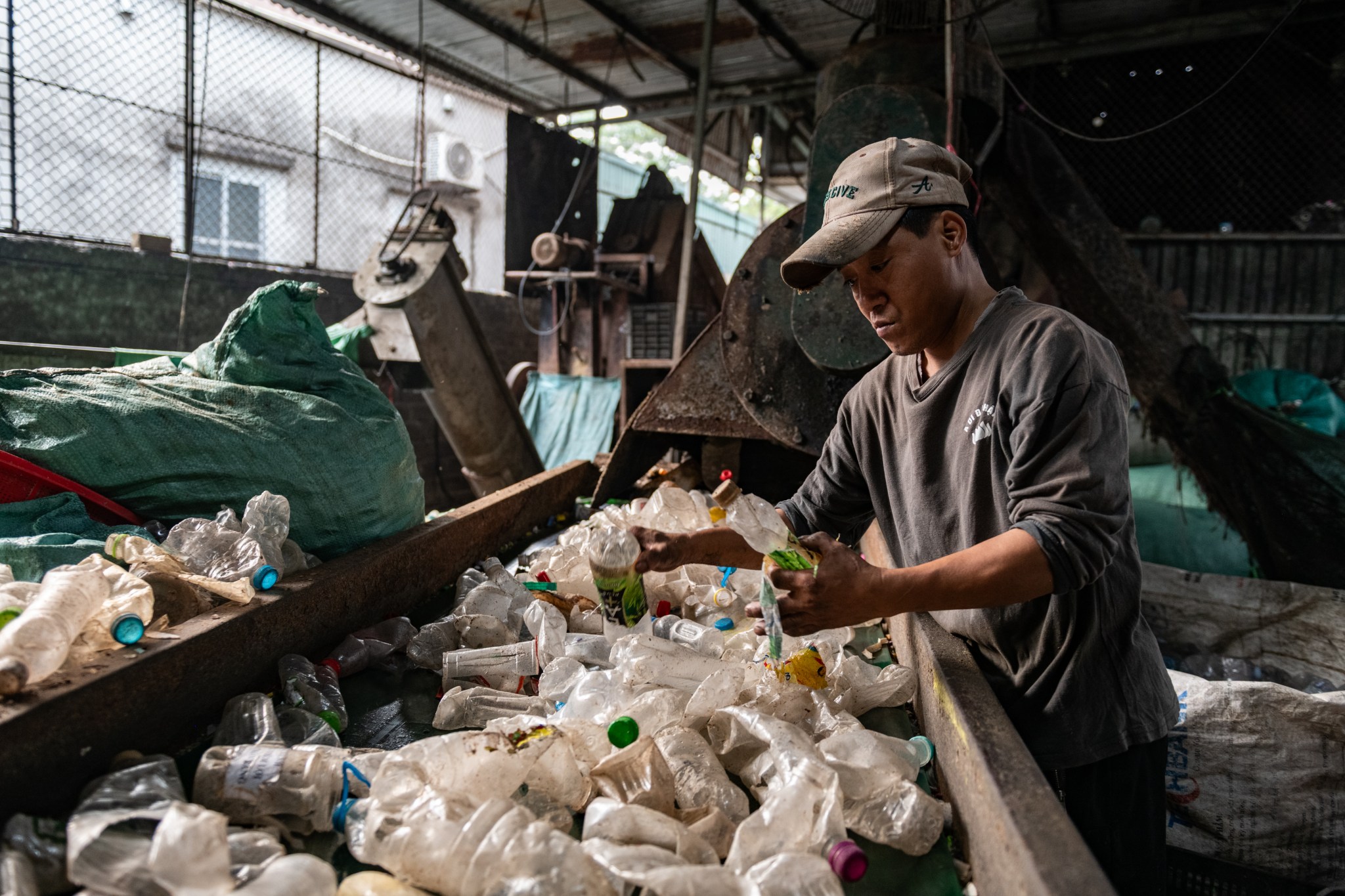
The ongoing conflict involving Iran has precipitated a significant oil shock, leading to a widespread plastic shortage across Asia. This development is severely impacting industries that rely heavily on plastic, such as food production and medical equipment manufacturing.
The region's dependence on Middle Eastern oil, particularly naphtha, a crucial petrochemical feedstock, has made it vulnerable to such disruptions. Asian countries import about 70% of their naphtha from the Middle East, underscoring the critical nature of this supply chain.
Chen Ping-Kuo, a professor at Ritsumeikan Asia Pacific University, highlights that the stability of plastic as a fundamental industrial material has been compromised. The shortage is not confined to the petrochemical sector but is rapidly affecting various supply chains.
As the crisis deepens, industries are being forced to rethink their reliance on Middle Eastern sources, giving rise to the 'Middle East plus one' strategy. This approach involves diversifying supply chains to include additional sources beyond the Middle East.
Li Dong, a supply chain expert from Nanyang Technological University, warns that if the disruption persists for a year or more, industries will have to adapt significantly. This could involve restructuring supply chains and seeking alternative sources for essential materials.
The shift is likely to benefit countries like China and other producers not reliant on the Strait of Hormuz, as they may gain increased influence in the global market. The plastic shortage is a direct consequence of the ongoing Iran war, which has disrupted oil supplies and, by extension, the production of petrochemicals.
As industries grapple with the shortage, the need for a more resilient and diversified supply chain becomes increasingly apparent. The current situation serves as a stark reminder of the vulnerabilities inherent in over-reliance on a single region for critical resources.
The broader implications of this shortage are significant, affecting not only industrial production but also consumer goods availability and prices. As the situation evolves, industries and governments alike are being prompted to reassess their strategic dependencies and explore new partnerships and supply routes.
In the coming months, the focus will likely be on how quickly industries can adapt to these changes and whether alternative supply chains can be established to mitigate the impact of the ongoing conflict. The outcome of these efforts will have lasting effects on the global industrial landscape and the balance of economic power in the region.
- Asian industries, particularly in food production and medical equipment, are facing severe disruptions due to the plastic shortage, affecting production and availability of essential goods.
- Countries like China, which are less dependent on Middle Eastern oil, stand to gain influence as industries seek alternative supply sources.
- The shortage highlights the vulnerabilities of relying heavily on a single region for critical resources, prompting a strategic reevaluation of supply chains.
- Whether Asian industries can establish alternative supply chains within the next year.
- The potential increase in influence of non-Hormuz-dependent producers like China in the global market.
- The impact of the plastic shortage on consumer goods prices and availability in Asia over the coming months.
- No source mentions the specific impact on consumer prices due to the plastic shortage.
- The broader geopolitical implications of the supply chain shift are not detailed in the source.
- Chen Ping-Kuo states that the stability of plastic as an industrial material has been shaken.
- Li Dong suggests that prolonged disruptions could lead to forced adaptations in supply chains.