
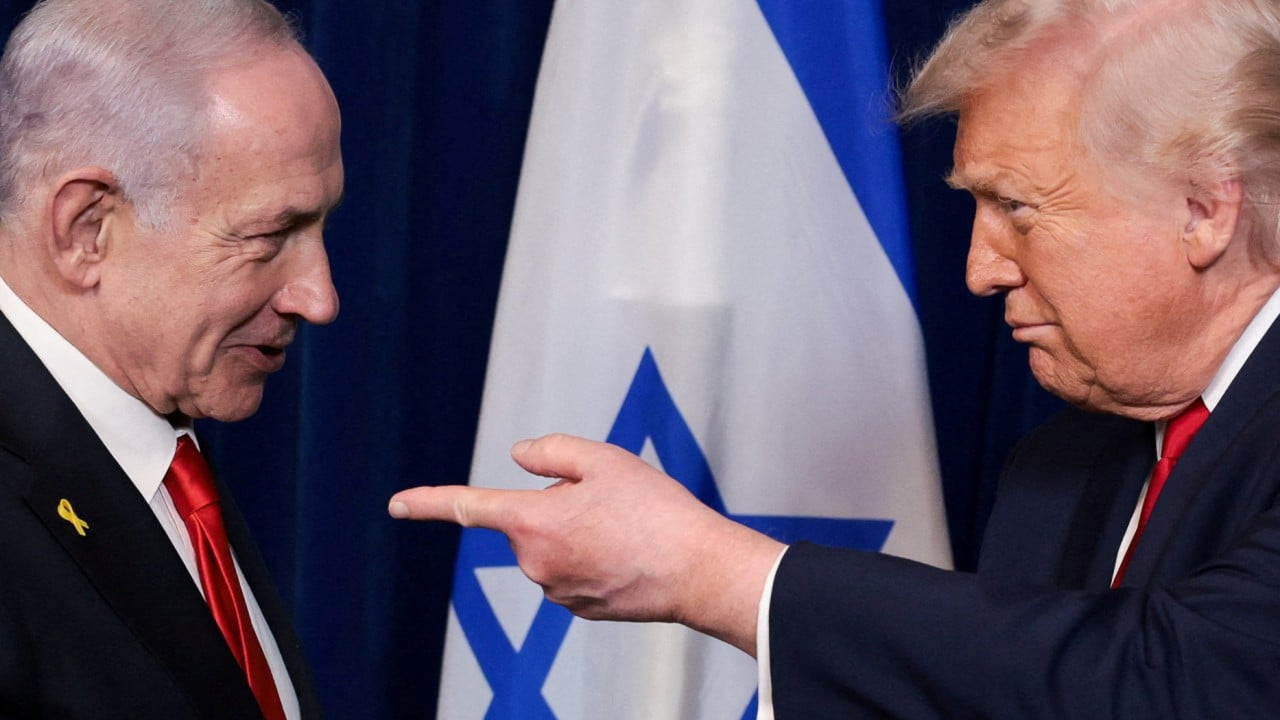
Pak sends new Iranian peace proposal to US - . Reporting is limited at this stage.
Topic: geopoliticsRegion: asia pacificUpdated: i6 outletsSources: 35⚠ Bias gap — sources divergeSpectrum: Mostly Center⏱ 5 min read📡 Wire pickup: 3⚠ 3d+ old
Story Summary
SITUATION
Iran has submitted a new 14-point proposal to the US through Pakistan, aiming to end the ongoing war. While US President Donald Trump acknowledges progress in negotiations, he has cautioned against rushing into a deal.
Coveragetap to expand ▾Spectrum: Mostly Center🌍Other: 13 · Asia: 7 · US: 5 · ME: 3 · Europe: 2 · Africa: 1
Political Spectrum
Position is inferred from coverage mix.
i6 outlets · Center
Left
Center
Right
Left: 5
Center: 26
Right: 0
Geography Coverage
Distribution of where coverage is coming from.
i6 unique outlets · Dominant: Global
KEY FACTS
- Trump seeks Arab-Israeli peace deals after Iran war, report says
- Trump says US won't rush into a peace deal with Iran
- Trump says US won't rush into a peace deal with Iran Trump says US won't rush into a peace deal with Iran The US and Iran are inching closer to a peace deal, but Donald Trump says he is not rushing to sign an agreement.
- The US and Iran are inching closer to a peace deal, but Donald Trump says he is not rushing to sign an agreement.
HISTORICAL CONTEXT
The diplomatic exchanges between the United States and Iran regarding Iran's review of the US response to its 14-point proposal are deeply embedded in a complex web of geopolitical tensions and strategic maneuvering that have defined US-Iran relations for decades.
The immediate backdrop to this situation is the fragile ceasefire brokered by Pakistan, which came into effect on April 8, 2026. This ceasefire was a response to the escalating military confrontations between the US, Israel, and Iran, which had intensified since early 2026.
Brief
Iran has recently submitted a new 14-point proposal to the United States through Pakistan, seeking to end the ongoing war that has escalated since February 2026. The proposal emphasizes immediate cessation of hostilities while postponing discussions on Iran's nuclear program, reflecting Tehran's strategic approach to negotiations.
US President Donald Trump has acknowledged the progress in talks but cautioned against rushing into a deal, indicating a desire for a more measured approach. This caution comes amid concerns voiced by Iran's chief negotiator regarding what they describe as excessive demands from the US, which could threaten the fragile peace process.
Pakistan's involvement as a mediator has been highlighted, with army chief Asim Munir playing a key role in facilitating dialogue between the two nations. Despite the ongoing discussions, Trump has made it clear that no agreement will be signed imminently, suggesting a complex and potentially protracted negotiation process ahead.
The situation remains tense, with both sides navigating a landscape marked by military actions and diplomatic efforts.
Where sources differ
Bias gap0.65 / 2.0
Left- and right-leaning outlets are covering this story differently — in which facts to emphasize, which context to include, and how to frame causes and consequences.
Left-leaning (5)
scmp_world-0.80
Why Trump’s draft peace pact with Iran threatens Netanyahu’s Middle East plans Why Trump’s draft peace pact with Iran threatens Netanyahu’s Middle East plans Why Trump’s draft peac…
straits_times-0.80
Many questions, few details in latest Iran peace proposal It is too early to tell exactly what Mr Trump and Iran have agreed to, or if they have agreed to much at all. The US leade…
arabnews.com-0.30
Trump says US, Iran nearing peace deal after talks involving Pakistan army chief Trump says US, Iran nearing peace deal after talks involving Pakistan army chief - Arab News
nytimes.com-0.30
Trump Weighs His Options in Carrying Out New Strikes in Iran - The New York Times. Reporting is limited at this stage.
sydney_morning_herald-0.15
Trump says US won't rush into a peace deal with Iran Trump says US won't rush into a peace deal with Iran The US and Iran are inching closer to a peace deal, but Donald Trump says …
Center (26)
middleeastmonitor.combbc.comabc_australiamoroccoworldnews.comaljazeera.comapnews.comdigitaljournal.comchannel_news_asiafacebook.commsn.comndtvprofit.comksl.commodernghana.comnbsla.careuters.comdw.comtimesofindia.indiatimes.comrisingkashmir.comnytimes.comaol.comreuters.comaa.com.trmsn.comdailypost.ngindiatoday.ingulftoday.ae
Sources
31 of 31 linked articles
Trump seeks Arab-Israeli peace deals after Iran war, report says
middleeastmonitor.comMay 25Left
↗
Why Trump’s draft peace pact with Iran threatens Netanyahu’s Middle East plans
scmp.comMay 25Left
↗
Trump tells US negotiators 'not to rush' into deal with Iran
bbc.comMay 25Left
↗
Trump says 'not to rush into a deal' as potential Iran agreement emerges
abc.net.auMay 24Center
↗
Trump Says Iran Deal Is ‘Largely Negotiated’
moroccoworldnews.comMay 24Left
↗
Trump says US won't rush into a peace deal with Iran
smh.com.auMay 24Center
↗