
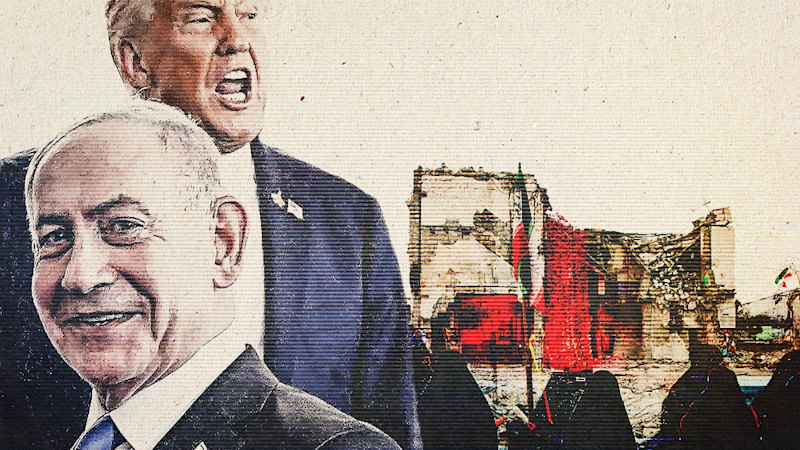
Iran Launches Missile Strikes on Israel, Escalating Ongoing Conflict
Coveragetap to expand ▾Spectrum: Mostly Center🌍US: 2 · Other: 2 · Asia: 1
- On February 28, 2026, Iran launched missile strikes targeting Israeli interests, marking a significant escalation in the ongoing conflict.
- The missile strikes were part of Iran's response to perceived threats from the United States and Israel, which had been increasing since 2024.
- The U.S. and Israel initiated coordinated military actions against Iran in response to its growing military capabilities and aggressive posturing.
- In a call on March 1, 2026, U.S. President Donald Trump urged Israeli Prime Minister Benjamin Netanyahu to halt military operations in Lebanon to avoid jeopardizing negotiations with Iran.
- Iran's missile attacks are seen as a calculated risk, with Iranian leaders demanding concessions from the U.S. amid the ongoing conflict.
Iran's recent missile strikes on Israel mark a significant escalation in the ongoing conflict that began with the US and Israel's military offensive against Iran on February 28, 2026. This bold action by Iran is interpreted as a demonstration of confidence, as its leaders appear willing to risk punitive retaliation and a return to all-out war.
The missile assault comes amid a backdrop of complex negotiations, with US President Donald Trump reportedly advising Israeli Prime Minister Benjamin Netanyahu to restrain military actions in Lebanon to facilitate potential diplomatic discussions with Iran.
This suggests a shift in dynamics, where Iran is now positioning itself to make demands rather than merely responding to external pressures. The missile strikes indicate that Iran is not breaking under pressure but is instead asserting its own strategic interests in the region.
As the conflict continues, the implications of these actions could lead to further military engagements and a re-evaluation of diplomatic strategies by the involved parties.
- The missile strikes by Iran on Israel mark a significant escalation in hostilities that could jeopardize the fragile security of civilians in both nations, particularly in northern Israel where residents face immediate threats to their safety.
- This aggressive posture from Iran not only risks provoking a military response from Israel but also complicates U.S. diplomatic efforts, as President Trump’s attempts to negotiate with Iran may be undermined by the perception of weakness in the face of aggression.
- As tensions rise, the humanitarian situation for those caught in the crossfire could deteriorate, leading to increased displacement and suffering among affected populations.
- The Israeli government is expected to convene an emergency security cabinet meeting within the next 48 hours to discuss potential military responses and strategies in light of the missile strikes.
- Iran's leadership may announce further military actions or retaliatory measures within the next week, signaling their commitment to supporting allied groups in the region.
- The United States is likely to reassess its military presence in the region and could deploy additional naval assets to the Eastern Mediterranean within the next month.
- The United Nations Security Council will hold an emergency session within 72 hours to address the escalating conflict and may propose a resolution aimed at de-escalation.
- Regional allies of Israel, such as Saudi Arabia and the UAE, may issue statements or take diplomatic actions within the next week to reaffirm their stance on the conflict and support for Israel.