
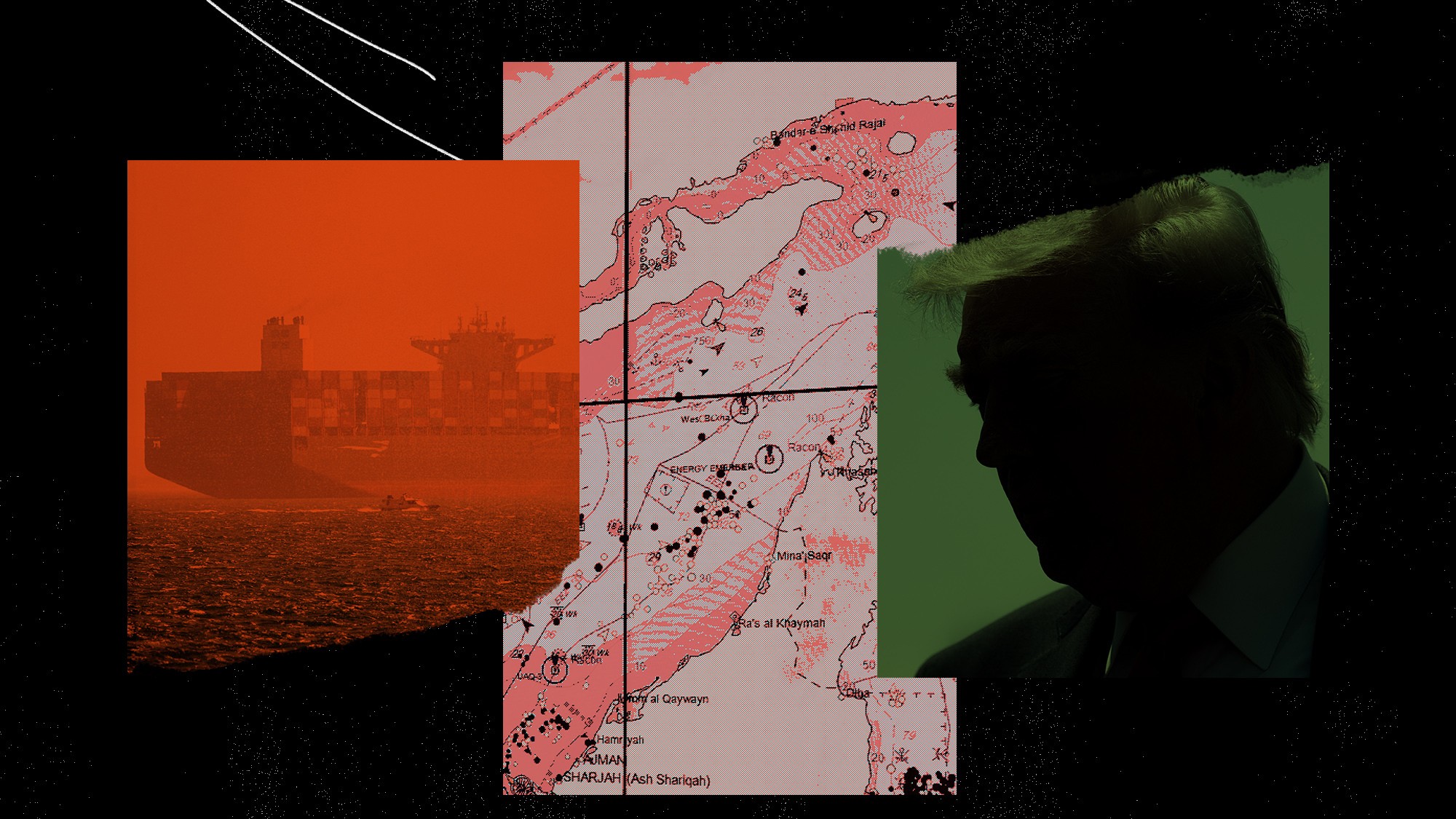
Iran's Strategic Gains Signal U.S. Defeat in Ongoing Conflict
Coveragetap to expand ▾Spectrum: Left Only🌍US: 1
- The United States is experiencing a total defeat in its conflict with Iran (per The Atlantic).
- The roles of China and Russia as Iran's allies have been strengthened due to the conflict (per The Atlantic).
- The conflict has revealed the United States as unreliable and incapable of achieving its objectives (per The Atlantic).
The ongoing conflict between the United States and Iran has reached a critical juncture, with the U.S. facing a significant strategic defeat that could reshape its influence in the Middle East. As the U.S. military campaign falters, Iran is poised to emerge as a dominant force in the region, particularly with its control over the vital Strait of Hormuz.
This shift not only undermines U.S. interests but also enhances the positions of Iran's allies, notably China and Russia, who are likely to benefit from a more assertive Iranian government. The implications of this defeat are profound; there is no prospect of returning to the previous state of affairs, and the U.S. is increasingly viewed as unreliable in its commitments.
While supporters of the conflict have touted American military prowess, the reality on the ground suggests a stark contrast, with the U.S. struggling to achieve its objectives and facing a loss of credibility.
As Iran consolidates its power, the geopolitical landscape of the region is set to change dramatically, with potential repercussions for global energy markets and international relations.
- The U.S. military defeat in Iran diminishes American influence in the Middle East, affecting regional stability and security (per The Atlantic).
- Iran's control over the Strait of Hormuz could disrupt global oil supplies, impacting economies reliant on this route (per The Atlantic).
- China and Russia's strengthened roles as Iran's allies may shift the balance of power in international relations, particularly in energy markets (per The Atlantic).
- Whether the U.S. adjusts its military strategy in response to the ongoing conflict by June 2026.
- Any significant diplomatic engagements between Iran and its allies, China and Russia, regarding regional security by the end of May 2026.
- {"framing":[],"numbers":[],"causality":[],"attribution":[],"omitted_context":[],"disputed_or_unclear":[],"notable_quotes_or_claims":[]}