
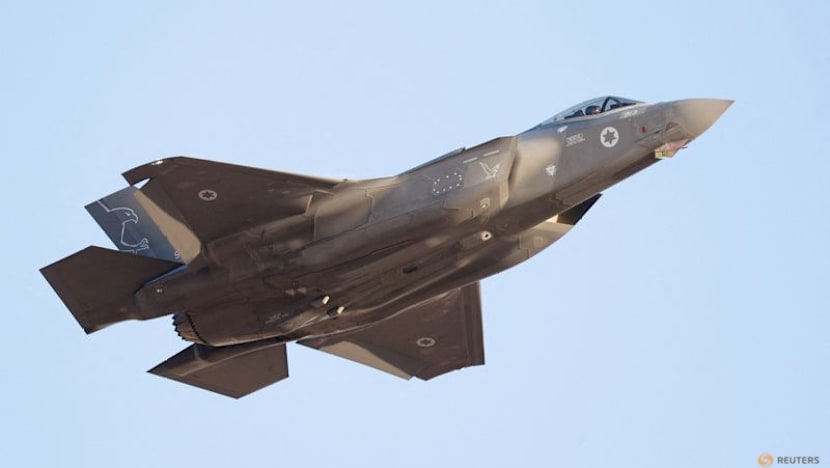
Israel Finalizes Purchase of F-35 and F-15IA Jets from US Firms
Coveragetap to expand ▾Spectrum: Center Only🌍Other: 3 · Asia: 1
- Israel approved the purchase of F-35 and F-15IA fighter jets from Lockheed Martin and Boeing (per japantimes.co.jp).
- This purchase is part of a broader 350 billion Israeli shekel ($119 billion) plan to enhance Israel's military readiness (per japantimes.co.jp).
- The new fighter squadrons will be integral to Israel's long-term military strategy (per japantimes.co.jp).
- The acquisition is intended to address regional threats and maintain Israel's air superiority (per japantimes.co.jp).
Israel has finalized a major arms deal to purchase advanced fighter jets from American defense contractors Lockheed Martin and Boeing. The deal, which involves the acquisition of F-35 and F-15IA aircraft, is valued at tens of billions of dollars and marks a significant step in Israel's strategic military planning.
Approved by Israel's Ministerial Committee on Procurement, this purchase is part of a larger 350 billion Israeli shekel ($119 billion) initiative aimed at strengthening the country's military capabilities over the next decade.
The new fighter squadrons are expected to play a crucial role in Israel's long-term defense strategy, particularly in addressing regional threats and preserving its air superiority. The decision to enhance Israel's air force comes amid ongoing regional security challenges.
By acquiring these advanced aircraft, Israel aims to ensure it remains equipped to handle potential threats in the Middle East. The F-35 and F-15IA jets are among the most advanced in the world, offering enhanced capabilities that are expected to significantly boost Israel's defense posture.
This acquisition underscores Israel's commitment to maintaining a technological edge in military capabilities, a priority given the complex security environment in the region. The deal also highlights the strong defense ties between Israel and the United States, with American companies playing a pivotal role in equipping the Israeli military.
While the purchase has been framed as a necessary step for national security, it also reflects broader geopolitical dynamics, including the strategic partnership between Israel and the United States. The deal is likely to have implications for regional power balances, as Israel continues to assert its military strength.
Overall, the approval of this arms deal represents a significant investment in Israel's future military readiness, ensuring that its defense forces remain capable of addressing evolving threats in a volatile region.
- The Israeli population bears the cost of this military expenditure, as the government allocates significant financial resources to defense rather than other public services.
- Lockheed Martin and Boeing benefit from this deal, securing a lucrative contract that reinforces their positions as leading defense contractors.
- Regional actors may perceive this military enhancement as a shift in power dynamics, potentially influencing their own defense strategies.
- Whether Israel's military strategy shifts in response to the new capabilities provided by the F-35 and F-15IA jets.
- The impact of this arms deal on regional security dynamics and potential responses from neighboring countries.
- Future procurement decisions by Israel's Ministerial Committee on Procurement as part of the broader military enhancement plan.
- No source mentions the specific regional threats that prompted this military enhancement.
- The broader geopolitical implications of the deal, particularly in relation to Iran, are not detailed.
- The economic impact on Israeli taxpayers and potential trade-offs with other public spending are not discussed.