
Israel strikes Lebanon with heaviest bombing in weeks, expands ground operations
Coveragetap to expand ▾Spectrum: Mostly Center🌍US: 2 · Europe: 2 · ME: 1 · Asia: 1
- On May 26, 2026, Israel conducted over 120 air strikes in Lebanon, marking the heaviest bombing in weeks.
- The Israeli military announced the expansion of ground operations in Lebanon following the air strikes.
- The air strikes resulted in the deaths of at least 31 people and injuries to 40 others, according to Lebanon's health ministry.
- The bombing raids further strained a ceasefire that was established on April 16, 2026, between Israel and Hezbollah.
- Israeli strikes targeted areas across southern and eastern Lebanon, as reported by Lebanese security sources.
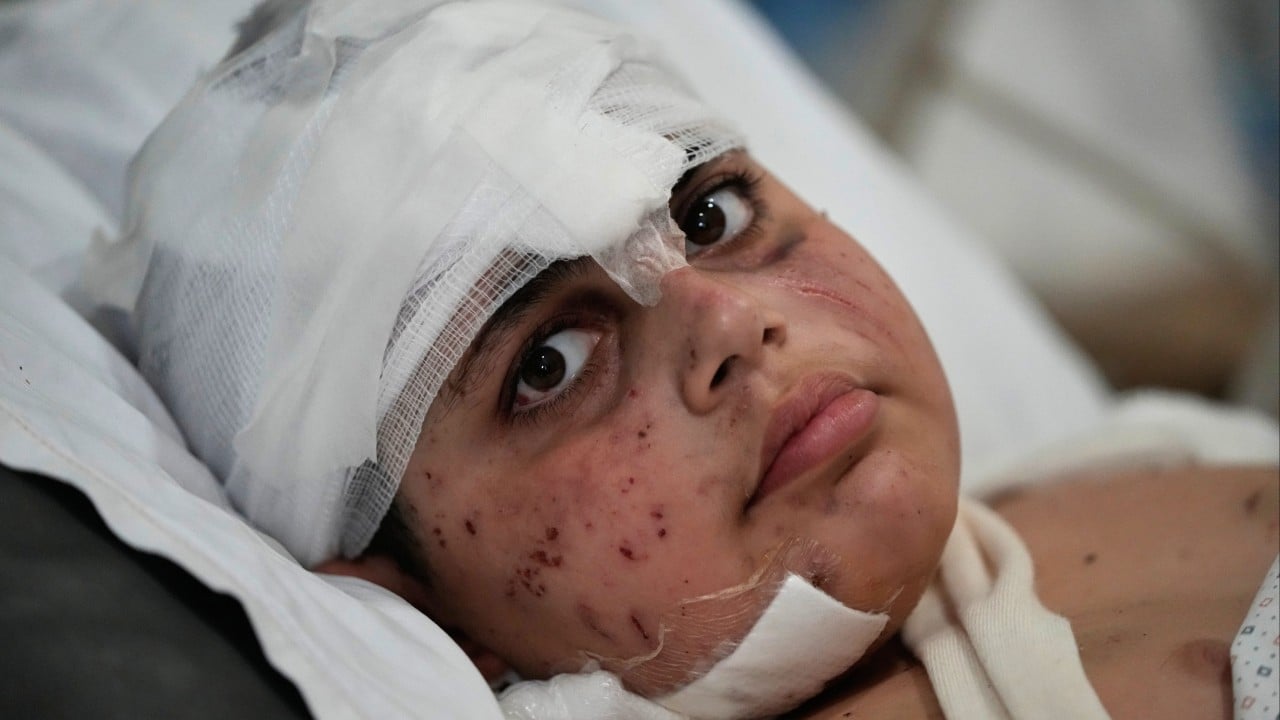
- Among the casualties, 14 people were killed in the town of Burj al-Shamali, including two children and three women.
On May 26, 2026, Israel launched over 120 air strikes across southern and eastern Lebanon, marking one of the most intense days of bombing in recent weeks. The strikes resulted in the deaths of at least 31 individuals, including two children and three women, according to Lebanese health officials.
This military escalation comes as Israeli Prime Minister Benjamin Netanyahu announced a deepening of ground operations in Lebanon, further straining a ceasefire that had been established on April 16, 2026, to halt hostilities between Israel and the Lebanese armed group Hezbollah.
The strikes reportedly targeted significant locations, including the historic Beaufort Castle and the Qaraoun Dam, which is Lebanon's largest water reservoir.
While Israel's military actions are framed as necessary for national security, the Lebanese government and various humanitarian organizations have condemned the attacks, highlighting the civilian toll and the destruction of critical infrastructure.
The situation remains tense as both sides prepare for potential further escalations in the conflict, which has roots in the broader regional instability exacerbated by ongoing military actions since the onset of the current conflict in March 2026.
- The recent escalation of Israeli airstrikes in Lebanon, resulting in significant civilian casualties, directly impacts the already vulnerable population in southern Lebanon, particularly in areas like Burj al-Shamali, where families are mourning the loss of loved ones, including children.
- This intensification of military operations not only undermines the fragile ceasefire but also exacerbates humanitarian crises, as displaced families face increased insecurity and limited access to essential services.
- Furthermore, the ongoing violence could provoke a stronger response from Hezbollah, potentially leading to a wider conflict that disrupts regional stability and complicates international diplomatic efforts in the area.
- Watch for a potential response from Hezbollah, which may escalate its military actions in southern Lebanon within the next 72 hours following Israel's intensified strikes.
- Monitor the United Nations Security Council's response, as a meeting is expected to be convened within the week to discuss the deteriorating situation and the viability of the current ceasefire.
- Keep an eye on Israeli Prime Minister Benjamin Netanyahu's upcoming address, scheduled for next week, where he may outline further military strategies or diplomatic efforts regarding Lebanon.
- Anticipate statements from the U.S. State Department, which is likely to issue guidance on its position regarding the conflict before the June summit of Middle Eastern leaders.
- Observe the reactions from regional allies of Lebanon, particularly Iran, which may announce support measures or military aid within the next month in response to Israel's actions.