
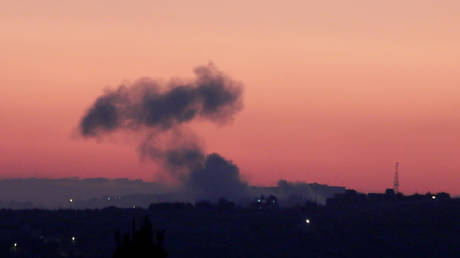
Israeli military targeting first responders in southern Lebanon (VIDEO)
Coveragetap to expand ▾Spectrum: Mostly Center🌍Other: 3 · US: 1 · Europe: 1
- The Israeli military is targeting rescue workers in and around the city of Nabatieh as it expands its offensive into southern Lebanon, RT correspondent Ali Rida Sbeity reported from the ground on Monday.
The Israeli military has been reported to target rescue workers in and around the city of Nabatieh, escalating its offensive in southern Lebanon. This targeting has resulted in multiple fatalities among first responders, raising serious concerns about the safety of those attempting to assist victims of the ongoing conflict.
According to RT correspondent Ali Rida Sbeity, rescue teams have faced attacks several times as they work to search for survivors amid the destruction. The Israeli Defense Forces (IDF) are deepening their military operations in the region, which has led to increased violence and instability.
The situation reflects a broader pattern of military engagement that has seen civilian and humanitarian efforts increasingly endangered. While the Israeli government has not publicly commented on the specific targeting of first responders, the ongoing military campaign has drawn criticism for its impact on civilian safety.
As the conflict continues, the humanitarian implications of these military actions remain dire, with rescue workers caught in the crossfire of a rapidly deteriorating situation.
- The Israeli military's targeting of rescue workers in southern Lebanon exacerbates the humanitarian crisis in the region, as these first responders play a crucial role in providing aid to civilians affected by the ongoing conflict.
- With fatalities among rescue teams, the ability to deliver essential medical care and support is severely compromised, leaving injured civilians without timely assistance.
- This escalation not only endangers the lives of those directly involved in rescue operations but also deepens the suffering of the local population, potentially leading to increased displacement and further destabilization of the region.
- Monitor the response from the Lebanese government regarding potential diplomatic measures against Israeli actions, expected within the next 48 hours.
- Watch for statements from the United Nations concerning humanitarian access to affected areas, anticipated within the next week.
- Keep an eye on the reactions from international human rights organizations, which are likely to issue reports or condemnations within the next 72 hours.
- Observe any changes in military posture from Hezbollah, particularly any announcements about troop movements or retaliatory actions within the next few days.
- Track developments in Israeli domestic politics, especially any discussions about the military strategy in Lebanon, expected during the upcoming Knesset sessions this week.
Left- and right-leaning outlets are covering this story differently — in which facts to emphasize, which context to include, and how to frame causes and consequences.