
This is the time to tell our friend, President Trump—’no,'” he said in a post on X.
Coveragetap to expand ▾Spectrum: Mostly Right🌍US: 3 · ME: 2 · Other: 1
- Prime Minister, you said that a strong prime minister tells the President of the United States—’yes’ when possible, and ‘no’—when necessary.
- “Now is the time to do what is required and necessary to strike Hezbollah, to unleash the hands of our fighters, and to restore security to the north,” he added.
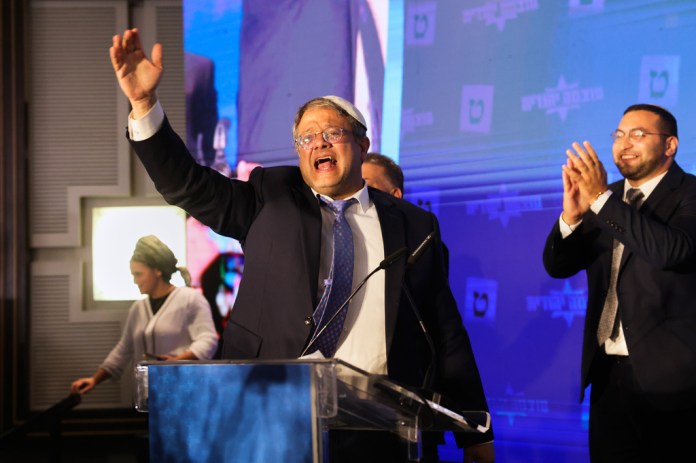
Israeli Security Minister Itamar Ben Gvir has publicly urged Prime Minister Benjamin Netanyahu to reject the pressure from President Donald Trump regarding military operations in Lebanon. This statement comes in the wake of Netanyahu's controversial decision to cancel a planned strike in Lebanon, which has drawn criticism from various sectors within Israel.
Ben Gvir's remarks highlight a growing dissent among Israeli officials who are increasingly uncomfortable with Trump's influence on their military strategies. The cancellation of the strike has not only raised eyebrows but has also led to a broader discussion about the autonomy of Israeli defense policy in the face of U.S. demands.
As tensions continue to simmer in the region, the Israeli government is grappling with internal divisions over how to respond to threats from Lebanon, particularly from Hezbollah. The current situation underscores the complexities of Israeli defense policy as it navigates external pressures while trying to maintain national security.
- The Prime Minister's call for a decisive military response against Hezbollah underscores the urgent need for Israel to secure its northern borders amid escalating tensions with Iran.
- This strategy directly impacts Israeli citizens living near the Lebanon border, who face increased threats to their safety and daily lives.
- A successful military operation could restore a sense of security for these communities, but failure to act may embolden Hezbollah and further destabilize the region, leading to more frequent and severe conflicts.
- President Biden is expected to address the nation regarding his administration's stance on Trump's recent comments within the next 48 hours.
- Congressional leaders will hold a press conference on proposed legislation related to election integrity before the end of the week.
- The Republican National Committee is set to release a statement on Trump's influence in the upcoming primaries within the next 72 hours.
- Key Senate committees will schedule hearings on campaign finance reform in the next two weeks, potentially influenced by recent political developments.
- Major media outlets are planning a series of debates and discussions on Trump's impact on the GOP, starting next month.
Left- and right-leaning outlets are covering this story differently — in which facts to emphasize, which context to include, and how to frame causes and consequences.