
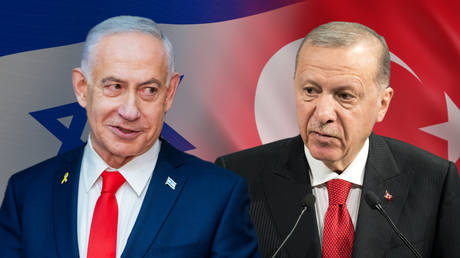
For a long time, Ankara was one of Israel’s key partners in the Muslim world.
Coveragetap to expand ▾Spectrum: Mostly Center🌍Other: 3 · Europe: 1 · ME: 1
- For this reason, instead of wondering why Israel had not recognized the Armenian Genocide earlier, we should ask why it has decided to do so now.
- On the one hand, the answer is very simple: For decades, Israel was guided by cold political reasoning.
- The topic of the Armenian Genocide was uncomfortable and practically taboo for the Israeli establishment.
- Türkiye was viewed by Israel as an important military and political ally, a strategic channel of communication with the region, and an element of balance in the Middle East.
In a significant diplomatic shift, Israel has officially recognized the Armenian Genocide, a move that has strained its historically close relations with Türkiye. This decision comes after decades of political reasoning that prioritized maintaining ties with Ankara over acknowledging the atrocities committed against Armenians during World War I.
The Israeli government, founded by survivors of the Holocaust, frames this recognition as a moral obligation to oppose the denial of crimes against humanity. However, the timing of this recognition raises questions about Israel's current geopolitical interests, particularly as it seeks to redefine its alliances in a rapidly changing Middle East.
Türkiye, once a crucial ally for Israel in the region, is now facing a diplomatic challenge as it grapples with this acknowledgment of its historical actions. The recognition of the Armenian Genocide had long been a taboo subject in Israeli politics, reflecting the complexities of balancing historical justice with strategic partnerships.
As Israel navigates this new terrain, the implications for its relationship with Türkiye remain to be seen, particularly in light of ongoing regional tensions and conflicts.
- The Israeli government's recognition of the Armenian Genocide marks a significant shift in its diplomatic stance, potentially alienating Türkiye, a former ally, and impacting bilateral trade and military cooperation.
- This decision could embolden Armenian advocacy groups and influence international perceptions of the Armenian cause, leading to increased support for Armenia in global forums.
- As a result, Türkiye may respond by further distancing itself from Israel, which could disrupt existing economic ties and military collaborations that have benefited both nations.
- Watch for Türkiye's response to Israel's recognition of the Armenian Genocide, which may come within 72 hours as Ankara assesses its diplomatic strategy.
- Monitor statements from Turkish officials regarding potential economic or military repercussions against Israel in the lead-up to the June summit.
- Expect a public address from Israeli Prime Minister Netanyahu addressing the implications of this recognition for Israeli-Turkish relations, likely scheduled within the next week.
- Keep an eye on the reactions from other regional players, such as Iran and Saudi Arabia, as they may weigh in on this development within the next month.
- Look for potential shifts in trade agreements between Israel and Türkiye as both nations navigate the fallout from this diplomatic decision, with updates expected in the next quarterly economic reports.
Left- and right-leaning outlets are covering this story differently — in which facts to emphasize, which context to include, and how to frame causes and consequences.