
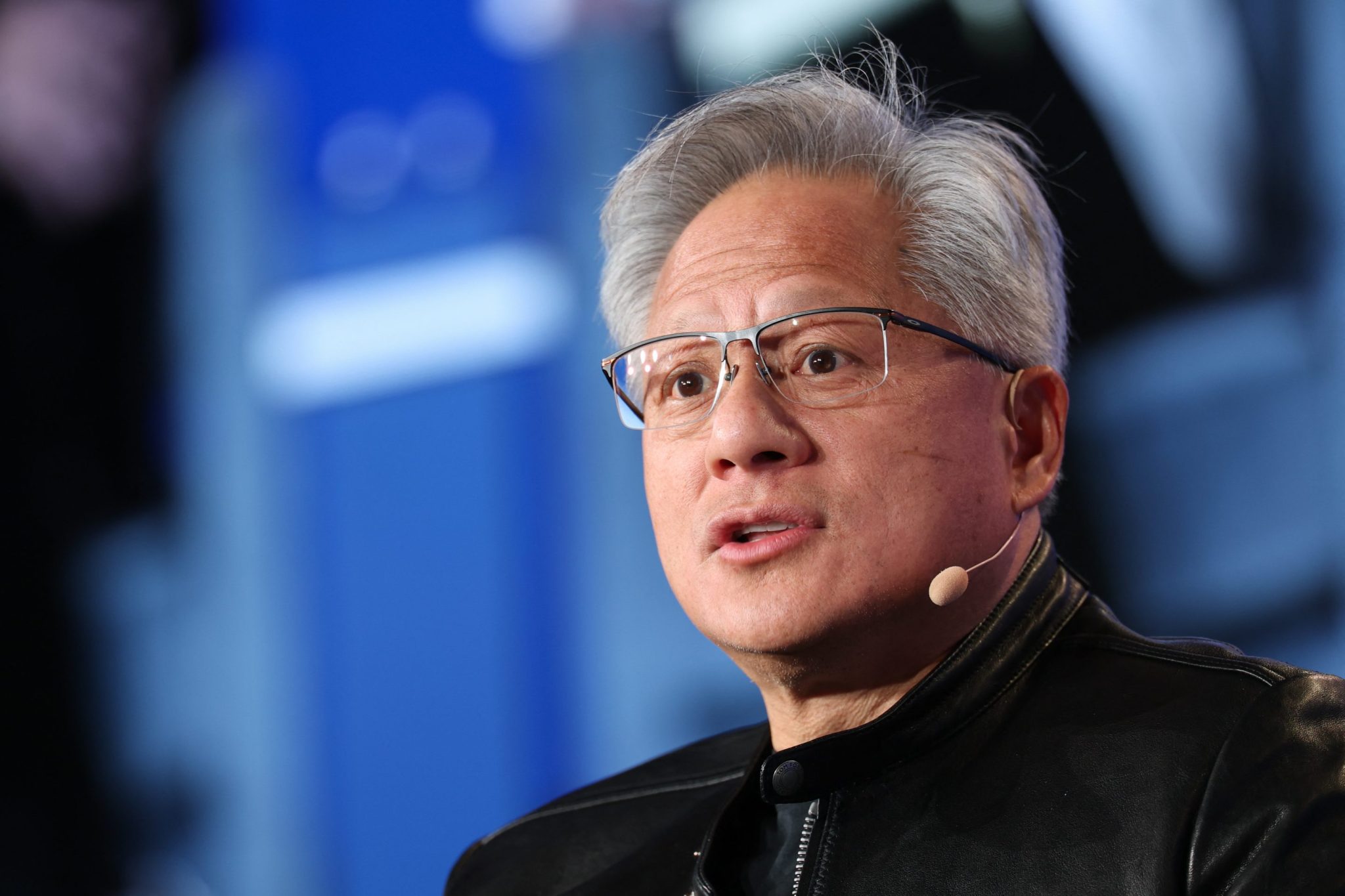
Electricians, plumbers, iron workers, technicians, builders—this is your time,” Huang said.
Coveragetap to expand ▾Spectrum: Center Only🌍Other: 1
- Jensen Huang stated, 'This is your time,' highlighting the urgent need for skilled tradespeople as the AI industry expands.
- The demand for construction workers has surged by 30%, according to a report by Fortune.
- Welders are experiencing a 25% increase in demand, as reported by Fortune.
- Electricians are seeing an 18% rise in demand, according to the same report from Fortune.
- This surge in demand for skilled trades is occurring within the broader context of Defense & Security activities in North America.
Jensen Huang, CEO of Nvidia, has issued a rallying cry for skilled tradespeople, asserting that the ongoing AI boom presents unprecedented opportunities for electricians, plumbers, and other manual laborers.
Speaking at Carnegie Mellon University, Huang emphasized that the expansion of artificial intelligence is not merely reshaping the tech landscape but is also ushering in a new industrial era that demands a robust workforce to build and maintain the necessary infrastructure.
He highlighted that the demand for construction workers has surged by 30%, while welders and electricians are seeing increases of 25% and 18%, respectively.
This trend underscores a significant shift in job opportunities, with industry leaders suggesting that the most lucrative roles may not be those directly involved in AI development but rather those in the trades that support its physical requirements.
The rapid growth of AI technologies is creating a labor shortage in skilled trades, making it a critical moment for individuals in these professions to seize the moment.
Huang's message reflects a broader recognition within the industry that skilled trades are essential to the future of AI, as the sector's expansion necessitates a strong foundation of manual labor to support its infrastructure needs.
- The surge in demand for skilled tradespeople, as highlighted by Jensen Huang, signifies a critical shift in the labor market, particularly for electricians, plumbers, and welders.
- This increased demand not only offers lucrative job opportunities for these workers but also plays a vital role in supporting the rapid expansion of the AI industry and infrastructure development in North America.
- As companies ramp up their operations, the shortage of skilled labor could lead to project delays and increased costs, impacting the overall efficiency and competitiveness of the sector.
- Watch for major construction firms to announce new hiring initiatives within the next 30 days to address the growing demand for skilled tradespeople.
- Expect industry associations to launch training programs for electricians and plumbers in the next quarter, aimed at bridging the skills gap highlighted by Huang.
- Keep an eye on state and federal governments proposing incentives for vocational training programs before the upcoming legislative sessions.
- Look for tech companies to partner with trade schools within the next six months to create specialized programs for workers transitioning into the AI sector.
- Anticipate a surge in job postings for construction-related roles on major employment platforms over the next two weeks, reflecting the increased demand.