
Alaska Judge Permits Helicopter Bear Culling to Protect Caribou Herd
Coveragetap to expand ▾Spectrum: Center Only🌍US: 1 · Other: 1
- The Mulchatna caribou herd's population began declining in the late 1990s and early 2000s, reaching around 13,000 animals by 2019 (per fortune.com).
- The caribou population was estimated to be around 16,280 last year, according to the state Department of Fish and Game (per fortune.com).
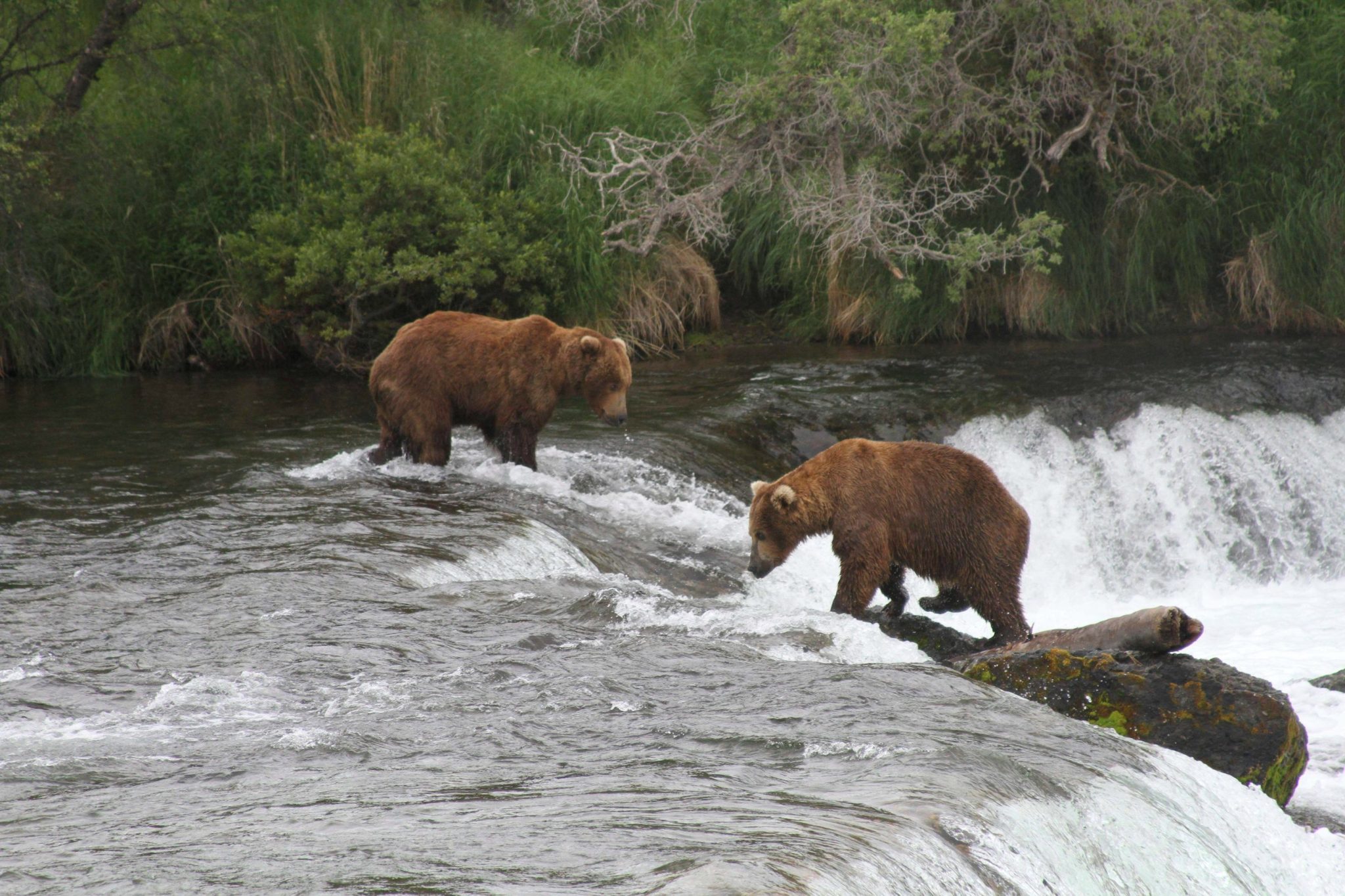
- The state of Alaska killed 180 bears from 2023 to 2024, most of them brown bears, and 11 more last year (per fortune.com).
- Conservation groups filed a lawsuit arguing against the bear culling plan, but the judge found the state's actions reasonable (per fortune.com).
- The timing of the ruling is crucial as the caribou herd is expected to begin calving soon (per fortune.com).
- The caribou herd was once an important food source for Alaska Native hunters (per fortune.com).
In a recent ruling, Superior Court Judge Adolf Zeman authorized Alaska wildlife agents to resume shooting bears from helicopters as part of a strategy to protect the Mulchatna caribou herd. This decision comes after the herd experienced a significant population decline, dropping to around 13,000 animals by 2019.
The caribou population has shown some recovery, with an estimated 16,280 animals last year, but remains vulnerable as calving season approaches. The state of Alaska has been actively managing predator populations to support the caribou's recovery. Between 2023 and 2024, wildlife agents killed 180 bears, primarily brown bears, and an additional 11 bears last year.
This culling strategy has faced opposition from conservation groups, who argue that the plan lacks a reasonable basis. However, Judge Zeman ruled in favor of the state, stating that the actions were justified given the circumstances. The Mulchatna caribou herd holds cultural and subsistence importance for Alaska Native hunters, making its recovery a priority for the state.
The herd's decline began in the late 1990s and early 2000s, prompting wildlife management efforts to stabilize and increase its numbers. The recent court decision underscores the state's commitment to these efforts, despite ongoing legal challenges.
Conservation groups have expressed concern over the impact of bear culling on the ecosystem, arguing that it disrupts natural predator-prey dynamics. They contend that alternative conservation measures should be considered to protect the caribou without resorting to lethal methods.
Nevertheless, the state's Department of Fish and Game maintains that predator control is a necessary component of their wildlife management strategy. The ruling highlights the tension between wildlife conservation objectives and the methods employed to achieve them.
As the caribou herd approaches calving season, the state's actions will be closely monitored to assess their effectiveness in supporting the herd's recovery. This case exemplifies the broader challenges faced by wildlife management agencies in balancing ecological preservation with species-specific conservation goals.
The outcome of this legal battle may influence future wildlife management policies in Alaska and beyond.
- Alaska Native hunters rely on the Mulchatna caribou herd for subsistence, making its recovery vital for their food security.
- Conservation groups argue that bear culling disrupts natural ecosystems, potentially harming biodiversity in the region.
- The state's decision to resume bear culling reflects broader wildlife management strategies that prioritize specific species recovery over ecosystem balance.
- Whether Alaska wildlife agents increase bear culling efforts during the caribou calving season.
- Potential appeals or further legal challenges from conservation groups against the judge's ruling.
- Monitoring of the Mulchatna caribou herd's population trends following the resumed bear culling.
- fortune.com provides detailed population estimates for the caribou herd, while news.google.com focuses on the legal ruling without specific numbers.
- The effectiveness of bear culling in aiding caribou recovery remains debated among conservationists and wildlife managers.
- No source mentions the potential long-term ecological impacts of predator control on Alaska's wildlife ecosystems.