
The ISW’s assessments suggest Ukrainian gains are growing.
Topic: geopoliticsRegion: north americaUpdated: i2 outletsSources: 2⚠ Bias gap — sources divergeSpectrum: MixedFiltered: US/Canada (1/2)· Clear⏱ 4 min read⚠ 48h+ old
Story Summary
SITUATION
Ukraine reclaims territory as it doubles attacks on Russian logistics Ukraine reclaims territory as it doubles attacks on Russian logistics Ukraine said it reclaimed more of its territory than it lost during May, reversing a Russian trend of monthly net gains. “The ratio of liberated and lost territories is almost 100 square kilometres (40 square miles) in our favour,” wrote Ukrainian commander-in-chief Oleksandr Syrskii on his Telegram messaging channel.
Coveragetap to expand ▾Spectrum: Mixed🌍US: 1 · ME: 1
Political Spectrum
Position is inferred from coverage mix.
i2 outlets · Center
Left
Center
Right
Left: 1
Center: 0
Right: 1
Geography Coverage
Distribution of where coverage is coming from.
i2 unique outlets · Dominant: US/Canada
KEY FACTS
- “The ratio of liberated and lost territories is almost 100 square kilometres (40 square miles) in our favour,” wrote Ukrainian commander-in-chief Oleksandr Syrskii on his Telegram messaging channel.
- Ukraine said it reclaimed more of its territory than it lost during May, reversing a Russian trend of monthly net gains.
- The ISW believed Ukraine actually reversed Russian gains in April, when it estimated Moscow’s gains at 28 sq km (11 sq miles) of Ukrainian land and lost 116 sq km (45 sq miles).
HISTORICAL CONTEXT
The ongoing conflict between Ukraine and Russia, which escalated dramatically following Russia's full-scale invasion on February 24, 2022, remains a critical geopolitical issue as of June 2026. This invasion was preceded by years of tensions, particularly following Russia's annexation of Crimea in 2014 and its support for separatist movements in Eastern Ukraine.
In the wake of the 2022 invasion, Ukraine received substantial military and financial support from Western nations, including the United States, which aimed to bolster Ukraine's defense against Russian aggression.
Brief
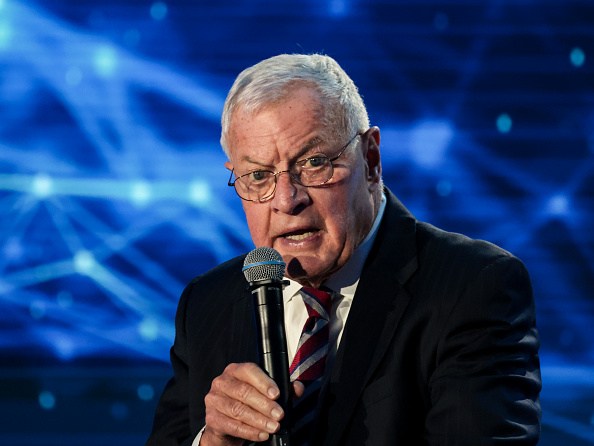
Keith Kellogg, a former special envoy to Ukraine, has voiced strong opposition to any peace negotiations that would require Ukraine to surrender territory not captured by Russian forces. Speaking at a briefing organized by the Independent Women’s Forum, Kellogg emphasized that such concessions would be 'pressing' and detrimental to Ukraine's sovereignty.
This stance marks a notable departure from former President Donald Trump's approach, who previously suggested ceding the Eastern Donbas region to Moscow despite Russian forces' inability to conquer it. Kellogg's advocacy for Ukraine aligns with his long-standing support for U.S. backing of the country since leaving the Trump administration in January.
His remarks come amid ongoing discussions about the future of Ukraine in light of the protracted conflict with Russia, raising questions about the implications of territorial concessions on Ukraine's sovereignty and security.
As the situation evolves, Kellogg's position reflects a broader concern among U.S. officials regarding the potential consequences of compromising Ukraine's territorial integrity in peace talks.
Where sources differ
Bias gap0.70 / 2.0
Left- and right-leaning outlets are covering this story differently — in which facts to emphasize, which context to include, and how to frame causes and consequences.
Left-leaning (1)
aljazeera_en-0.20
Ukraine reclaims territory as it doubles attacks on Russian logistics Ukraine reclaims territory as it doubles attacks on Russian logistics Ukraine said it reclaimed more of its te…
Right-leaning (1)
washington_examiner+0.70
“Such an outcome would not be prudence, it would be pressing. Keith Kellogg: US should not be okay with Ukraine giving up land to Russia Ukraine must not be forced to surrender any…
Sources
1 of 2 linked articles · Filter: US/Canada