
Kelp Biofuel Faces Regulatory Hurdles Amid Gas Price Surge
Coveragetap to expand ▾Spectrum: Center Only🌍Other: 1
- Kelp is being explored as a biofuel alternative to help reduce high gas prices (per fortune.com).
- Government regulations are currently hindering the development and implementation of kelp as a biofuel (per fortune.com).
- The potential of kelp as a biofuel is contingent on the removal of existing bureaucratic obstacles (per fortune.com).
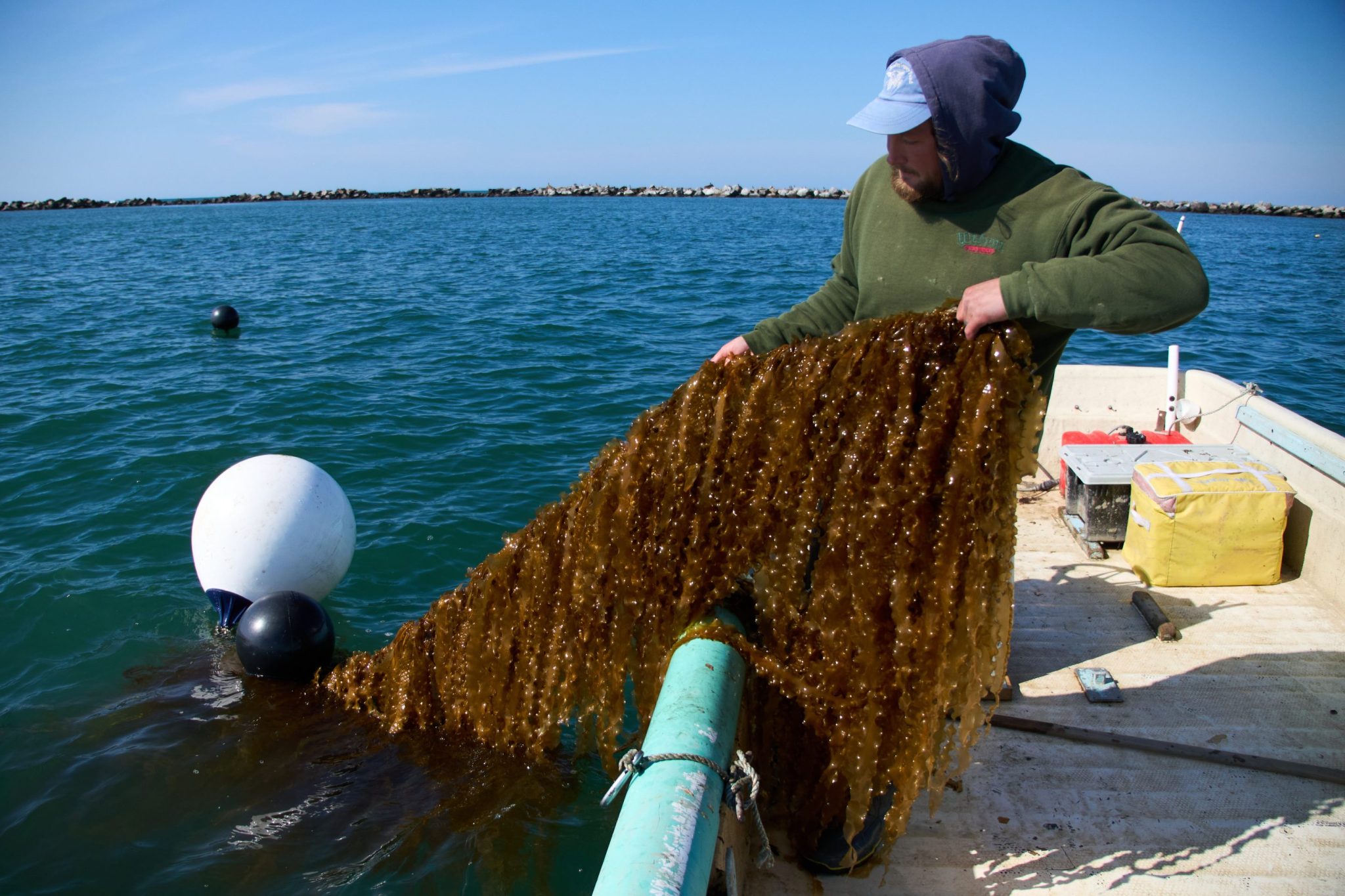
As gas prices continue to rise, kelp is emerging as a promising alternative biofuel. The potential for kelp to serve as a sustainable energy source is significant, but its development is currently stalled by government regulations.
These regulatory barriers include complex approval processes and stringent environmental assessments that slow down the implementation of kelp-based biofuels. Advocates argue that streamlining these processes could unlock kelp's potential, providing a renewable energy source that could alleviate the pressure of high gas prices.
The push for kelp biofuel comes amid growing concerns over fossil fuel dependency and the environmental impact of traditional energy sources. However, without changes to the regulatory framework, the transition to kelp biofuel remains uncertain.
Proponents are calling for policy reforms that would facilitate research and development in this area, emphasizing the need for government support to overcome existing hurdles. The debate over kelp biofuel highlights the broader challenge of balancing environmental protection with the urgent need for alternative energy solutions.
- Consumers face higher costs at the pump due to rising gas prices, which could be mitigated by developing kelp biofuel.
- Environmental advocates benefit from the potential reduction in fossil fuel dependency if kelp biofuel becomes viable.
- Regulatory bodies currently maintain control over the approval process, impacting the speed at which new biofuels can be developed.
- Whether government agencies will streamline regulatory processes for kelp biofuel development.
- Potential policy reforms aimed at facilitating alternative energy solutions in the coming months.
- Industry response to any changes in the regulatory landscape affecting biofuel development.
- No source mentions the specific regulatory bodies responsible for the current barriers to kelp biofuel development.
- The economic impact on consumers due to high gas prices is not quantified in the source.