
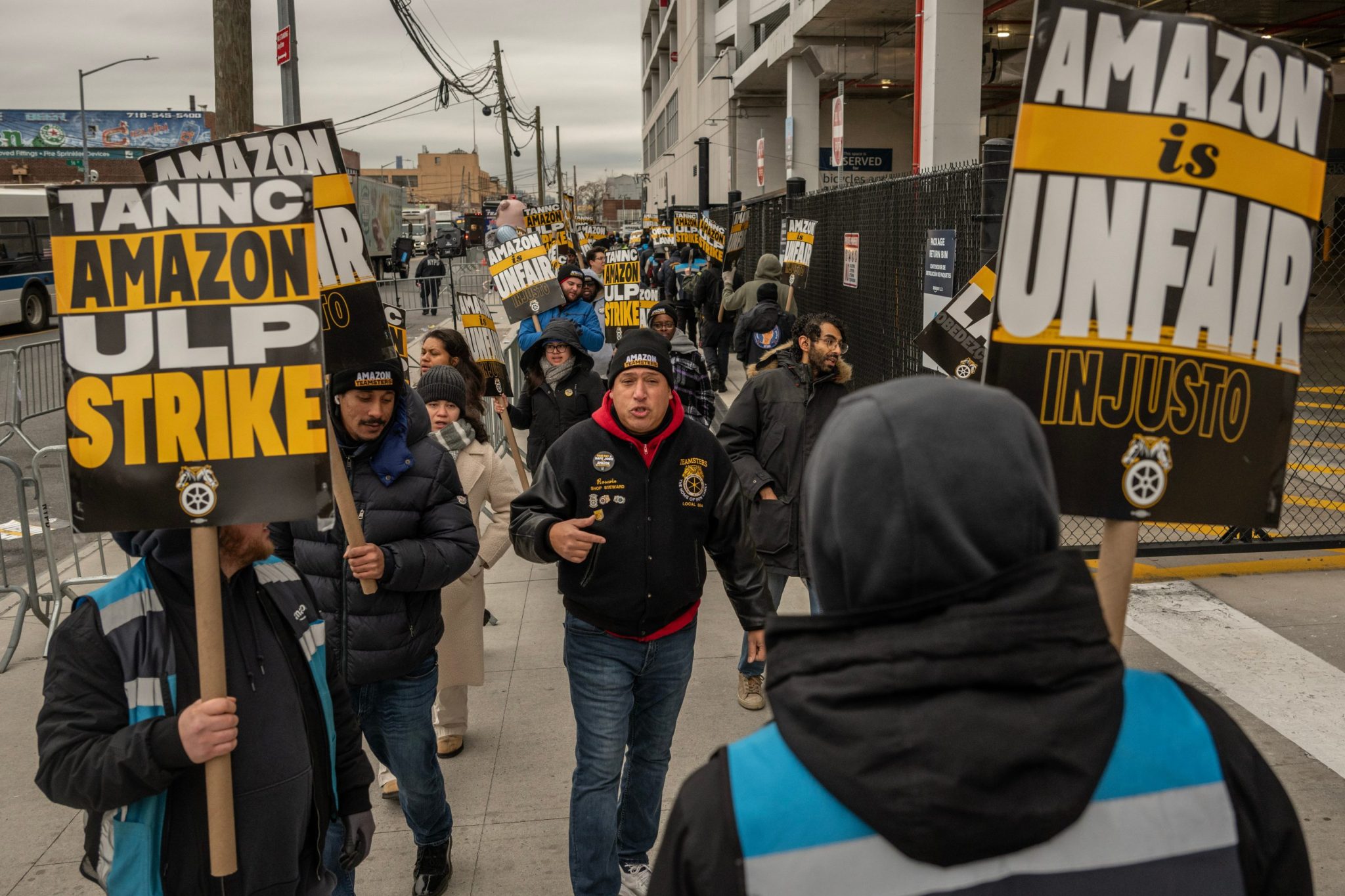
Labor union participation is on the rise even as U.S.
Coveragetap to expand ▾Spectrum: Mostly Center🌍Other: 4 · US: 1
- companies spend $1.7 billion annually to halt union formation Labor union participation is on the rise even as U.S.
- The organized group of Uber and Lyft drivers is a rare—though increasingly less so—example of new unions forming in the U.S.
- Still, unionization is far from its peak in 1954, when one in three Americans belonged to a union.
Labor union participation in the United States is experiencing a notable increase, driven by a growing movement among workers seeking better wages and working conditions.
This rise comes despite U.S. companies investing approximately $1.7 billion annually to thwart union formation, highlighting the significant efforts corporations are making to maintain control over their labor forces.
Many workers, feeling the pressures of economic instability and workplace dissatisfaction, are turning to unions as a means of collective bargaining to address their grievances. Companies are responding to this trend by hiring consultants and legal teams to discourage unionization efforts, reflecting a defensive posture against the rising tide of labor activism.
The current labor landscape suggests a potential shift in relations between workers and employers, as more individuals mobilize to advocate for their rights. This situation underscores the complexities of labor dynamics in the U.S., where the push for unionization is met with substantial corporate resistance.
- The rise in labor union participation signals a shift in the balance of power between workers and employers, particularly in industries like gig work, where drivers for Uber and Lyft are beginning to organize for better wages and working conditions.
- This trend could lead to improved job security and benefits for millions of workers who have historically faced precarious employment situations.
- As companies continue to invest heavily in anti-union strategies, the growing momentum for unionization may force them to reconsider their labor practices, potentially resulting in more equitable treatment and compensation for employees across various sectors.
- Watch for the AFL-CIO to announce new initiatives aimed at increasing union membership within the next month.
- Expect the Biden administration to release a report on labor market trends and union participation by the end of this week.
- Keep an eye on upcoming negotiations between major automotive companies and the UAW, set to begin in two weeks, which could influence union strategies.
- Look for state legislatures to introduce new labor-related bills in the next legislative session, starting in January, that may impact union activities.
- Anticipate a press conference from the Teamsters Union within 72 hours, where they may outline their plans for upcoming organizing campaigns.