
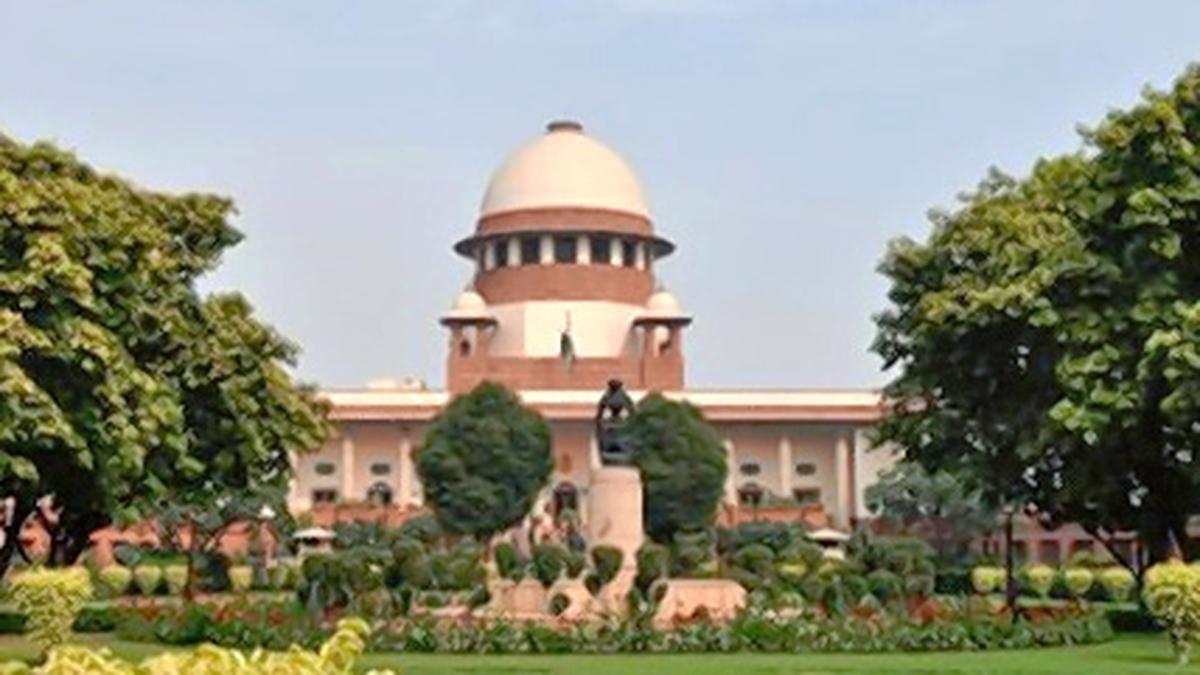
Lakhimpur Kheri case: Supreme Court expresses disappointment over non-production of witnesses
Coveragetap to expand ▾Spectrum: Center Only🌍Asia: 4 · Other: 1
The court's criticism highlights ongoing concerns about the pace of judicial proceedings in India, particularly in high-profile cases where timely justice is crucial. The Lakhimpur Kheri case has been a focal point of national interest, with many calling for swift and fair judicial action.
The Supreme Court's recent remarks underscore the importance of witness testimonies in ensuring a comprehensive and just trial process. The delay in examining witnesses has been a contentious issue, prompting the court to urge for expedited proceedings.
This intervention by the Supreme Court reflects broader concerns about judicial efficiency and the ability of the legal system to handle cases of significant public interest. The court's emphasis on the need for timely witness production is seen as a critical step in maintaining public confidence in the judicial process.
The case itself has been marked by its complexity and the high stakes involved, both legally and politically. As the trial continues, the Supreme Court's oversight is expected to play a crucial role in ensuring that justice is served without undue delay.
Observers note that the court's intervention may lead to increased pressure on the legal system to address procedural delays, particularly in cases that attract widespread attention. The outcome of the Lakhimpur Kheri trial could set important precedents for how similar cases are handled in the future.
In the context of India's broader judicial landscape, the Supreme Court's actions in this case may signal a push towards greater accountability and efficiency in legal proceedings. As the trial progresses, all eyes will be on how the court's directives are implemented and whether they lead to a resolution that satisfies both legal standards and public expectations.