
Landlords Seek $1.5 Billion from DOJ Over COVID Eviction Moratorium Losses
Coveragetap to expand ▾Spectrum: Center Only🌍Other: 1
- Landlords are in settlement talks with the DOJ to recoup up to $1.5 billion (per fortune.com).
- The eviction moratorium was enacted by the Centers for Disease Control and Prevention (per fortune.com).
- More than 1,500 property owners have filed a federal lawsuit regarding the moratorium (per fortune.com).
- The lawsuit argues that the eviction moratorium violated the Fifth Amendment (per fortune.com).
- Plaintiffs in the lawsuit include landlords who lost amounts ranging from thousands to over $14.5 million (per fortune.com).
Landlords across the United States are currently in settlement discussions with the Department of Justice (DOJ) to recover as much as $1.5 billion in losses they attribute to the federal eviction moratorium implemented during the COVID-19 pandemic.
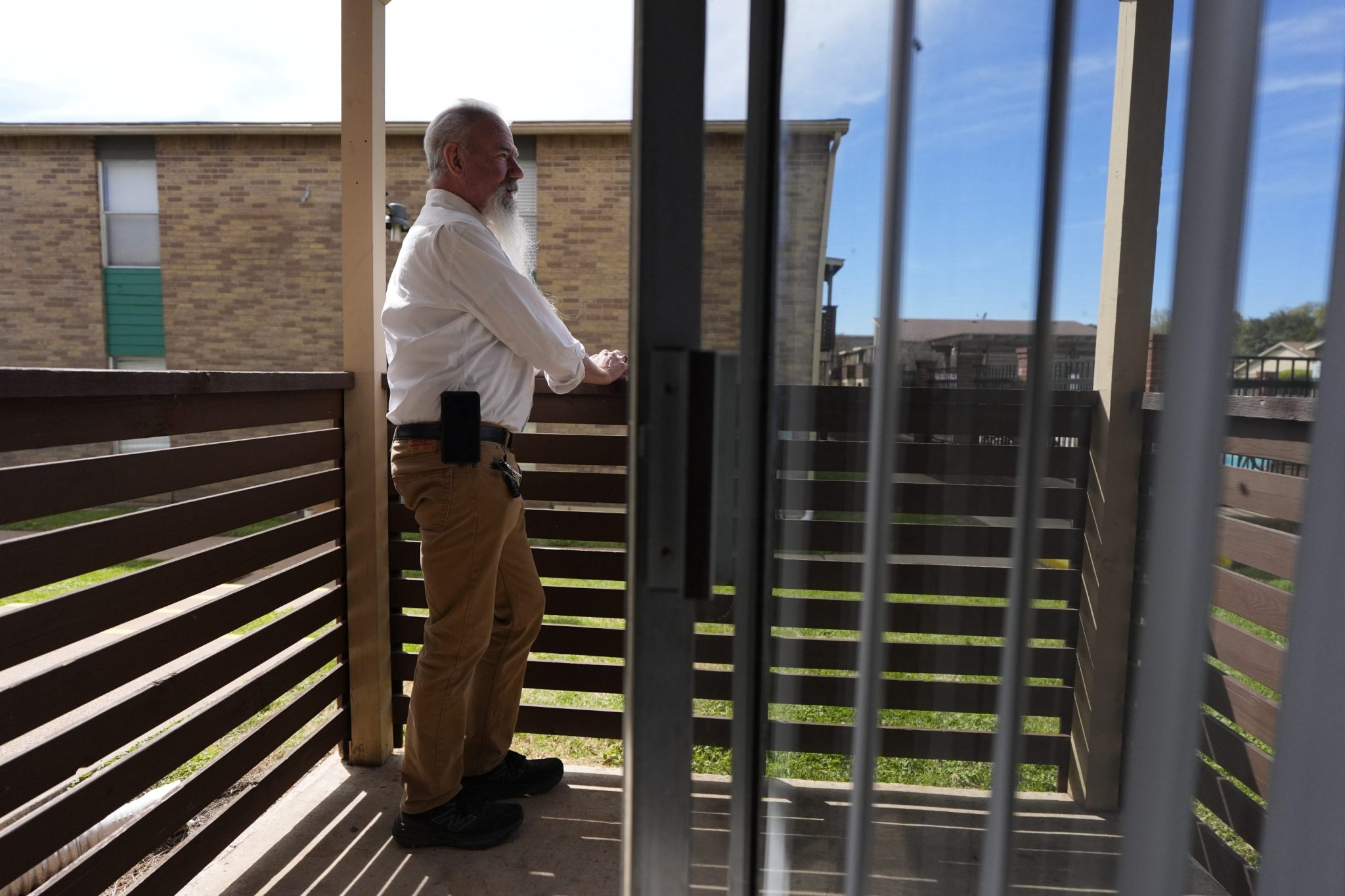
This moratorium, enacted by the Centers for Disease Control and Prevention, barred landlords from evicting tenants who were unable to pay rent, a measure that landlords argue resulted in significant financial losses. Matthew Haines, one of the landlords involved, reported that the moratorium cost him and his investors over $1 million.
He is among more than 1,500 property owners who have filed a federal lawsuit claiming that the moratorium violated their Fifth Amendment rights by unlawfully denying them compensation for their losses. The plaintiffs in this lawsuit include landlords who suffered financial setbacks ranging from thousands of dollars to over $14.5 million.
The landlords' legal argument centers on the claim that the eviction moratorium constituted a government taking of private property without just compensation, which they argue is a violation of the Fifth Amendment.
This legal battle highlights the ongoing financial and legal repercussions of the pandemic-era policies designed to protect tenants during a time of unprecedented economic uncertainty. While the landlords seek compensation for their losses, the DOJ's position in these settlement talks has not been publicly detailed.
The outcome of these negotiations could set a significant precedent for how similar cases might be handled in the future, particularly as the country continues to grapple with the economic fallout from the pandemic.
This case underscores the tension between public health measures and property rights, a debate that has been at the forefront of many legal challenges since the onset of the COVID-19 pandemic. As these settlement talks progress, they will be closely watched by both landlords and tenants, as well as legal experts and policymakers.
The resolution of this case could have far-reaching implications for how government interventions during emergencies are balanced with the rights of property owners. It also raises questions about the financial responsibilities of the government in compensating individuals and businesses affected by such interventions.
- Landlords across the U.S. face significant financial losses due to the eviction moratorium, impacting their ability to maintain properties and invest in new housing (per fortune.com).
- The DOJ's response to the settlement talks could influence future government policies on property rights during emergencies (per fortune.com).
- The lawsuit's outcome may set a legal precedent for compensation claims related to government-imposed restrictions (per fortune.com).
- Whether the DOJ agrees to the $1.5 billion settlement with landlords.
- The potential impact of the lawsuit's outcome on future eviction policies.
- Any public statements from the DOJ regarding their stance on the settlement talks.
- No source mentions the specific legal arguments or defenses the DOJ might use in response to the landlords' claims.
- The sources do not provide details on how the $1.5 billion figure was calculated or justified.
- There is no mention of the broader economic impact on tenants who benefited from the moratorium.