
Louisiana bill expands first-degree murder charges and death penalty eligibility after mall shooting
Coveragetap to expand ▾Spectrum: Mostly Center🌍Other: 3 · US: 1 · LatAm: 1
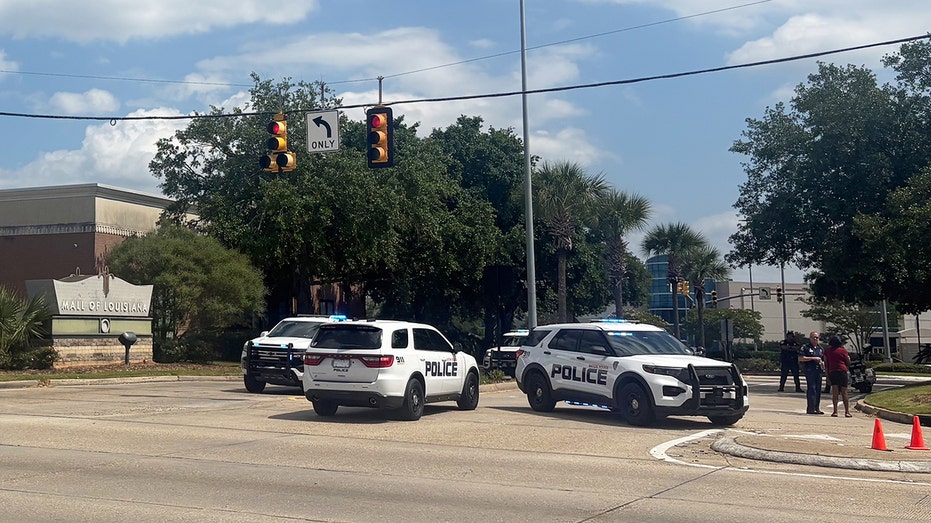
- The bill was introduced following a tragic incident at the Mall of Louisiana, which has sparked discussions about public safety (per foxnews.com).
- The bill's proponents argue it will deter future violent crimes, while critics question its effectiveness and potential for misuse (per foxnews.com).
- The Mall of Louisiana shooting has intensified debates over gun control and public safety measures (per news.google.com).
The bill's proponents argue that harsher penalties will serve as a deterrent to potential offenders, thereby enhancing public safety. However, critics of the bill raise concerns about its potential effectiveness and the risk of disproportionately affecting marginalized communities.
The tragic incident at the Mall of Louisiana has reignited debates over public safety and gun control, with lawmakers seeking to address the root causes of such violence. The bill's passage reflects a broader national trend where states are reconsidering the legal frameworks surrounding violent crimes.
Supporters of the legislation believe that expanding the definition of first-degree murder will provide law enforcement with more tools to prosecute serious offenses effectively. Critics, however, caution that the expanded criteria could lead to overcharging and potential miscarriages of justice.
They argue that the focus should instead be on preventive measures and addressing systemic issues that contribute to crime. The debate highlights the ongoing tension between ensuring public safety and safeguarding individual rights within the justice system.
The bill's introduction and subsequent passage underscore the urgency with which Louisiana lawmakers are addressing the issue of violent crime. As the state grapples with the aftermath of the mall shooting, the legislation is seen as a critical step in a broader strategy to curb violence.
However, the effectiveness of such measures remains a point of contention among policymakers and the public alike. The Mall of Louisiana shooting has also prompted discussions about the role of gun control in preventing similar incidents.
While the current legislation focuses on punitive measures, some advocates are calling for a more comprehensive approach that includes stricter gun regulations. The outcome of these debates could shape the future of public safety policy in Louisiana and beyond. As the bill moves forward, its impact on crime rates and the justice system will be closely monitored.
The legislation's success or failure could influence similar efforts in other states, as lawmakers nationwide grapple with the challenge of balancing public safety with civil liberties.
- The bill could disproportionately affect marginalized communities by expanding criteria for first-degree murder charges, potentially leading to overcharging and miscarriages of justice.
- Public safety in Louisiana is at stake as lawmakers attempt to address rising violent crime through harsher penalties, impacting residents' sense of security.
- The legislation reflects a broader national trend, influencing how other states might approach violent crime and legal consequences.
- Whether the Louisiana House of Representatives will pass the bill into law.
- The impact of the bill on crime rates and public safety in Louisiana over the coming months.
- Potential legal challenges to the bill's expanded criteria for first-degree murder.
Left- and right-leaning outlets are covering this story differently — in which facts to emphasize, which context to include, and how to frame causes and consequences.
3 specific areas where coverage diverges — see below.
- Fox News emphasizes the bill's role in addressing violent crime, while other sources focus on the potential for misuse and overcharging.
- The effectiveness of the bill in deterring crime remains debated among sources.
- No source mentions the specific details of the Mall of Louisiana shooting that prompted the bill.