
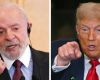
Lula Meets Trump to Resolve Trade Disputes After Year of Tariffs
Coveragetap to expand ▾Spectrum: Center Only🌍Other: 2 · Europe: 1 · LatAm: 1
- The meeting was held to address and resolve trade disputes that have persisted over the past year (per en.mercopress.com).
- Lula's delegation included five ministers, notably Finance Minister Dario Durigan and the Federal Police's director general (per en.mercopress.com).
Brazilian President Luiz Inácio Lula da Silva has arrived at the White House to meet with U.S. President Donald Trump, aiming to resolve ongoing trade disputes that have strained relations between the two countries over the past year. This meeting, which took place in Washington, is Lula's first official visit to the U.S. capital since he returned to power in 2023.
The encounter follows a brief meeting between the two leaders at the ASEAN summit in Kuala Lumpur last October. The Brazilian delegation, led by Lula, included key figures such as Finance Minister Dario Durigan and the director general of the Federal Police.
This composition underscores the Brazilian government's commitment to addressing specific issues and achieving tangible outcomes from the discussions. The meeting was structured as a working session, emphasizing a concrete agenda aimed at mending fences and fostering future cooperation.
Trade tensions have been a significant point of contention between Brazil and the United States, with tariffs imposed over the past year affecting economic relations. The meeting sought to address these issues directly, with both leaders expressing a desire to move past the disputes and establish a more collaborative relationship.
Lula's visit to the White House highlights the importance of U.S.-Brazil relations, particularly in the context of global economic dynamics. Both countries have significant roles in international trade, and resolving these disputes could have broader implications for their respective economies.
The outcome of the meeting remains to be seen, but the presence of high-level officials from Brazil indicates a serious approach to resolving the issues at hand. The focus on deliverables suggests that both parties are keen on achieving specific agreements that could pave the way for improved bilateral relations.
As the discussions unfold, many governments will be watching closely to see how these two major economies navigate their differences and what agreements might emerge from this high-stakes diplomatic engagement.
- Brazilian exporters bear the concrete costs of tariffs, impacting their access to the U.S. market and affecting economic growth.
- The U.S. agricultural sector benefits from reduced competition if Brazilian tariffs remain, potentially increasing domestic market share.
- Lula's administration seeks to boost Brazil's economic recovery by resolving trade barriers, directly affecting Brazilian industries reliant on exports.
- Whether Brazil and the U.S. announce specific trade agreements following the meeting.
- Any changes in tariff policies by the U.S. affecting Brazilian imports.
- Potential follow-up meetings between Brazilian and U.S. trade officials to solidify agreements.
- No source mentions the specific tariffs imposed by either country that led to the disputes.
- The economic impact on specific sectors in Brazil and the U.S. due to the tariffs is not detailed.