
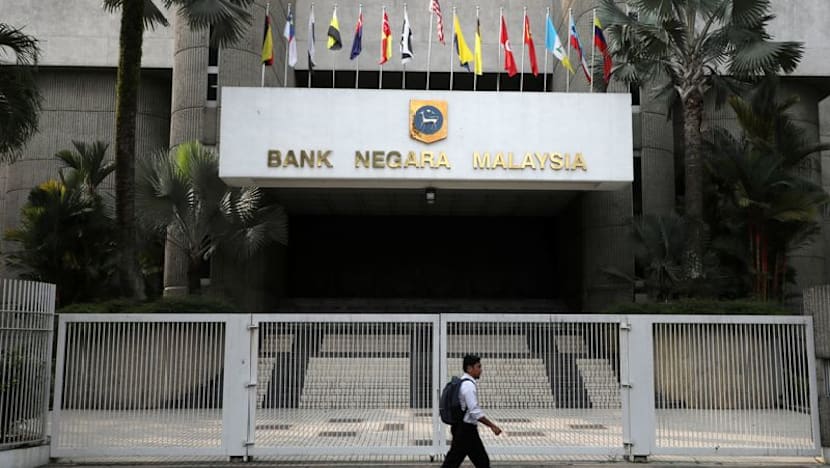
Malaysia Maintains Key Rate Amid Middle East Conflict Concerns
Coveragetap to expand ▾Spectrum: Center Only🌍Other: 3
- Malaysia's central bank has kept its key interest rate steady (per Yahoo Finance).
- The decision was influenced by uncertainties arising from the Middle East conflict (per Yahoo Finance).
Malaysia's central bank has opted to maintain its key interest rate, citing uncertainties linked to the ongoing conflict in the Middle East. This decision reflects the bank's cautious approach amid a volatile geopolitical landscape that could have significant economic repercussions.
The central bank underscored the potential for disruptions in global trade and energy markets, which are critical to Malaysia's economy. The conflict in the Middle East, involving multiple nations and complex alliances, has created an unpredictable environment that could affect global economic stability.
Malaysia, as a trading nation, is particularly sensitive to such external shocks, and the central bank's decision aims to mitigate potential risks. While the bank did not specify immediate changes to its monetary policy, it remains vigilant and prepared to adjust its strategies should the situation escalate further.
The central bank's stance highlights the interconnectedness of global economies and the far-reaching impacts of regional conflicts. As the situation develops, Malaysia will continue to monitor the geopolitical landscape closely, ready to respond to any significant changes that may affect its economic outlook.
- Malaysia's economy, heavily reliant on global trade, faces potential disruptions due to Middle East conflict uncertainties.
- The central bank's decision to hold the interest rate steady aims to provide stability amid volatile geopolitical conditions.
- Global energy markets, crucial to Malaysia's economic health, could be affected by the ongoing conflict, impacting trade and growth.
- Whether Malaysia's central bank adjusts its interest rate policy in response to further developments in the Middle East conflict.
- Potential shifts in global energy markets that could impact Malaysia's trade and economic stability.
- Monitoring of geopolitical tensions and their direct effects on Malaysia's economic strategies.
- No significant framing differences noted as only one source was provided.
- No disputed facts or unclear information noted as only one source was provided.
- No source mentions the specific economic sectors in Malaysia most vulnerable to Middle East conflict impacts.
- No detailed analysis of how Malaysia's trade partners might react to the conflict was provided.
- No differing figures noted as only one source was provided.
- No causality disagreements noted as only one source was provided.
- No differing attributions noted as only one source was provided.