
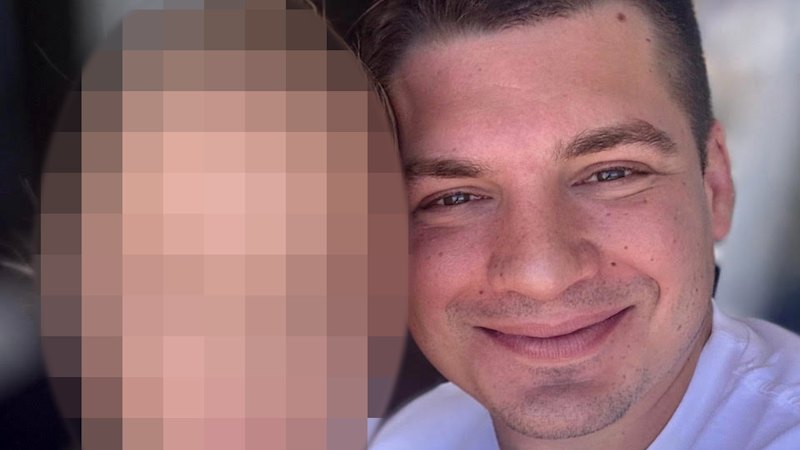
First NSW coercive-control inmate convicted of new harassment, freed on parole days later
Topic: generalRegion: asia pacificUpdated: i1 outletsSources: 1Spectrum: Left Only⏱ 2 min read⚠ 48h+ old
Story Summary
SITUATION
Callum Fairleigh, the first person jailed in New South Wales for coercive control, was convicted of harassing a second woman while on parole and then released on parole days after a plea deal (per smh.com.au). His former partners and victims said the justice system had failed and the release left the community at risk (per smh.com.au).
Coveragetap to expand ▾Spectrum: Left Only🌍Asia: 1
Political Spectrum
Position is inferred from coverage mix.
i1 outlets · Center
Left
Center
Right
Left: 1
Center: 0
Right: 0
Geography Coverage
Distribution of where coverage is coming from.
i1 unique outlets · Dominant: Asia
KEY FACTS
- Callum Fairleigh was the first person in New South Wales jailed for coercive control after abusing his previous partner Samantha following the introduction of legislation in 2024 (per smh.com.au).
- In February Fairleigh was convicted of coercive control, stalking and six AVO breaches and sentenced to two years’ imprisonment (per smh.com.au).
- Fairleigh was released on parole in April after serving 15 months and was issued a 10-year apprehended violence order protecting Samantha (per smh.com.au).
- While on parole, Fairleigh was convicted of harassing a second woman; stalking was later dropped in a plea deal and he received a community corrections order and a new AVO prohibiting contact (per smh.com.au).
- Days after the plea deal and new conviction Fairleigh was released on parole again, prompting victims and former partners to say justice had not been done (per smh.com.au).
HISTORICAL CONTEXT
The immediate backdrop is New South Wales' 2024 introduction of a criminal offence for coercive control, a reform that led the state to prosecute and imprison the first person under that law earlier in 2025–26.
Structurally, those changes built on the long-standing framework of apprehended violence orders (AVOs) governed by the Crimes (Domestic and Personal Violence) Act 2007, which provided civil protection orders and criminal penalties for breaches.
Brief
Callum Fairleigh, who became the first person in New South Wales to serve prison time for coercive control after abusing his former partner Samantha, has been convicted of harassing a second woman while on parole and was released from custody days after that conviction (per smh.com.au).
Fairleigh was originally convicted in February of coercive control, stalking and six breaches of apprehended violence orders and sentenced to two years’ imprisonment; he served 15 months and was released on parole in April with a 10-year AVO protecting Samantha (per smh.com.au).
While on parole he was accused of harassing a second woman; prosecutors accepted a plea that dropped the stalking charge, and he was given a community corrections order and a new AVO prohibiting contact (per smh.com.au).
The court released Fairleigh on parole again just days after the plea deal, prompting his former partners and victims to say the justice system had failed them and that his freedom presented a risk to the community (per smh.com.au).
Advocates and victims told reporters they felt the sentence and the quick return to the community did not deliver justice, arguing that the pattern of belittling, isolation and repeated breaches shows ongoing threat (per smh.com.au).
The case highlights the practical challenge prosecutors and courts face in balancing plea deals, parole rules and victim safety after New South Wales introduced coercive-control legislation in 2024 (per smh.com.au).
It remains a test of whether community corrections orders, AVOs and parole supervision can prevent repeat harassment when victims say prior imprisonment did not deter further offending (per smh.com.au).
Why it matters
- Victims of domestic abuse in New South Wales bear the concrete costs: Samantha and the second woman named in reporting face ongoing harassment despite prosecution mechanisms (per smh.com.au).
- The mechanism of harm is repeat offending under parole and reliance on community corrections orders and AVOs rather than continued detention; victims and advocates say that allowed Fairleigh to reoffend and be freed days after conviction (per smh.com.au).
- Community safety is placed at risk because the offender was released on parole days after a conviction for harassment, showing parole decisions and plea deals can lead to rapid reentry into the community (per smh.com.au).
- Defendants and legal actors potentially benefit from plea negotiations and parole frameworks that can reduce charges and shorten custody, as occurred when stalking was dropped in the plea deal and Fairleigh received a community corrections order (per smh.com.au).
What to watch next
- Whether New South Wales prosecutors lodge an appeal or seek to vary the parole conditions for Callum Fairleigh in the coming weeks (per smh.com.au).
- Whether police or prosecutors seek additional charges or enforcement actions under the new AVO issued to the second woman if any breach is alleged (per smh.com.au).
- Whether the state government or courts introduce changes to how coercive-control convictions, parole eligibility, and plea deals are handled following criticism from victims and advocates (per smh.com.au).
Where sources differ
7 dimensionsFraming differences
?- Only smh.com.au is in the pack; it frames the case as a failure of the justice system and emphasizes victims' views that release presented a community risk (per smh.com.au).
Disputed or unclear
?- No other outlet is present to dispute or corroborate details such as the timing of parole release days after the plea deal or the reasons prosecutors dropped the stalking charge (per smh.com.au).
Omitted context
?- No source in this pack provides detailed parole board reasoning or the legal grounds for the quick parole release after the new conviction.
- No source in this pack includes independent data on parole recidivism rates for coercive control offenders in New South Wales.
- No source mentions whether police monitored compliance with either the 10-year AVO for Samantha or the new AVO for the second woman after release.
Conflicting figures
?- All figures come from smh.com.au: two years' sentence (per smh.com.au); 15 months served (per smh.com.au); 10-year AVO protecting Samantha (per smh.com.au).
Disputed causality
?- smh.com.au reports that Fairleigh reoffended while on parole and was convicted and then released days later; no other source is available to challenge the sequence (per smh.com.au).
Attribution disputes
?- smh.com.au attributes criticisms of the release and claims the justice system failed to victims and former partners (per smh.com.au).
Sources
1 of 1 linked articles