
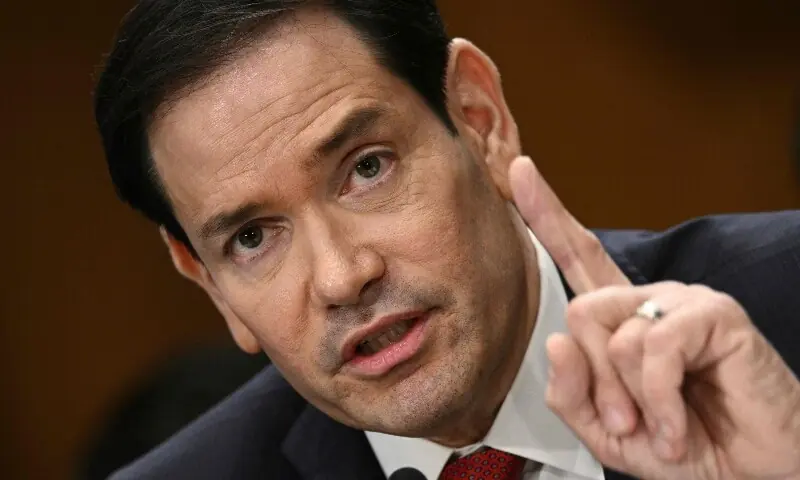
He said these negotiations had been made difficult by the instability of Iran’s leadership.
Coveragetap to expand ▾Spectrum: Mostly Center🌍Europe: 2 · Other: 2 · ME: 1
- Senator Marco Rubio stated that Iran is willing to negotiate specific aspects of its nuclear program amid ongoing military tensions.
- The military conflict involving the United States and Israel against Iran escalated in March 2026, targeting Iranian military infrastructure.
- Iran's military responses to the US and Israel's strikes have been characterized as defensive measures.
- The coordinated military campaign by the US and Israel has included attacks on Iranian power plants and air defense systems.
- The situation in the Middle East has become increasingly complex due to the ongoing military actions and Iran's retaliatory responses.
In a significant diplomatic development, US Secretary of State Marco Rubio announced that Iran has agreed to engage in limited negotiations regarding its nuclear program. This shift comes amid the ongoing conflict in the Middle East, which has been exacerbated by US-led military actions against Iran.
Rubio described this willingness to negotiate as a tentative but meaningful change in Tehran's posture, noting that Iran is now open to discussing aspects of its nuclear program that it had previously refused to address.
However, he cautioned that these negotiations are fraught with challenges, particularly due to the instability of Iran's leadership and the unresolved issues surrounding sanctions relief and nuclear enrichment limits. Lawmakers in the US remain skeptical about the potential for a durable agreement, emphasizing that the current fighting complicates the diplomatic landscape.
Despite the fragile opening for dialogue, the path to a comprehensive deal appears uncertain, as both sides grapple with significant hurdles that could derail progress. The situation underscores the complex interplay between military conflict and diplomatic efforts in the region, highlighting the difficulties of achieving lasting peace amidst ongoing hostilities.
- The willingness of Iran to negotiate aspects of its nuclear program could signal a potential shift in the dynamics of the ongoing conflict, impacting not only regional security but also the global energy market.
- If negotiations lead to a de-escalation of hostilities, it may alleviate economic pressures on countries reliant on Middle Eastern oil, particularly in Europe and Asia, where energy prices have surged amid the conflict.
- Furthermore, a successful dialogue could provide a lifeline for civilians in Iran, who are facing increasing hardships due to international sanctions and military tensions, potentially improving their humanitarian situation.
- Watch for a potential response from the U.S. State Department regarding Iran's willingness to negotiate aspects of its nuclear program within the next 72 hours.
- Monitor statements from the International Atomic Energy Agency (IAEA) as they assess Iran's nuclear activities and compliance, expected to be released before the upcoming June summit.
- Expect reactions from key European allies, particularly France and Germany, as they prepare to discuss their stance on Iran's negotiations at the next G7 meeting scheduled for next month.
- Keep an eye on any announcements from Iran's leadership regarding internal stability and its impact on the negotiation process, anticipated within the next week.
- Look for updates from U.S. Senator Marco Rubio as he may provide further insights or legislative proposals related to Iran's nuclear negotiations in the coming days.
Left- and right-leaning outlets are covering this story differently — in which facts to emphasize, which context to include, and how to frame causes and consequences.