
Rubio says ‘significant progress’ made in US-Iran negotiations
Coveragetap to expand ▾Spectrum: Mixed🌍US: 3 · ME: 3 · Other: 3 · Europe: 1
- US Secretary of State Marco Rubio announced on October 15, 2023, that 'significant progress' has been made in negotiations with Iran regarding its nuclear program.
- The ongoing talks aim to establish a framework to prevent Iran from acquiring nuclear weapons and to ensure the security of the Strait of Hormuz.
- Rubio emphasized that while progress has been made, a final deal has not yet been reached, indicating that negotiations are still ongoing.
- The discussions are part of broader geopolitical efforts involving multiple countries in Europe and the Middle East.
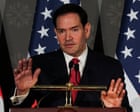
- Rubio's statements were made during a press briefing where he addressed the current status of US-Iran relations.
In a recent statement, US Secretary of State Marco Rubio announced that significant progress has been made in negotiations with Iran concerning its nuclear program and the security of the Strait of Hormuz. Speaking from New Delhi, Rubio expressed optimism that the world could soon hear 'good news' about the talks, which aim to prevent Iran from acquiring nuclear weapons.
However, he cautioned that while advancements have been achieved, a final agreement is not yet in place. The negotiations are part of broader efforts by the US to address ongoing tensions in the region, particularly following military actions taken against Iran earlier this year.
Rubio's remarks highlight the delicate balance of diplomacy amid a backdrop of conflict, as the US continues to navigate its relationship with Iran while addressing security concerns in the Middle East.
The outcome of these talks could have significant implications for regional stability and international relations, particularly regarding oil supply routes and nuclear proliferation.
- The progress in US-Iran negotiations, as highlighted by Secretary Rubio, could lead to a significant reduction in tensions surrounding Iran's nuclear ambitions, directly impacting the security of nations in Europe that are concerned about potential military escalation.
- If a framework is established to prevent Iran from acquiring nuclear weapons, European countries may experience enhanced stability and reduced military spending, allowing them to redirect resources toward economic recovery and humanitarian initiatives.
- Additionally, a more secure Strait of Hormuz would ensure the uninterrupted flow of oil, stabilizing global energy prices and benefiting economies reliant on energy imports.
- Watch for a potential announcement from the Biden administration regarding new sanctions or incentives for Iran, expected within the next week as negotiations progress.
- Keep an eye on statements from Iranian officials, particularly Foreign Minister Hossein Amir-Abdollahian, who may outline Iran's response to U.S. proposals in the coming days.
- Anticipate a joint press conference from U.S. and European Union diplomats, likely scheduled before the upcoming June summit, to discuss the outcomes of the latest negotiations.
- Monitor developments from the International Atomic Energy Agency (IAEA), as they may release a report on Iran's nuclear activities within the next two weeks, which could impact ongoing discussions.
- Look for reactions from key regional players, such as Saudi Arabia, who may issue a statement on their stance regarding U.S.-Iran relations within the next 72 hours.
Left- and right-leaning outlets are covering this story differently — in which facts to emphasize, which context to include, and how to frame causes and consequences.