
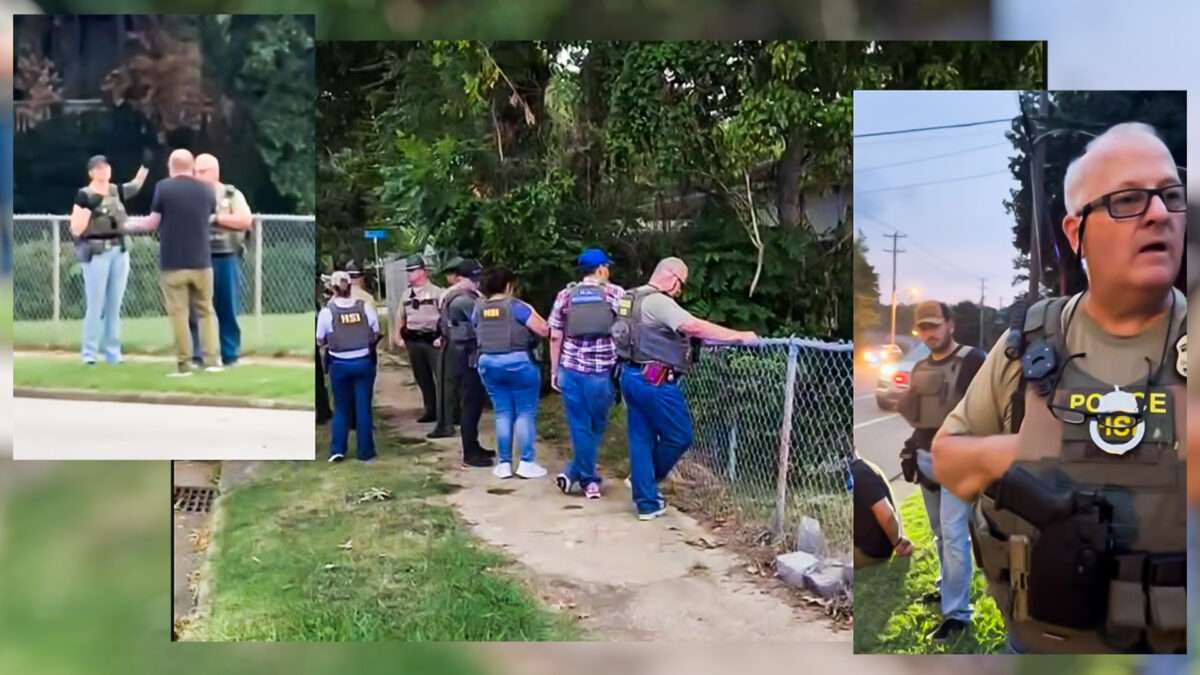
Memphis Safe Task Force Arrests Activist Hunter Demster; ACLU Releases Video in Lawsuit
Topic: geopoliticsRegion: north americaUpdated: i2 outletsSources: 2⚠ Bias gap — sources divergeSpectrum: Center Only⏱ 3 min read📡 Wire pickup
Story Summary
SITUATION
The Memphis Safe Task Force arrested activist Hunter Demster on August 26, according to newly released footage. The American Civil Liberties Union released that video as supplemental evidence in Demster's First Amendment retaliation lawsuit, saying the arrest demonstrates continued intimidation of people who film the force (per reason.com).
Coveragetap to expand ▾Spectrum: Center Only🌍US: 1 · Other: 1
Political Spectrum
Position is inferred from coverage mix.
i2 outlets · Center
Left
Center
Right
Left: 0
Center: 2
Right: 0
Geography Coverage
Distribution of where coverage is coming from.
i2 unique outlets · Dominant: US/Canada
KEY FACTS
- The Memphis Safe Task Force arrested activist Hunter Demster on August 26 (per reason.com).
- The American Civil Liberties Union released video of the arrest as supplemental evidence in Demster's First Amendment retaliation lawsuit (per reason.com).
- Reason reports the ACLU says the footage shows continued intimidation of people who film the Memphis Safe Task Force (per reason.com).
- Hunter Demster is the lead plaintiff in the lawsuit alleging First Amendment retaliation (per reason.com).
HISTORICAL CONTEXT
The immediate backdrop is a nationwide flashpoint over citizens' recorded encounters with armed, multi-agency policing units and municipal "safe" or task-force programs that intensified across U.S. cities in the 2010s and 2020s, producing repeated street-level confrontations between video-recording residents and law-enforcement teams prior to this event.
The structural legal framework for disputes over recording police includes the First Amendment to the U.S.
Brief
The Memphis Safe Task Force arrested activist Hunter Demster on August 26, and the American Civil Liberties Union published video of that arrest as supplemental evidence in Demster’s First Amendment retaliation lawsuit.
The ACLU says the footage documents ongoing intimidation of people who film the Task Force; the outlet releasing the report, reason.com, summarizes the ACLU’s claim and the timing of the arrest.
The core dispute is narrow and legal: Demster, who is the lead plaintiff in the suit, contends that the arrest was punishment for constitutionally protected recording and dissent; the ACLU has placed the arrest video into the case record to substantiate that claim (per reason.com).
The Memphis Safe Task Force is the arresting actor identified in the available reporting, but the single source does not include a statement from the Task Force, local prosecutors, or police officials explaining their view of the arrest or any charges they filed (per reason.com).
The ACLU frames the video as evidence of a pattern of intimidating behavior toward those who film the force; the article does not provide corroborating footage from independent outlets or detailed chain-of-custody information for the clip beyond the ACLU’s release (per reason.com).
What happens next centers on the lawsuit: the video is now part of the supplemental evidence that lawyers will use in motions and discovery, and its public release raises the political stakes for Memphis officials who oversee the Task Force, who may face increased scrutiny in court and in the press (per reason.com).
Why it matters
- Residents who record police and Task Force activity bear the concrete legal risk: the arrest of Hunter Demster on August 26 is cited by plaintiffs as evidence that filming can lead to detention (per reason.com).
- The American Civil Liberties Union benefits from access to visual evidence: the released footage strengthens the ACLU’s evidentiary position in a First Amendment retaliation suit where documentary proof is central (per reason.com).
- Memphis municipal officials and the Memphis Safe Task Force face reputational and legal costs because a public arrest video can be used in court and by voters to demand oversight (per reason.com).
What to watch next
- Whether the court admits the ACLU-released video into evidence during upcoming motions or trial proceedings (per reason.com).
- Whether the Memphis Safe Task Force or local prosecutors file charges stemming from the August 26 arrest and publicly justify the arrest (per reason.com).
- Whether the ACLU files additional supplemental evidence or expands the complaint against the Memphis Safe Task Force (per reason.com).
Where sources differ
7 dimensionsBias gap0.50 / 2.0
Left- and right-leaning outlets are covering this story differently — in which facts to emphasize, which context to include, and how to frame causes and consequences.
Center (2)
reason_magcommercialappeal.com
7 specific areas where coverage diverges — see below.
Framing differences
?- Only reason.com is in this source set; it frames the arrest as evidence of intimidation and emphasizes the ACLU’s release of video footage (per reason.com).
Disputed or unclear
?- No source in this pack provides the Memphis Safe Task Force’s account of the arrest or any prosecutorial charging details; the justification for the arrest remains unclear (per reason.com).
Omitted context
?- No source mentions the specific charges, arrest report details, or any statements from the Memphis Safe Task Force or local prosecutors, which are necessary to fully evaluate the legality of the arrest.
- No source provides independent verification of the video’s chain of custody or whether other footage corroborates the ACLU’s clip.
- No source cites prior incidents, complaint history, or policy documents governing the Memphis Safe Task Force that would contextualize whether this arrest fits a documented pattern.
Conflicting figures
?- Only one date is given: August 26, cited by reason.com; no other numeric differences are present (per reason.com).
Disputed causality
?- Reason.com reports the ACLU’s claim that the arrest evidences intimidation of people who film the force, but the Task Force’s triggering justification for the arrest is not provided (per reason.com).
Attribution disputes
?- Reason.com attributes the footage release and the claim of intimidation to the American Civil Liberties Union; no counter-attribution from the Memphis Safe Task Force is present (per reason.com).
Sources
2 of 2 linked articles