
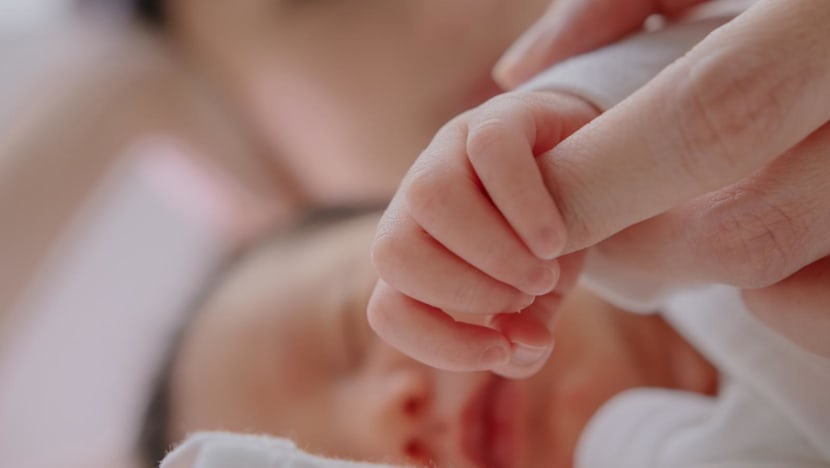
‘They feel disconnected from who they used to be’: Why becoming a mother can affect a woman’s sense of self
Coveragetap to expand ▾Spectrum: Center Only🌍Asia: 1
Motherhood significantly alters women's identities, often leading to feelings of disconnection from their former selves. Many women report that the transition into motherhood brings about a profound shift in their priorities and self-perception, which can be overwhelming.
This disconnection is frequently exacerbated by societal expectations that impose unrealistic standards on mothers, contributing to feelings of inadequacy. The experience of motherhood is not uniform; it varies widely among women, with some finding support systems that help them navigate these changes, while others struggle alone.
The impact of motherhood on identity is a critical issue that warrants attention, as it affects not only individual women but also their families and communities. Understanding these dynamics is essential for fostering supportive environments that acknowledge and address the complexities of motherhood.
- The emotional and psychological challenges faced by new mothers in the Asia Pacific region can significantly impact their mental health and overall well-being, leading to increased healthcare needs and potential economic burdens on families and communities.
- This disconnection from their former selves can hinder women's participation in the workforce, affecting productivity and economic growth.
- Addressing these issues is crucial for developing targeted support systems that empower mothers and foster healthier family dynamics, ultimately benefiting society as a whole.
- In the next few weeks, expect to see initiatives from mental health organizations in Asia Pacific, such as the Asia Pacific Mental Health Coalition, launching campaigns focused on maternal mental health to address the identity challenges faced by new mothers.
- Look for upcoming studies from universities in the region, including the University of Tokyo and the University of Melbourne, which are set to release research findings in the next month that explore the psychological effects of motherhood on women's self-perception.
- Over the next two weeks, several parenting forums and support groups, including those led by the Australian Breastfeeding Association, will host discussions and workshops aimed at helping mothers navigate their changing identities post-birth.
- Anticipate a series of articles and opinion pieces from influential women writers and psychologists in major publications across Asia, such as The Straits Times and The Sydney Morning Herald, discussing personal experiences and expert insights on the identity shifts that accompany motherhood, expected to be published within the next 10 days.
- Watch for social media campaigns by influencers and mental health advocates, particularly on platforms like Instagram and TikTok, that will share personal stories and coping strategies related to motherhood and identity, launching in the next week.