
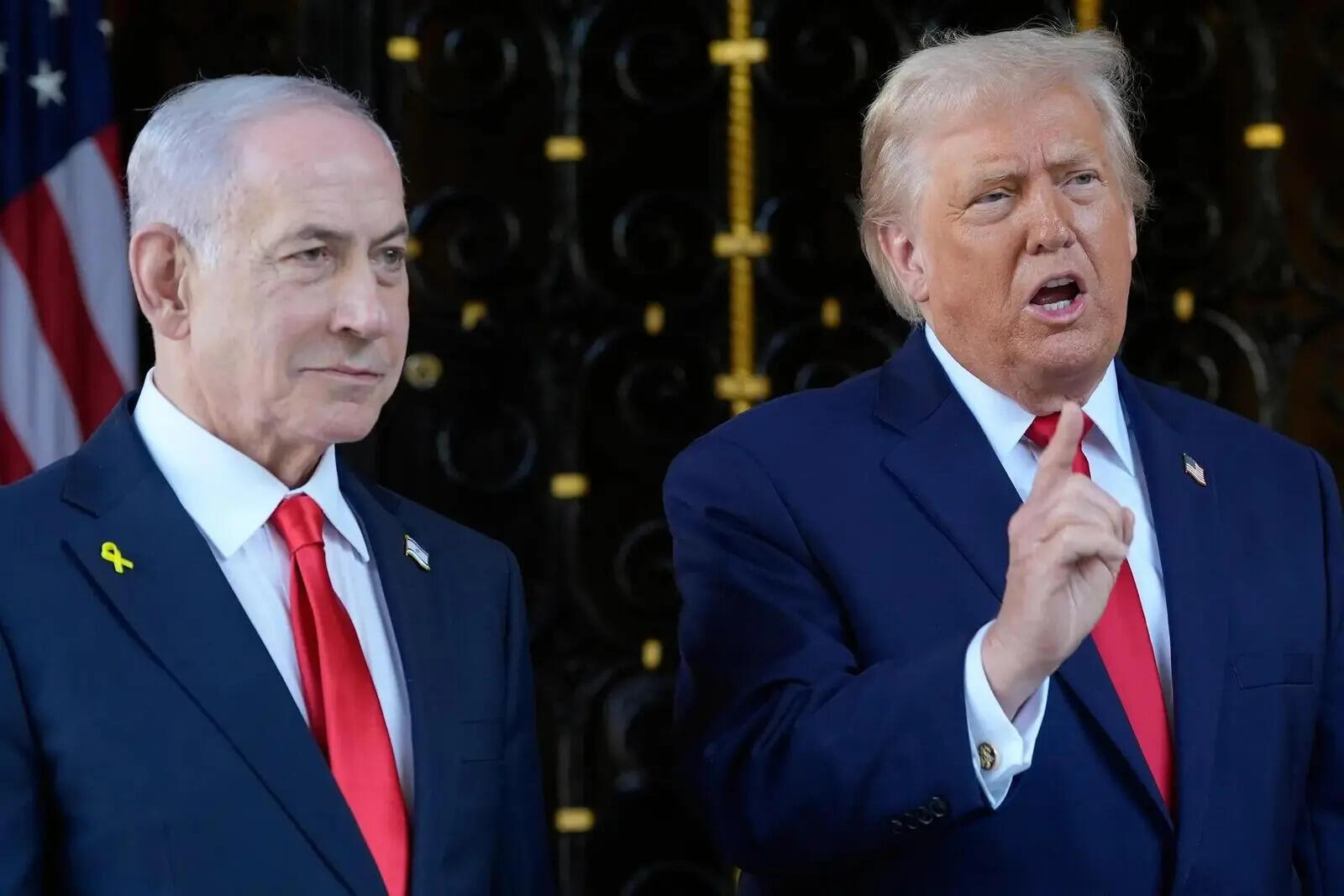
Trump's Decision to Scrap Iran Strikes Leaves Netanyahu Uninformed
Topic: defense & securityRegion: North AmericaUpdated: i2 outletsSources: 5⚠ Bias gap — sources divergeSpectrum: Mostly CenterFiltered: Global (0/5)· Clear⏱ 4 min read⚠ 48h+ old
Story Summary
SITUATION
Trump's abrupt decision to cancel planned strikes against Iran has left Israeli Prime Minister Netanyahu in the dark, potentially undermining Israel's military strategy and complicating U.S.-Israel relations amid escalating tensions in the region. This move signals a shift in U.S.
Coveragetap to expand ▾Spectrum: Mostly Center🌍Asia: 3 · Other: 2
Political Spectrum
Position is inferred from coverage mix.
i2 outlets · Center
Left
Center
Right
Left: 1
Center: 4
Right: 0
Geography Coverage
Distribution of where coverage is coming from.
i2 unique outlets · Dominant: Asia
KEY FACTS
- "Netanyahu not warned in advance": Trump blindsides Israeli PM by scrapping Iran strikes, says report - ANI News
- ‘Bibi Was Not Informed In Advance’: Netanyahu Blindsided By Trump’s Iran Deal Announcement - News18
- ‘Bibi Was Not Informed In Advance’: Netanyahu Blindsided By Trump’s Iran Deal Announcement - News18 ‘Bibi Was Not Informed In Advance’: Netanyahu Blindsided By Trump’s Iran Deal Announcement - News18
- 'Netanyahu was not warned': Israeli PM blindsided as Trump scrapped Iran strike plans
- "Netanyahu not warned in advance": Trump blindsides Israeli PM by scrapping Iran strikes, says report - irishsun.com
HISTORICAL CONTEXT
The ongoing military campaign against Iran, initiated by the United States and Israel in March 2026, marks a significant escalation in a long-standing conflict. This coordinated effort has seen both nations targeting Iranian military infrastructure, air defenses, and power plants, with Iran responding to these actions through military operations of its own.
The backdrop of this conflict is rooted in a series of complex geopolitical events and decisions that have shaped relations between Iran, the United States, and Israel over decades.
Brief
In a surprising move, Donald Trump has scrapped military strike plans against Iran without prior notice to Israeli Prime Minister Benjamin Netanyahu, leaving him blindsided. This decision underscores a potential breakdown in communication and coordination between the U.S. and Israel, particularly concerning military strategies in the region.
Reports indicate that Netanyahu was not informed in advance, which raises questions about the level of trust and collaboration between the two allies. The scrapping of the strikes comes amid heightened tensions following recent military actions in the Middle East, where both nations have been closely monitoring Iran's activities.
While Trump’s administration may be recalibrating its approach to Iran, this incident could significantly affect Israel's military planning and its responses to perceived threats from Iran. Both sides have historically relied on close cooperation, and this unexpected decision may lead to a reassessment of their strategic partnership.
The implications of this decision could resonate throughout the region, affecting not only U.S.-Israeli relations but also the broader geopolitical landscape as tensions with Iran continue to escalate.
Why it matters
- Trump's decision to cancel planned strikes against Iran without informing Israeli Prime Minister Netanyahu has significant implications for U.S.-Israel relations and regional security dynamics.
- This lack of communication undermines Israel's strategic planning and could embolden Iran, potentially leading to increased military aggression in the region.
- Additionally, the Israeli military may now face challenges in coordinating its operations against Iranian threats, which could jeopardize the safety of Israeli citizens and military personnel.
What to watch next
- Watch for Israel's response to the U.S. decision, as Prime Minister Netanyahu may announce new military strategies or diplomatic initiatives within the next week.
- Monitor Iran's potential military posturing or statements in reaction to the scrapped strikes, expected within 72 hours, which could indicate their stance on regional tensions.
- Keep an eye on upcoming discussions between U.S. and Israeli officials, likely scheduled before the next quarterly earnings reports, to assess how this decision impacts their defense cooperation.
- Anticipate statements from U.S. defense officials regarding future military engagements in the region, expected to be released within the next two weeks.
- Look for potential shifts in alliances or partnerships in the Asia Pacific region as countries react to the U.S.-Iran dynamics, particularly during upcoming regional security forums in the next month.
Where sources differ
Bias gap0.60 / 2.0
Left- and right-leaning outlets are covering this story differently — in which facts to emphasize, which context to include, and how to frame causes and consequences.
Center (4)
news18.comtimes_of_indiairishsun.comaol.com
Right-leaning (1)
aninews.in+0.20
"Netanyahu not warned in advance": Trump blindsides Israeli PM by scrapping Iran strikes, says report - ANI News "Netanyahu not warned in advance": Trump blindsides Israeli PM by s…
Sources
0 of 5 linked articles · Filter: Global