
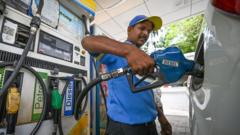
Newt Gingrich tells ‘Pod Force One’ that gas prices need to hit $3 per gallon for GOP to have ‘largest off-year election
Coveragetap to expand ▾Spectrum: Center Only🌍Other: 4 · Europe: 2 · US: 1
- “If the president can get gasoline down somewhere in the $3 range and people begin to feel like it’s going to continue to come down, the Republicans will win the largest off-year election in modern times.”
Newt Gingrich has articulated a clear strategy for the Republican Party as it approaches the 2026 elections, emphasizing the critical role of gas prices in shaping voter sentiment. Speaking on 'Pod Force One,' Gingrich asserted that if gas prices can be lowered to $3 per gallon, the GOP could secure its largest off-year election victory in modern history.
He noted that the perception of gas prices leading up to Labor Day will be pivotal in determining the election's outcome, suggesting that a sustained decrease in prices would bolster Republican support among voters. This focus on economic issues, particularly fuel costs, reflects a broader strategy by the GOP to leverage public dissatisfaction with current economic conditions.
As the election nears, the party is keenly aware that voter sentiment can shift dramatically based on perceived economic stability, particularly in relation to essential commodities like gasoline. Gingrich's comments underscore the party's reliance on economic narratives to galvanize support, positioning gas prices as a barometer for electoral success.
The GOP's strategy will likely continue to evolve as they monitor gas price trends and public sentiment in the coming months.
- Newt Gingrich's assertion that gas prices need to stabilize around $3 per gallon highlights the critical link between economic conditions and electoral outcomes.
- If gas prices decrease, it could alleviate financial pressure on American families, potentially swaying voter sentiment in favor of the GOP in the upcoming off-year elections.
- This shift could lead to significant changes in congressional representation, impacting legislative priorities and funding for various social programs that directly affect constituents' daily lives.
- Monitor the GOP's response to gas price fluctuations over the next month, as party leaders may adjust campaign strategies based on consumer sentiment.
- Watch for statements from key Republican candidates within the next week regarding their plans to address rising gas prices in their campaigns.
- Expect a potential announcement from the Biden administration within the next two weeks regarding energy policies aimed at stabilizing gas prices ahead of the midterms.
- Keep an eye on upcoming economic reports, particularly the Consumer Price Index, scheduled for release in the next 10 days, which could influence voter perceptions of inflation and gas prices.
Left- and right-leaning outlets are covering this story differently — in which facts to emphasize, which context to include, and how to frame causes and consequences.