
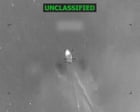
No US military forces were harmed, Southern Command said.
Coveragetap to expand ▾Spectrum: Mixed🌍US: 2 · Other: 2 · Europe: 1
- The US military struck a vessel in the eastern Pacific, killing three people (per theguardian.com).
- US Southern Command described those killed as 'male narco-terrorists' (per theguardian.com).
- The US military claims the vessel was engaged in narco-trafficking operations (per theguardian.com).
- No US military personnel were harmed in the operation (per theguardian.com).
The US military has conducted a strike on a vessel in the eastern Pacific, resulting in the deaths of three individuals described by US Southern Command as 'male narco-terrorists'.
This operation is part of a broader campaign that the US claims targets drug trafficking networks, though it has faced significant criticism from rights groups who argue these actions constitute 'extrajudicial killings'.
According to a social media post by US Southern Command, the vessel was allegedly operated by 'Designated Terrorist Organizations', although no specific groups were identified. The command stated that intelligence confirmed the vessel was transiting known narco-trafficking routes and engaged in related operations.
Despite these assertions, the US administration has not provided concrete evidence linking the vessels to drug trafficking, leading to ongoing debates about the legality and morality of these strikes. Since September, over 190 individuals have been killed in similar operations, raising concerns among international observers and human rights organizations.
The US military maintains that these actions are necessary to combat narcotics trafficking and associated terrorism, while critics argue that the lack of transparency and evidence undermines the legitimacy of the operations. As the debate continues, the impact on regional security and the legal implications of such military actions remain contentious issues.
- The deaths of three individuals in the US military strike highlight the human cost of operations labeled as targeting 'narco-terrorists'.
- Rights groups argue that these actions, lacking definitive evidence, may violate international law and human rights standards.
- The US military's ongoing campaign against alleged drug trafficking networks affects regional stability and raises questions about the use of military force in non-combat zones.
- The lack of transparency and evidence in these operations could undermine US credibility and provoke international criticism.
- Whether US Southern Command provides evidence linking the vessel to drug trafficking.
- Reactions from international human rights organizations regarding the legality of these strikes.
- Potential diplomatic responses from countries in the eastern Pacific region affected by these operations.
Left- and right-leaning outlets are covering this story differently — in which facts to emphasize, which context to include, and how to frame causes and consequences.
5 specific areas where coverage diverges — see below.
- The Guardian describes the operation as targeting 'narco-terrorists', while rights groups label it 'extrajudicial killings'.
- The specific evidence linking the vessel to drug trafficking remains unverified.
- No source mentions the specific legal framework or international agreements governing military actions against alleged drug traffickers in international waters.
- US Southern Command attributes the operation to targeting 'Designated Terrorist Organizations'.
- US Southern Command described those killed as 'male narco-terrorists'.