
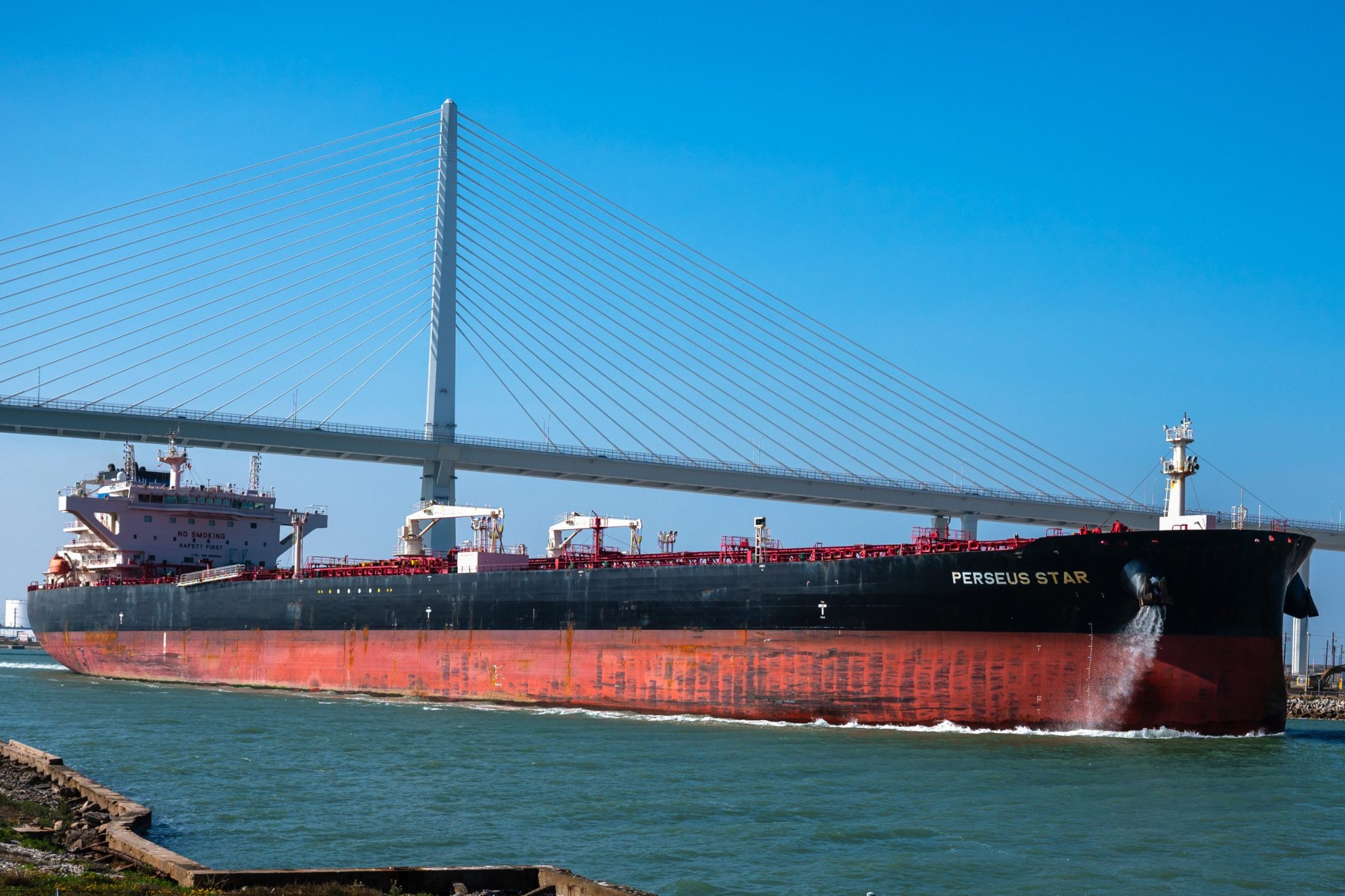
A large oil-exporting hub will be built in the deepwater Gulf of Mexico amid the Iran war—but only because Japan and the
Coveragetap to expand ▾Spectrum: Center Only🌍Other: 5
- Sentinel Midstream has obtained funding from the US and Japan to construct a deepwater oil terminal near Texas (per news.google.com, fortune.com).
- The terminal, named Texas GulfLink, is a multibillion-dollar project (per fortune.com).
- US petroleum exports are currently at record highs due to the ongoing conflict with Iran (per fortune.com).
- The terminal will be located in the deepwater Gulf of Mexico (per fortune.com).
Sentinel Midstream has successfully secured funding from the United States and Japan to build a deepwater oil terminal near Texas, a strategic move aimed at bolstering US energy infrastructure and ensuring Japan's oil supply amid global tensions.
The project, known as Texas GulfLink, is a multibillion-dollar endeavor that will establish a significant oil-exporting hub in the deepwater Gulf of Mexico. Despite the urgency of rising US petroleum exports during the ongoing conflict with Iran, the terminal is not expected to influence oil prices until its completion in 2028.
The funding arrangement, involving both the Trump administration and the Japanese government, highlights the geopolitical significance of energy security in the current global landscape.
As US petroleum exports reach unprecedented levels, the investment in Texas GulfLink underscores a commitment to maintaining a stable oil supply chain, particularly for Japan, which relies heavily on imported energy resources.
While the financial backing from two major governments is unusual for a private developer like Sentinel Midstream, it reflects a broader strategy to enhance energy infrastructure capabilities.
The terminal's location in the Gulf of Mexico positions it as a key player in the US's efforts to expand its oil export capacity, aligning with national interests in energy independence and international partnerships. The decision to invest in this project comes at a time when the global oil market is experiencing volatility due to the Iran war.
The conflict has contributed to fluctuating oil prices, prompting countries to seek reliable sources and secure energy supplies. However, the delayed impact of the Texas GulfLink terminal means that immediate relief from price volatility is unlikely.
As the project progresses, stakeholders will closely monitor its development and potential implications for the global oil market. The collaboration between the US and Japan in funding this terminal underscores the importance of international cooperation in addressing energy challenges and ensuring long-term stability.
The Texas GulfLink project represents a significant step in the US's energy strategy, with potential benefits for both domestic and international markets. However, the timeline for its completion and the subsequent impact on oil prices remain critical factors that will shape the future of global energy dynamics.
- The delay in the terminal's impact means US consumers may continue facing high oil prices until 2028, affecting household budgets and transportation costs.
- Japan benefits from the investment as it secures a stable oil supply, reducing its vulnerability to global market fluctuations.
- Sentinel Midstream stands to gain from the project as it expands its role in the global oil export market, potentially increasing its market share and influence.
- Whether Sentinel Midstream completes the Texas GulfLink terminal by 2028.
- The impact of the terminal's completion on global oil prices and US export capacity.
- Any changes in US-Japan energy cooperation policies as the project progresses.
- news.google.com emphasizes the delay in price impact, while fortune.com highlights the geopolitical significance of the funding.
- No source mentions the specific economic interests of Sentinel Midstream in securing this funding.
- The potential environmental impact of the terminal's construction and operation is not addressed by any source.