
How the war has made Iran’s water crisis worse
Coveragetap to expand ▾Spectrum: Mixed🌍Other: 3 · Europe: 2 · ME: 1
- As of March 2026, the US and Israel have initiated a military campaign against Iran, targeting its military infrastructure, air defenses, and power plants.
- The conflict has resulted in at least one fatality and 63 injuries from an Iranian missile attack on Kuwait airport.
- On March 14, 2026, the US military confirmed the launch of a Hellfire missile at an oil tanker heading towards an Iranian port.
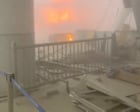
- US and Israeli forces have conducted attacks on Iranian desalination plants, further exacerbating Iran's ongoing water crisis.
- The military actions have triggered a demand shock in the oil industry, with analysts predicting a decline in oil consumption in the region.
The ongoing crisis in Iran has triggered a severe demand shock in the global oil market, with analysts labeling the situation as 'gruesome' for the oil industry. This crisis has resulted in significant fluctuations in oil prices, as geopolitical tensions disrupt supply chains and affect oil exports from the region.
Oil producers are struggling to meet demand amid these challenges, leading to a precarious situation for the industry. The ramifications of this crisis extend beyond Iran, impacting global markets and economies reliant on stable oil supplies.
As the situation evolves, the oil industry must navigate these turbulent waters, with the potential for further disruptions looming on the horizon. The interplay of geopolitical factors and market dynamics will be crucial in determining the future of oil demand and pricing in the coming months.
- The ongoing military actions against Iran have severely damaged critical water infrastructure, including desalination plants, exacerbating the country's already dire water crisis.
- This situation disproportionately affects millions of Iranian citizens, particularly in arid regions, who now face increased water scarcity and public health risks.
- As access to clean water diminishes, agricultural productivity is likely to decline, leading to food shortages and heightened economic instability in a nation already grappling with the repercussions of war and sanctions.
- The Iranian government is expected to announce new water conservation measures within 72 hours, which could impact agricultural output and oil production levels.
- Major oil companies will release their next quarterly earnings reports in two weeks, providing insights into how the crisis is affecting their operations and forecasts.
- The European Union is set to discuss potential sanctions on Iranian oil exports at the upcoming energy summit next month, which could further destabilize the market.
- Key OPEC members will hold a meeting in the next week to evaluate their production strategies in light of the demand shock caused by the crisis in Iran.
- Analysts predict that the International Energy Agency will release a report within the next month assessing the long-term implications of the Iranian situation on global oil supply and pricing.
Left- and right-leaning outlets are covering this story differently — in which facts to emphasize, which context to include, and how to frame causes and consequences.