
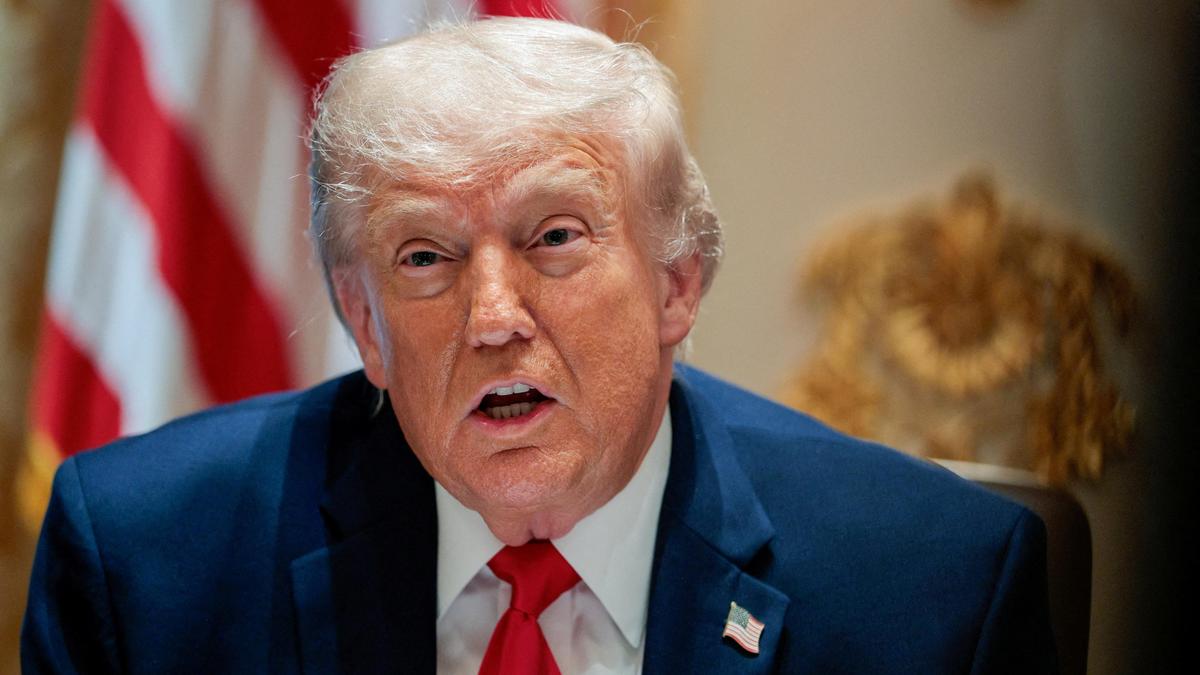
Brent crude futures lost 75 cents, or 0.79%, to $94.23 a barrel, while U.S.
Topic: energyRegion: asia pacificUpdated: i4 outletsSources: 10⚠ Bias gap — sources divergeSpectrum: Center Only⏱ 4 min read⚠ 3d+ old
Story Summary
SITUATION
Oil prices fall amid Trump’s talks with Iran Oil prices trended lower on Tuesday (June 2, 2026) following the previous session's sharp gains as the market remained cautious about progress in U.S.-Iran peace talks. President Donald Trump said on Monday (June 1, 2026) talks with Iran were ongoing, while Tasnim news agency reported earlier that Tehran had suspended indirect negotiations with Washington.
Coveragetap to expand ▾Spectrum: Center Only🌍Other: 7 · Asia: 2 · US: 1 · ME: 1
Political Spectrum
Position is inferred from coverage mix.
i4 outlets · Center
Left
Center
Right
Left: 0
Center: 10
Right: 1
Geography Coverage
Distribution of where coverage is coming from.
i4 unique outlets · Dominant: Global
KEY FACTS
- President Donald Trump said on Monday (June 1, 2026) talks with Iran were ongoing, while Tasnim news agency reported earlier that Tehran had suspended indirect negotiations with Washington.
- West Texas Intermediate fell 85 cents, or 0.92%, to $91.31 a barrel.
HISTORICAL CONTEXT
The ongoing military campaign against Iran, initiated by the United States and Israel in March 2026, has significantly escalated tensions in the region. This coordinated effort involved targeted strikes on Iranian military infrastructure, air defenses, and power plants, marking a critical phase in the long-standing conflict between Iran and these two nations.
The Iranian military has responded to these actions with its own military operations, framing them as necessary defensive measures against what they perceive as unprovoked aggression. The backdrop of this conflict is rooted in a series of complex historical events and decisions that have shaped the geopolitical landscape of the Middle East.
Brief
Oil prices experienced a notable decline on June 2, 2026, following President Donald Trump's announcement that talks with Iran were ongoing. Brent crude futures fell by 75 cents to $94.23 a barrel, while West Texas Intermediate dropped 85 cents to $91.31 a barrel.
This drop comes after both benchmarks had seen a significant rise of over 5% in the previous session, reflecting market volatility amid ongoing geopolitical tensions. The market had been buoyed by hopes of a potential peace deal, but uncertainty remains as the Tasnim news agency reported that Tehran has suspended indirect negotiations with Washington.
Trump's comments suggest a willingness to engage, but the lack of progress in talks has left traders cautious. Priyanka Sachdeva, a senior market analyst, emphasized that despite the optimism surrounding the talks, the situation has not improved for oil prices, indicating a complex interplay of geopolitical factors affecting the market.
The fluctuations in oil prices are indicative of the broader economic implications of U.S.-Iran relations, particularly as both nations navigate their positions amidst ongoing military tensions.
Where sources differ
Bias gap0.85 / 2.0
Left- and right-leaning outlets are covering this story differently — in which facts to emphasize, which context to include, and how to frame causes and consequences.
Center (10)
shafaq.comsaba.yewanaen.comindexbox.iochemanalyst.comen.mehrnews.comcnbc.comthe_hindutimes_of_indiapukmedia.com
Right-leaning (1)
jerusalem_post+0.75
Iran military sites 'completely hidden,' can sustain production, senior IRGC general boasts Iran military sites 'completely hidden,' can sustain production, senior IRGC general boa…
Sources
11 of 11 linked articles
Iran military sites 'completely hidden,' can sustain production, senior IRGC general boasts
jpost.comJun 2Right
↗
Iran asserts ‘undisclosed’ military might - Shafaq News | Latest breaking news in Iraq and the world - شفق نيوز
shafaq.comJun 2Left
↗
Brigadier General Asadi: Iran Has Not Yet Revealed Many of Its Winning Cards to Confront Enemy - وكالة سبأ
saba.yeJun 2Left
↗
Senior IRGC Commander: Iran Has Not Yet Played Its Winning Cards
wanaen.comJun 2Left
↗
Oil Prices Drop 4% After Trump’s De-escalation Pledge on Iran and Hezbollah | June 2, 2026
indexbox.ioJun 2Left
↗
Oil Prices Decline as Trump Says US-Iran Talks Remain Active
chemanalyst.comJun 2Left
↗