
But Iran's domestic consumption means supply will always be needed.
Coveragetap to expand ▾Spectrum: Center Only🌍Other: 8 · Asia: 3 · ME: 2 · US: 1
- But while some commentators believe that Iran will run out of space to store it in less than a fortnight, regime watchers warn Tehran has been preparing for this moment.
- As the United States has tightened its grip on Iranian ports through its blockade of the Strait of Hormuz, Tehran has been forced to stockpile oil that would have otherwise been exported.
- Iran has been stashing its primary export commodity in storage tanks and ships off the coast in an effort to avoid reducing the amount it is pumping out of its rich oil fields.
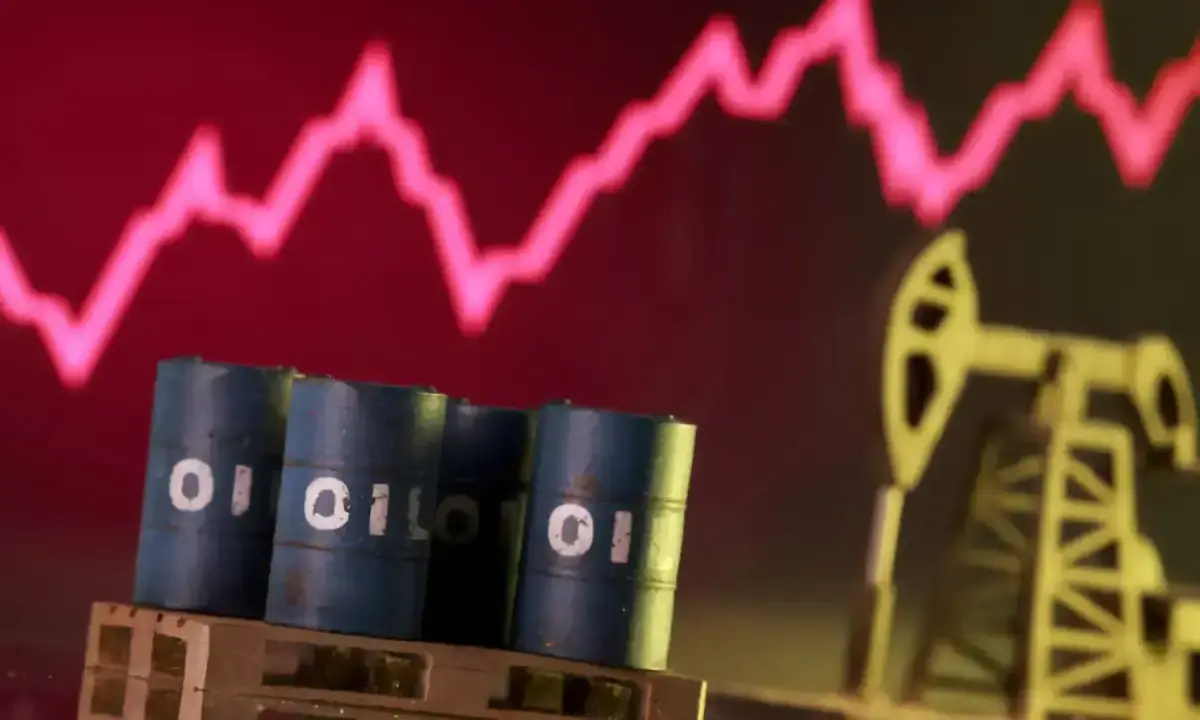
Oil prices surged significantly on May 10, 2026, following US President Donald Trump's rejection of Iran's response to a peace proposal aimed at easing tensions in the Strait of Hormuz. Trump described Iran's counterproposal as 'totally unacceptable,' a statement that has intensified fears of supply disruptions in a region critical to global oil transport.
As a result, Brent crude futures climbed by $4.16, or 4.11%, reaching $105.45 a barrel, reflecting the market's reaction to the heightened geopolitical risks. The Strait of Hormuz, a vital chokepoint for oil shipments, remains largely closed, exacerbating concerns about potential shortages.
Both the US and Iran have been engaged in a series of military actions, with Iran's counterproposal being part of ongoing discussions for a ceasefire. The rejection of this proposal not only underscores the deepening standoff but also highlights the fragility of the current situation, as the global market grapples with the implications of sustained conflict in the region.
The situation remains fluid, with analysts closely monitoring the developments as they unfold.
- Iran's ongoing stockpiling of oil, driven by U.S. sanctions and the blockade of the Strait of Hormuz, poses significant challenges for both the Iranian economy and global oil markets.
- As Tehran struggles to find storage space, domestic consumers may face rising fuel prices and shortages, impacting everyday life for millions.
- Additionally, the inability to export oil could lead to a further decline in Iran's already weakened economy, exacerbating humanitarian issues as the government grapples with limited resources to address public needs.
- Watch for Iran's announcement on oil export strategies within the next week as it seeks to adapt to ongoing U.S. sanctions.
- Monitor the U.S. Department of State's upcoming briefing scheduled for this Friday, where they may outline new measures regarding Iranian oil trade.
- Keep an eye on OPEC's next meeting in two weeks, where member countries, including Iran, will discuss production levels that could impact global oil supply.
- Anticipate statements from major Asian oil importers, such as China and India, regarding their purchasing plans for Iranian oil in the next month as they navigate U.S. sanctions.