
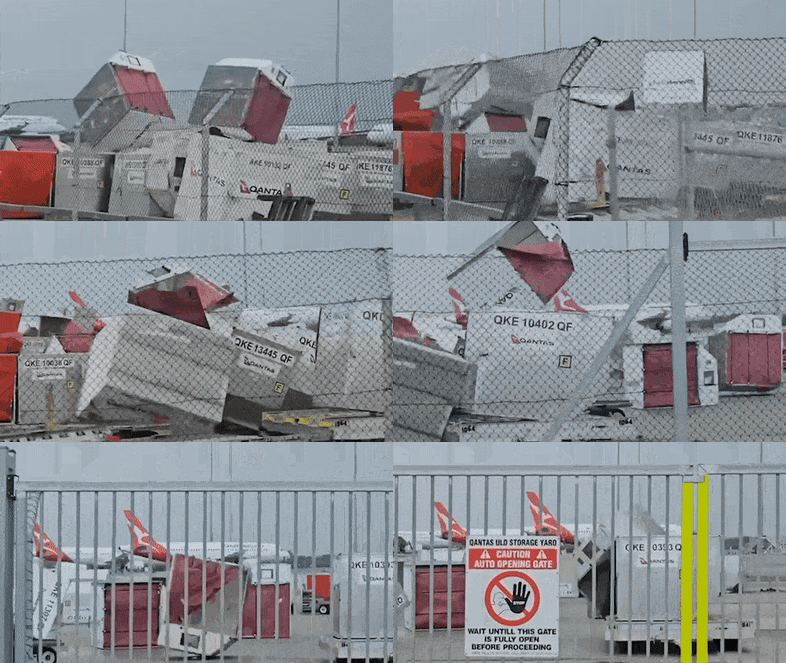
‘Once-in-five-year storm’ wreaks havoc on Perth, 70,000 remain without power
Coveragetap to expand ▾Spectrum: Left Only🌍Asia: 1
- The highest number of calls for help were in the Perth metropolitan area, followed by Peel and the South West region.
A severe storm, described as a 'once-in-every-five-year' event, has left over 69,000 homes in Perth without power following destructive winds that swept through the region. The storm generated cyclone-grade wind gusts, with Cape Leeuwin recording a peak of 135km/h, leading to widespread damage across Western Australia.
Emergency services reported that 6 percent of the state’s electricity grid was disconnected, affecting thousands of customers, particularly in the Perth metropolitan area. Residents have been advised to prepare for extended outages, with many expected to remain without power overnight.
The storm caused significant structural damage, including the loss of roofs from buildings in Cottesloe and Bunbury. As the community grapples with the aftermath, Western Power is prioritizing safety and responding to reported hazards.
The storm's intensity and the resulting outages highlight the increasing frequency of severe weather events in the region, raising concerns about infrastructure resilience and emergency preparedness.