
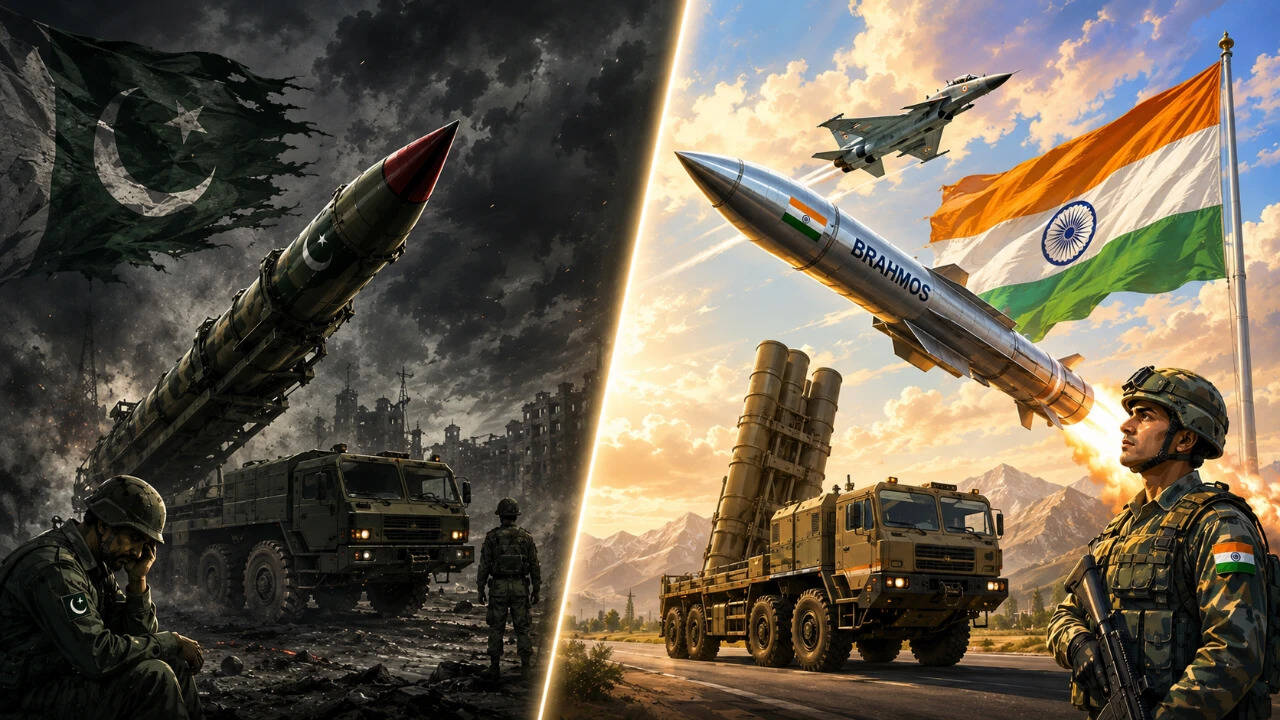
South Asia’s missile race is now about far more than just India and Pakistan.
Coveragetap to expand ▾Spectrum: Center Only🌍Other: 3 · Asia: 2
- Pakistan’s recent Fatah-3 missile test is being projected by several commentators as the country’s closest answer yet to BrahMos.
- It is increasingly about China’s growing military footprint inside Pakistan’s defence ecosystem, from fighter jets and radars to missiles and air-defence systems.
- The answer matters because missiles today are not merely weapons.
Pakistan's recent test of the Fatah-3 missile marks a significant moment in the ongoing arms race with India, particularly in the realm of precision-strike capabilities. The Fatah-3 is being touted as Pakistan's closest response to India's BrahMos missile, which has long been regarded as a game-changer in South Asia due to its speed and accuracy.
This test comes as India continues to enhance its military capabilities, prompting Islamabad to demonstrate its own advancements in missile technology. However, analysts are questioning whether the Fatah-3 represents a true leap in Pakistan's indigenous technological capabilities or if it is merely a product of Chinese military assistance.
The growing military footprint of China in Pakistan's defense ecosystem, which includes not only missiles but also fighter jets and air-defense systems, complicates the narrative of Pakistan's self-sufficiency in military technology.
As both nations continue to develop their arsenals, the implications for regional stability and security are profound, with each side seeking to assert its dominance in a volatile geopolitical landscape.
The Fatah-3 test underscores the urgency for Pakistan to keep pace with India's military advancements, reflecting a broader trend in South Asia where missile technology is increasingly central to national defense strategies.
- The escalation of missile capabilities in South Asia, particularly with Pakistan's Fatah-3 test, signifies a shift in the regional power dynamics, directly impacting military strategies and defense budgets in both India and Pakistan.
- This development not only intensifies the arms race but also raises concerns for civilians in border areas, who may face increased risks from potential conflicts.
- Furthermore, China's deepening involvement in Pakistan's military infrastructure could lead to a more aggressive posture in the region, prompting India to bolster its own defense initiatives, potentially diverting resources from critical social programs and economic development.
- Watch for India to announce its new defense procurement strategy within the next month, which may include advancements in missile technology and partnerships with international defense firms.
- Keep an eye on Pakistan's response to India's military exercises scheduled for next week, as this could influence their own defense posture and missile development plans.
- Monitor China’s upcoming defense white paper, expected to be released within the next two weeks, which may outline its stance on missile technology and regional security dynamics in South Asia.
- Anticipate a potential joint military exercise between China and Pakistan before the end of the quarter, which could signal deeper military collaboration in missile capabilities.
- Look for statements from the U.S. State Department regarding arms sales to South Asia, expected within the next 72 hours, which could impact the regional arms race.